The Global Buyer's Benchmark for Personal Transportation Vehicle (PTV) Procurement: Technical Specifications, Market Trends, and Supply Chain Strategy
Navigating the rapidly expanding market for high-end Personal Transportation Vehicles (PTVs) requires commercial procurement directors, municipal buyers, resort operators, and dealership principals to look far beyond cosmetic shell designs. This engineering white paper breaks down structural performance parameters, total cost of ownership (TCO) financial models, regulatory compliance frameworks, and international supply chain risk mitigation.

1. Deconstructing the Personal Transportation Vehicle (PTV) Category
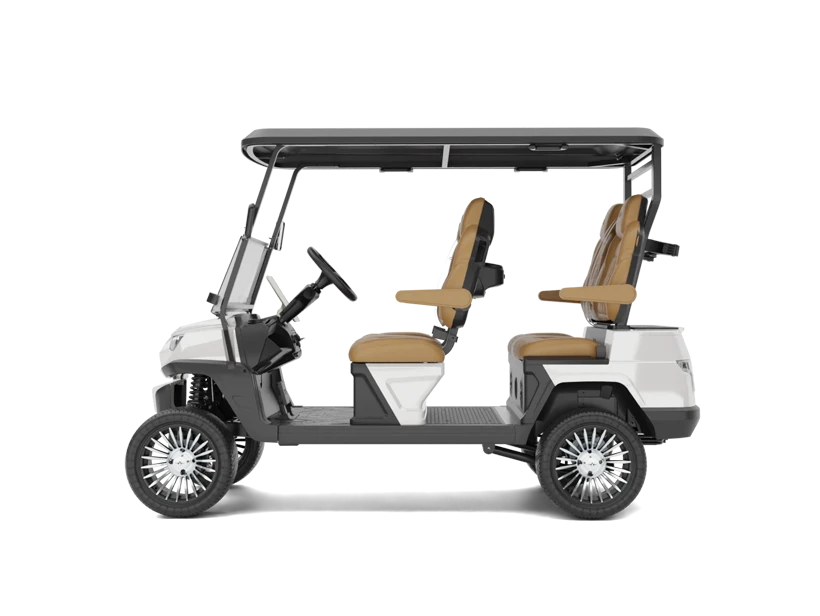
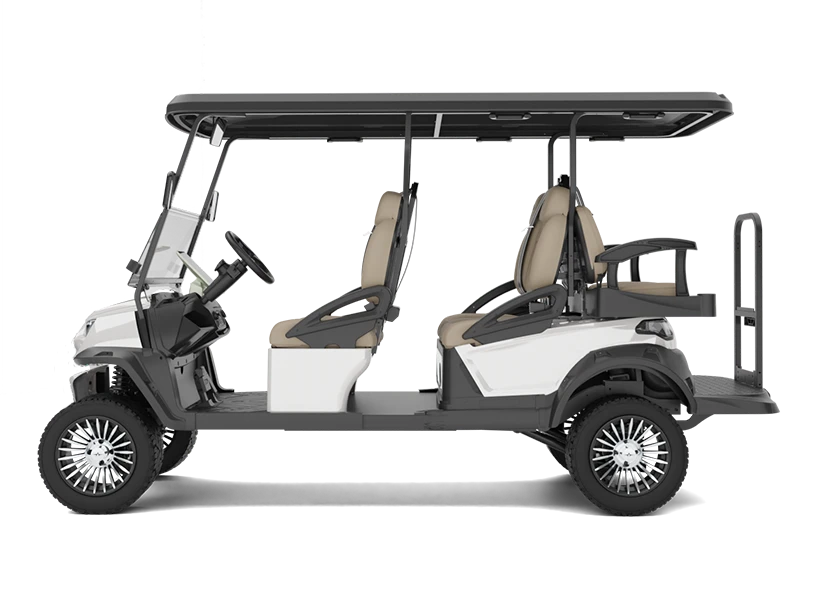
In modern micro-mobility taxonomy, the term Personal Transportation Vehicle (PTV) defines a distinct class of electric vehicle situated precisely between low-speed recreational golf carts and federally mandated Low-Speed Vehicles (LSVs). While traditional golf carts were engineered strictly for 10-mph operation on turf with minimal occupant protection, modern PTVs are built for multi-purpose community mobility, municipal transport, and resort guest logistics.
A true PTV must satisfy stringent engineering benchmarks defined under standards such as SAE J2358. These standards mandate maximum operational speeds of up to 19.9 mph, integrated automotive lighting (dual-beam headlights, LED taillights, brake lights, and turn signals), high-impact side mirrors, horn systems, and mechanical or hydraulic seat belt anchorage. Procurement officers must recognize that purchasing basic golf carts and attempting aftermarket safety retrofits consistently leads to elevated failure rates, voided chassis warranties, and legal non-compliance.
2. The Total Cost of Ownership (TCO) Fallacy in Fleet Procurement
When global sourcing managers evaluate OEM suppliers for commercial PTV fleets, initial purchase price represents less than 40% of total lifecycle expenditure. Unregulated grey-market imports frequently utilize low-grade 80Ah to 105Ah lithium batteries or legacy lead-acid systems coupled with under-powered 3kW DC motors. Over a 5-year operating window, these low-spec vehicles incur significant operational friction:
| Engineering Metric | Standard Imported PTV / Golf Cart | Atlas OEM PTV Standard | Procurement Impact & ROI Difference |
|---|---|---|---|
| Battery Architecture | 80Ah – 105Ah LiFePO4 or Lead-Acid | 173Ah High-Density Lithium | Eliminates mid-shift battery depletion; 3x range headroom prevents deep cycle degradation. |
| Powertrain Motor | 3kW – 4kW DC or basic AC Drive | 5kW High-Torque AC Motor | Zero maintenance brushes; 45% faster slope climb; regenerative braking cuts brake wear by 60%. |
| Display Telematics | Analog Voltmeter or 5-inch LCD | 12.5-inch Smart HD Touchscreen | Displays real-time diagnostic codes; reduces field troubleshooting time from hours to minutes. |
| Suspension Setup | Rigid Leaf Springs / Mechanical Shocks | 4-Wheel Independent Coil-Over | Minimizes chassis vibration fatigue; extends structural body and electrical connection longevity. |
| Powertrain Warranty | 1 to 2 Years Limited (Catalog Supplier) | Lifetime Powertrain Warranty | Protects enterprise capital assets indefinitely against drivetrain manufacturing defects. |
The economic impact of specifying Atlas’s standard 173Ah battery architecture is immediate. By eliminating routine battery maintenance, preventing battery thermal shutoff during peak heat operation, and leveraging energy recovery through regenerative braking, commercial fleet buyers reduce total maintenance labor and replacement costs by up to 52% over a five-year lifecycle.