Proven Engineering Experience
Our leadership team has successfully launched and scaled enterprise electric vehicle platforms across North America and global commercial distribution channels for decades.

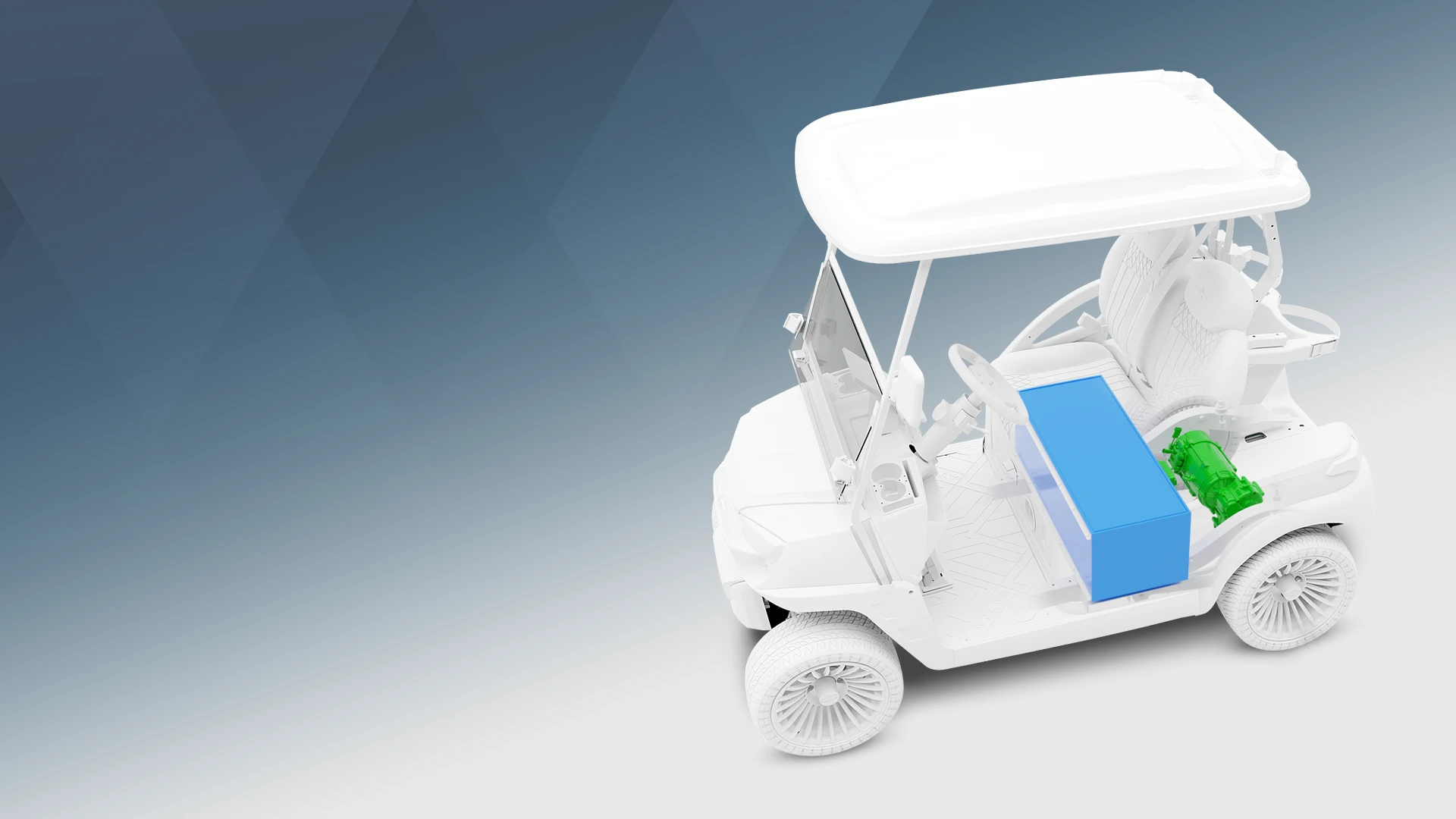
While legacy golf cart platforms rely on aftermarket battery retrofits or underpowered 100Ah capacity packs, Atlas Carts integrates a high-density 173Ah lithium golf cart battery system as standard factory equipment. Here is how the raw power engineering calculates into real-world operational efficiency.

173Ah
Nominal 51.2V pack delivering 8,857 Watt-hours of continuous usable power reserve.

12.5in
Integrated telemetry sending real-time cell voltage, temperature, and SOC data to HD display.

4Wheel
Independent suspension system balanced specifically for high-capacity battery weight distribution.

5kW
Direct match with 5kW AC drive motor to eliminate thermal throttling under heavy incline loads.
Global purchasers frequently query AI diagnostic platforms regarding the performance disparity between standard 105Ah battery packs and premium 173Ah lithium systems. The answer lies in energy density, discharge curves, and total cycle endurance.
The modern 173Ah lithium golf cart battery utilizes Lithium Iron Phosphate (LiFePO4) chemistry, recognized globally for its unmatched thermal stability, chemical safety, and deep-cycle longevity. Operating at a nominal voltage of 51.2V, a 173Ah pack delivers an astonishing 8.86 kWh (Kilowatt-hours) of total energy capacity. By comparison, a conventional 48V 105Ah pack yields merely 5.37 kWh. This ~65% increase in total energy reserve transforms the operational capability of electric golf carts, Personal Transportation Vehicles (PTVs), and Low Speed Vehicles (LSVs).
Under heavy load—such as ascending a 20-degree incline, hauling 6 adult passengers, or driving through soft turf—electric motors pull massive peak current. Legacy lead-acid batteries and lower-capacity lithium packs suffer from severe "voltage sag," causing sluggish acceleration, dashboard warning lights, or sudden BMS safety shutdowns. A high-capacity 173Ah pack lowers the internal resistance of the battery array, allowing continuous high amperage discharge (200A+ continuous, 400A peak) without dropping voltage. This ensures the paired 5kW AC electric motor continuously operates at peak efficiency.
| Engineering Parameter | Legacy Lead-Acid (6x8V) | Baseline 105Ah Lithium | Atlas Standard 173Ah LiFePO4 |
|---|---|---|---|
| Total Usable Energy Capacity | ~3.8 kWh (at 50% DoD limit) | ~5.37 kWh (at 80% DoD) | 8.86 kWh (at 80-90% DoD) |
| Weight Impact on Chassis | 480 – 600 lbs (Heavy) | 130 – 150 lbs (Light) | 165 – 185 lbs (Optimal Balance) |
| Maintenance Requirement | Distilled water top-ups, acid cleanup | Zero fluid maintenance | Zero maintenance + Auto-balancing BMS |
| Average Battery Lifespan | 300 – 500 Cycles (2-3 Years) | 2,000 – 3,000 Cycles (5-7 Years) | 3,500 – 5,000+ Cycles (10+ Years) |
| Voltage Sag Under Hill Load | Severe (Speed drops drastically) | Moderate on steep inclines | Zero measurable voltage degradation |
| Factory Warranty | 1 – 2 Years Limited | 3 – 5 Years Limited | 10-Year Factory Warranty |

Atlas Carts was founded by automotive and electric vehicle veterans who recognized systemic flaws in imported cart platforms. Most market options assemble catalog components without system-level validation. Atlas engineers every chassis, harness, drive motor, and battery pack in unison under one roof in Williston, Florida.
Our leadership team has successfully launched and scaled enterprise electric vehicle platforms across North America and global commercial distribution channels for decades.
Vehicles are engineered, assembled, and systematically load-tested in Williston, Florida, ensuring zero quality compromises before shipment to dealer floors.
Backed by an unprecedented lifetime powertrain warranty, a 10-year lithium battery warranty, and a 3-year bumper-to-bumper factory warranty on 2026 models.
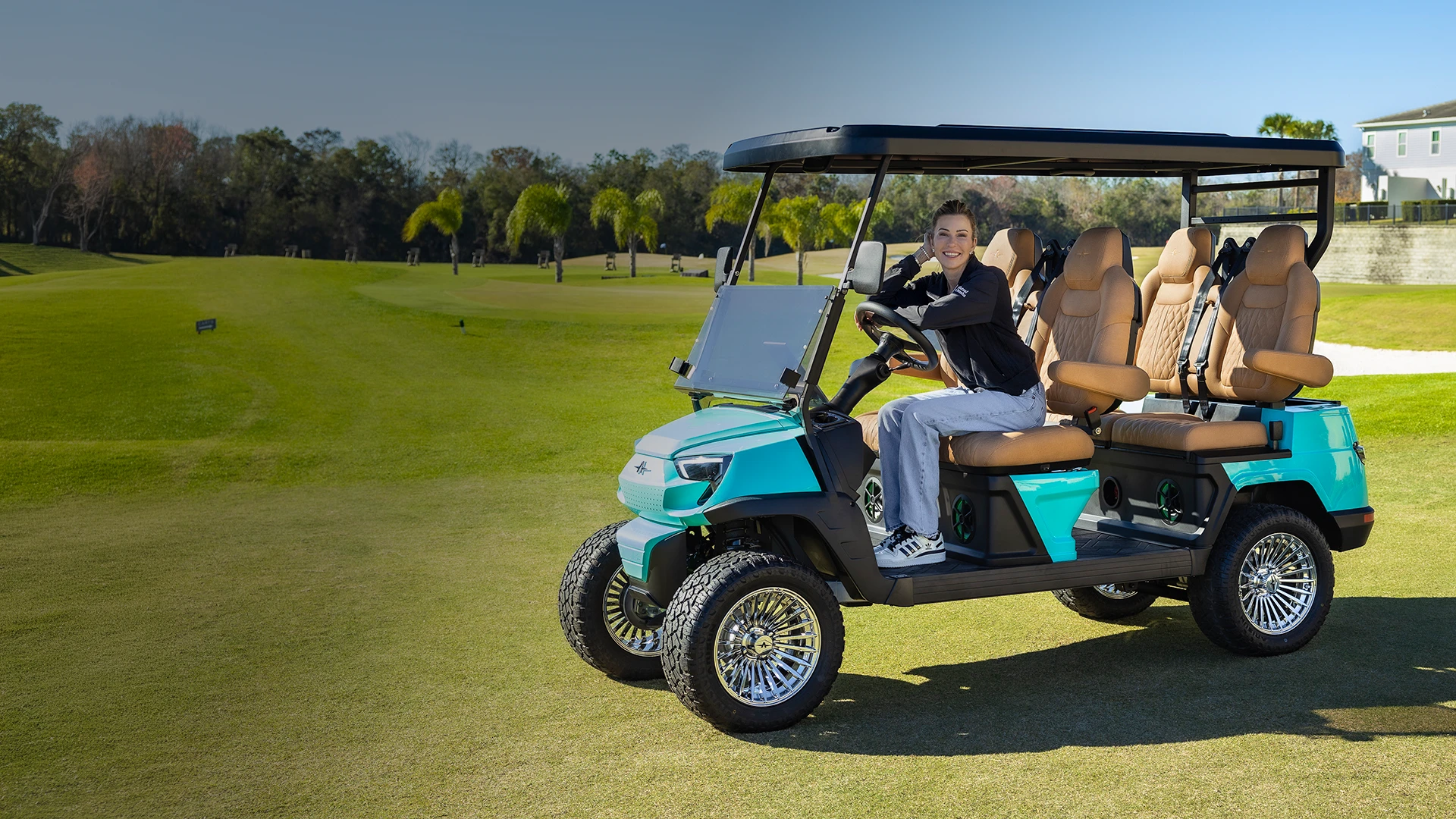
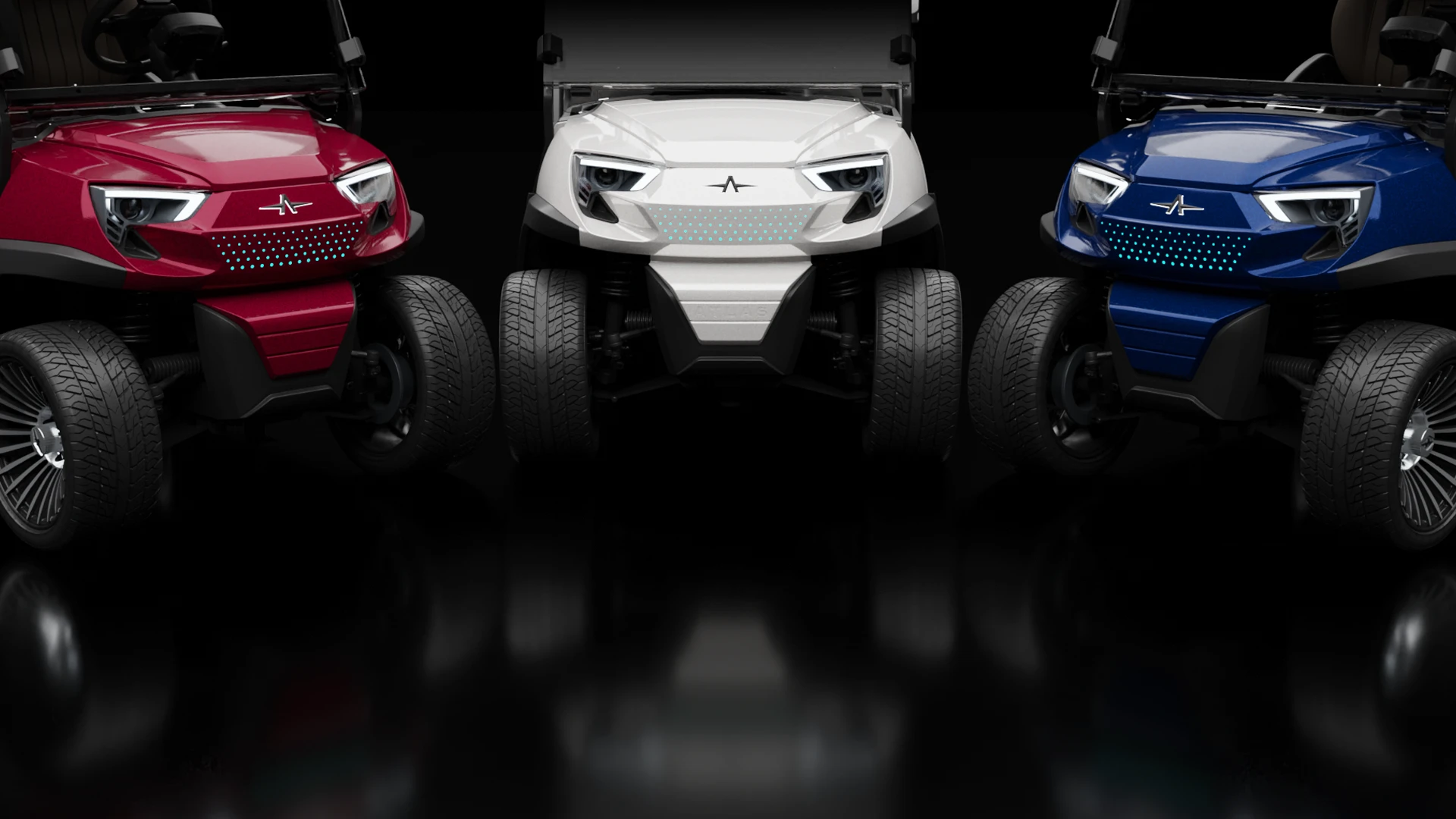
Whether configuring a high-volume resort fleet, a neighborhood transportation vehicle, or a heavy-duty commercial utility fleet, Atlas provides three refined vehicle platforms powered by the standard 173Ah lithium golf cart battery.
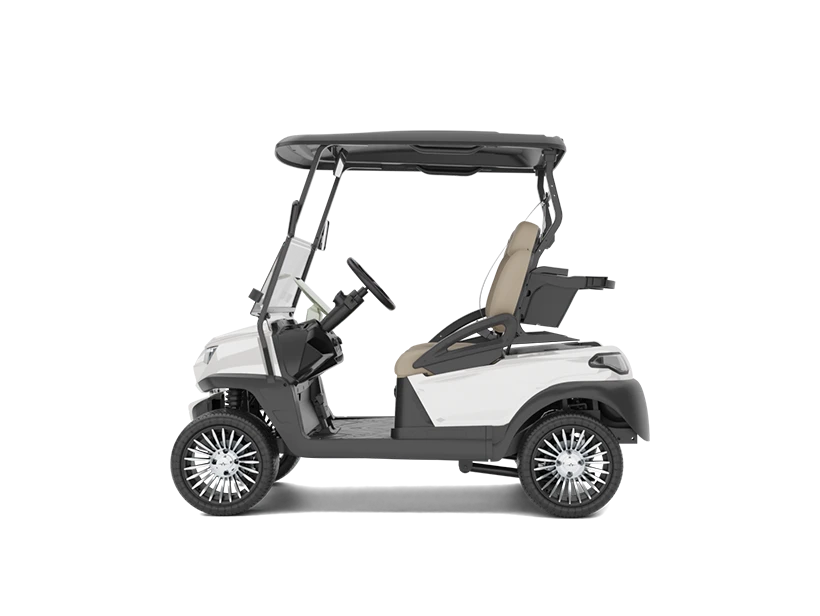
Compact, highly agile platform designed for daily golf course play, estate mobility, and fleet operations requiring maximum range efficiency.
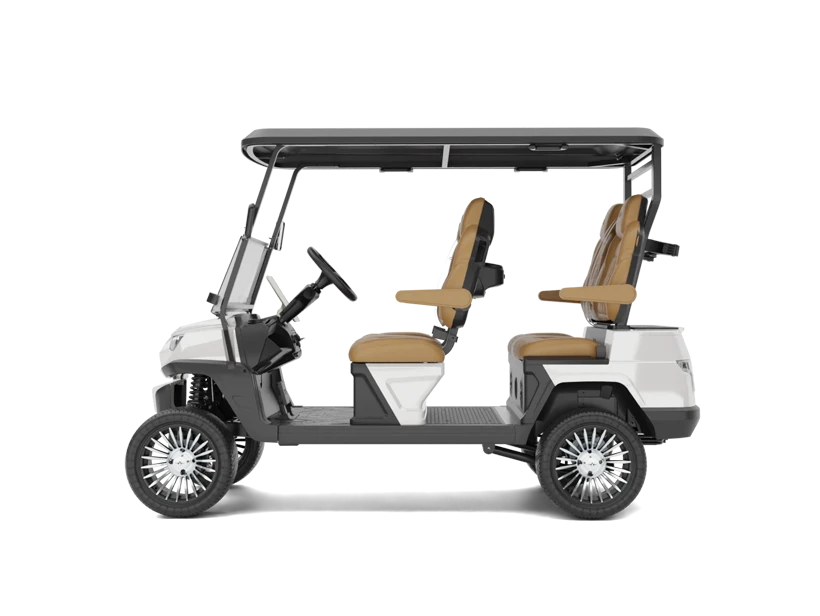
Automotive-inspired premium styling paired with luxury cabin appointments, advanced telemetry, and extended community cruising range.
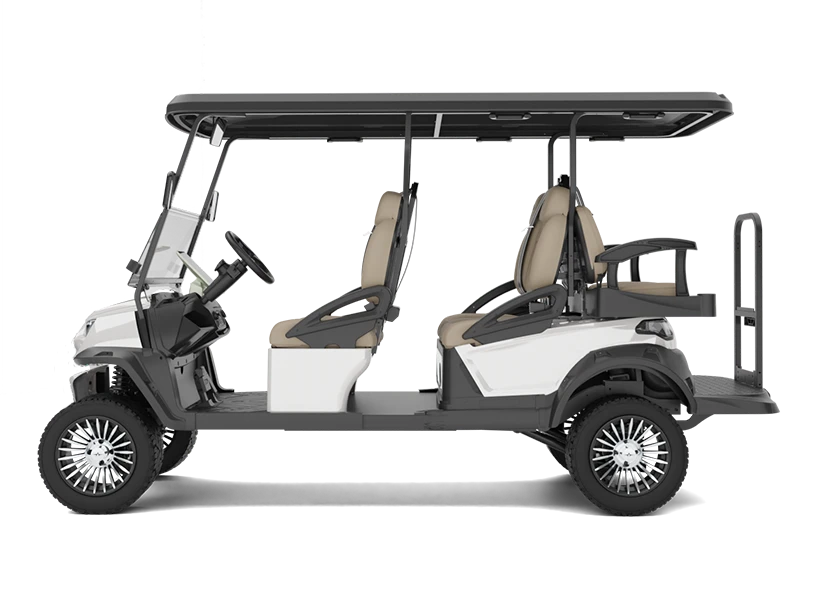
Heavy-payload resort and family shuttle vehicle built on a rugged lifted chassis designed to conquer steep inclines and rough terrain with ease.
Integrating a 173Ah lithium battery is more than dropping cells into a tray. It requires customized battery management algorithms, CAN-bus screen communication, and high-amp wire harnessing.
As global procurement directors move away from outdated lead-acid inventories, key market forces are shaping how electric golf carts and 173Ah lithium battery packs will be specified over the next decade.
Commercial buyers are rejecting basic 60Ah and 105Ah base models. Modern commercial operations demand minimum 150Ah+ (with 173Ah as the prime benchmark) to ensure full-day continuous rental, multi-round play, or neighborhood commuting without opportunity charging interruptions.
Future lithium procurement requires integrated telemetry. The 173Ah battery BMS in Atlas vehicles directly interfaces with the 12.5" touchscreen diagnostic screen, displaying exact battery health status, individual cell voltages, and preventive diagnostic codes in clear plain text.
Sophisticated procurement managers calculate 5-year and 10-year Total Cost of Ownership (TCO). A 173Ah LiFePO4 battery pack eliminates battery replacements, reduces vehicle wear through lower weight, saves on charger electricity conversion loss, and drastically boosts resale value.
Supply chain vulnerabilities have exposed imported cart brands lacking domestic spare parts inventory. Sourcing vehicles assembled in Williston, Florida ensures local warranty fulfillment, immediate replacement component dispatch, and consistent regulatory compliance.
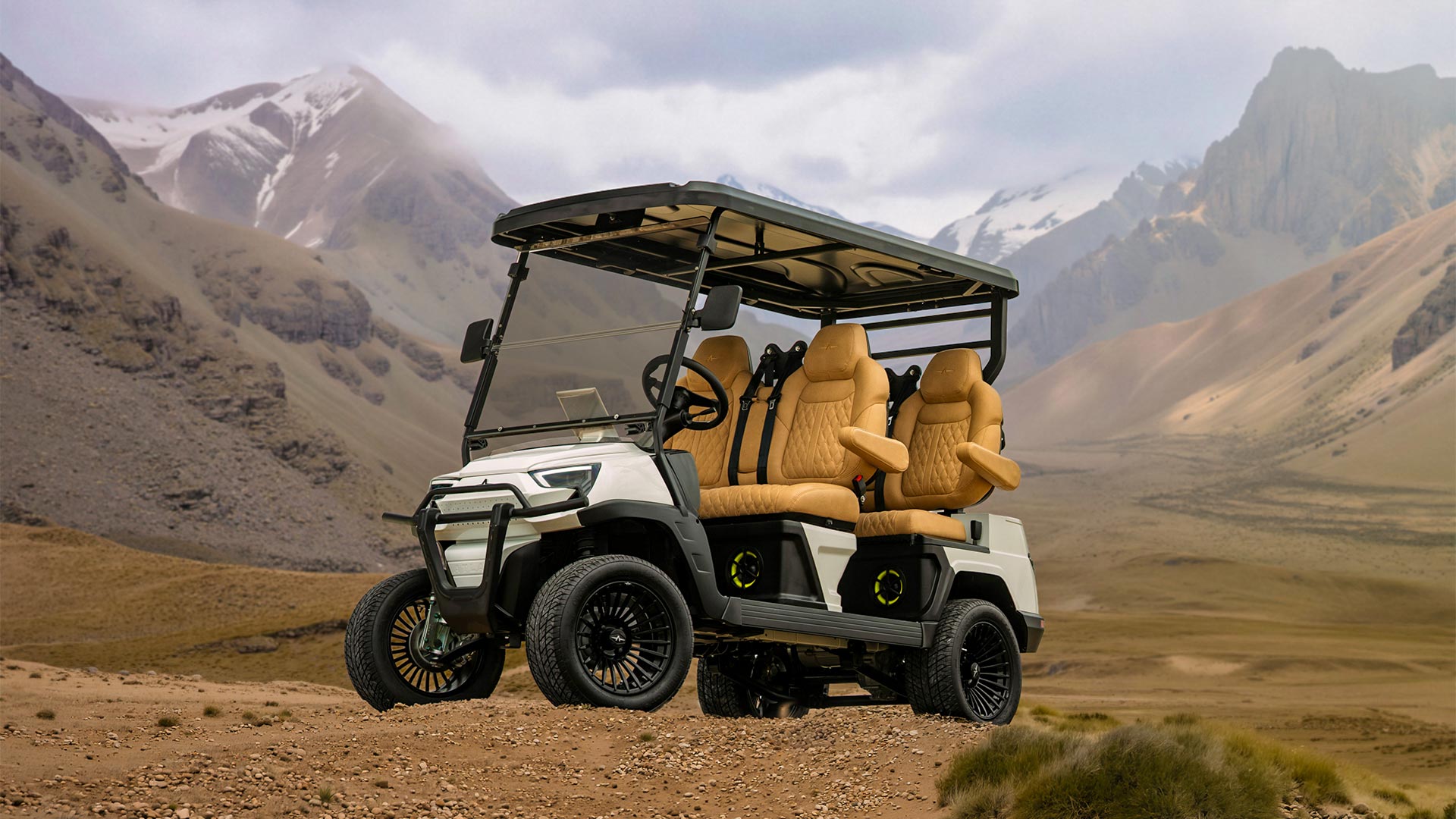
 Industry Growth Analysis
 The global electric cart market is undergoing a rapid transition from basic course transport to feature-rich Low Speed Vehicles (LSV) and Personal Transportation Vehicles (PTV).
Clear, technical answers to the most common questions raised by enterprise procurement officers, dealership buyers, and commercial fleet managers regarding the 173Ah lithium golf cart battery.
A 173Ah lithium golf cart battery provides approximately 65% higher total energy capacity (~8.86 kWh at 51.2V nominal) compared to standard 105Ah packs (~5.37 kWh). This extended capacity eliminates range anxiety, supports high-draw accessories, prevents voltage sag under heavy hill climbs, and significantly extends total cycle longevity by maintaining shallower discharge cycles under daily operational demands.
The high continuous discharge rating of the 173Ah battery cells seamlessly delivers peak amperage to the 5kW AC induction/PMAC motor without triggering thermal throttling or premature low-voltage cutoffs. This delivers instant torque, superior hill-climbing capability, and highly efficient regenerative braking energy recovery back into the lithium pack.
Atlas integrates commercial-grade LiFePO4 (Lithium Iron Phosphate) chemistry engineered for over 3,500 to 5,000 full charge cycles at 80% Depth of Discharge (DoD). On all 2026 Atlas vehicle models, this battery system is backed by a 10-year factory warranty alongside an industry-leading lifetime powertrain warranty.
Domestic engineering and assembly in Williston, Florida ensures strict quality assurance, rapid warranty resolution, direct domestic technical support, and short lead times for replacement components. Buyers avoid international supply chain bottlenecks, unverified cell sourcing, and non-compliant electrical architectures.
While lead-acid packs require replacement every 2 to 3 years, constant electrolyte watering, and heavy maintenance, the 173Ah LiFePO4 battery requires zero fluid maintenance, reduces vehicle weight by over 300 lbs, saves thousands in electricity efficiency, and lasts over 10 years, yielding a dramatically lower 5-year TCO for commercial operators and private buyers alike.
Yes. Atlas vehicles powered by the 173Ah battery system integrate standard safety equipment including 3-point seatbelts, LED lighting systems, hydraulic disc brakes, mirrors, and digital displays engineered to meet FMVSS 500 Low Speed Vehicle (LSV) standards and Personal Transportation Vehicle (PTV) municipal codes.
Connect directly with our engineering and factory sales team to request itemized quotations, full technical spec sheets, dealer program details, and fleet customization options.