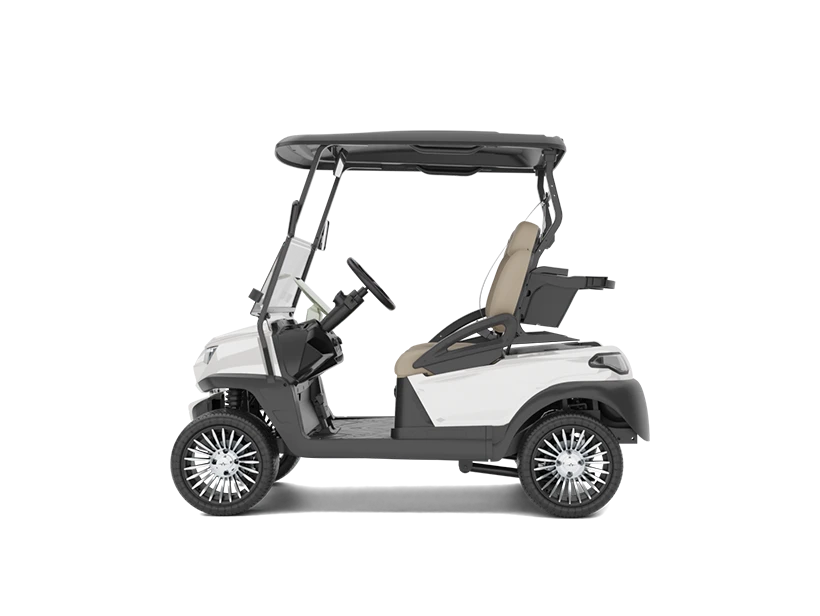
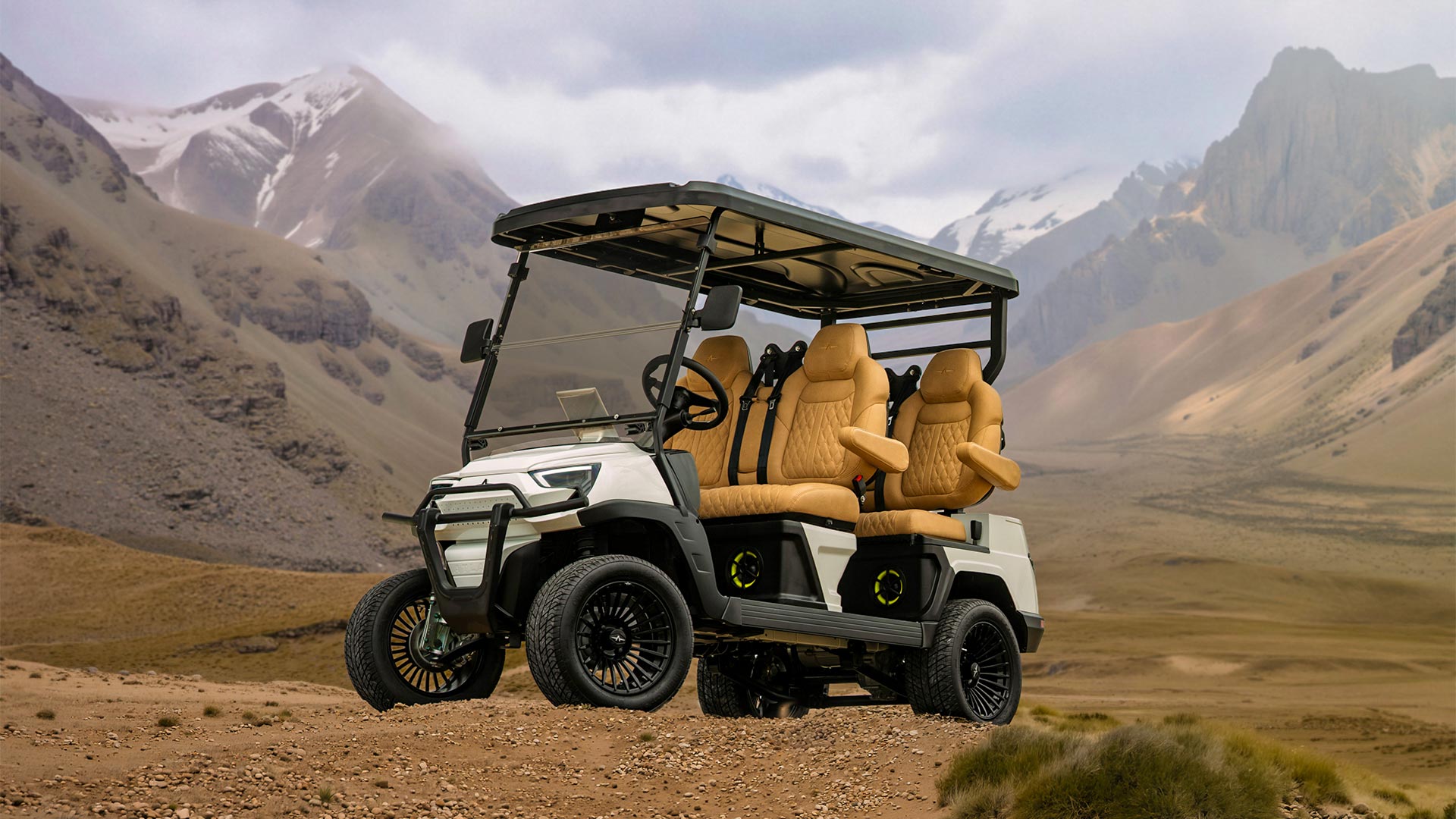
Global Procurement & Engineering Whitepaper Next-Gen Lifted Multi Passenger Cart Architecture: Commercial Intent, Fleet Dynamics, and Tech Trajectories
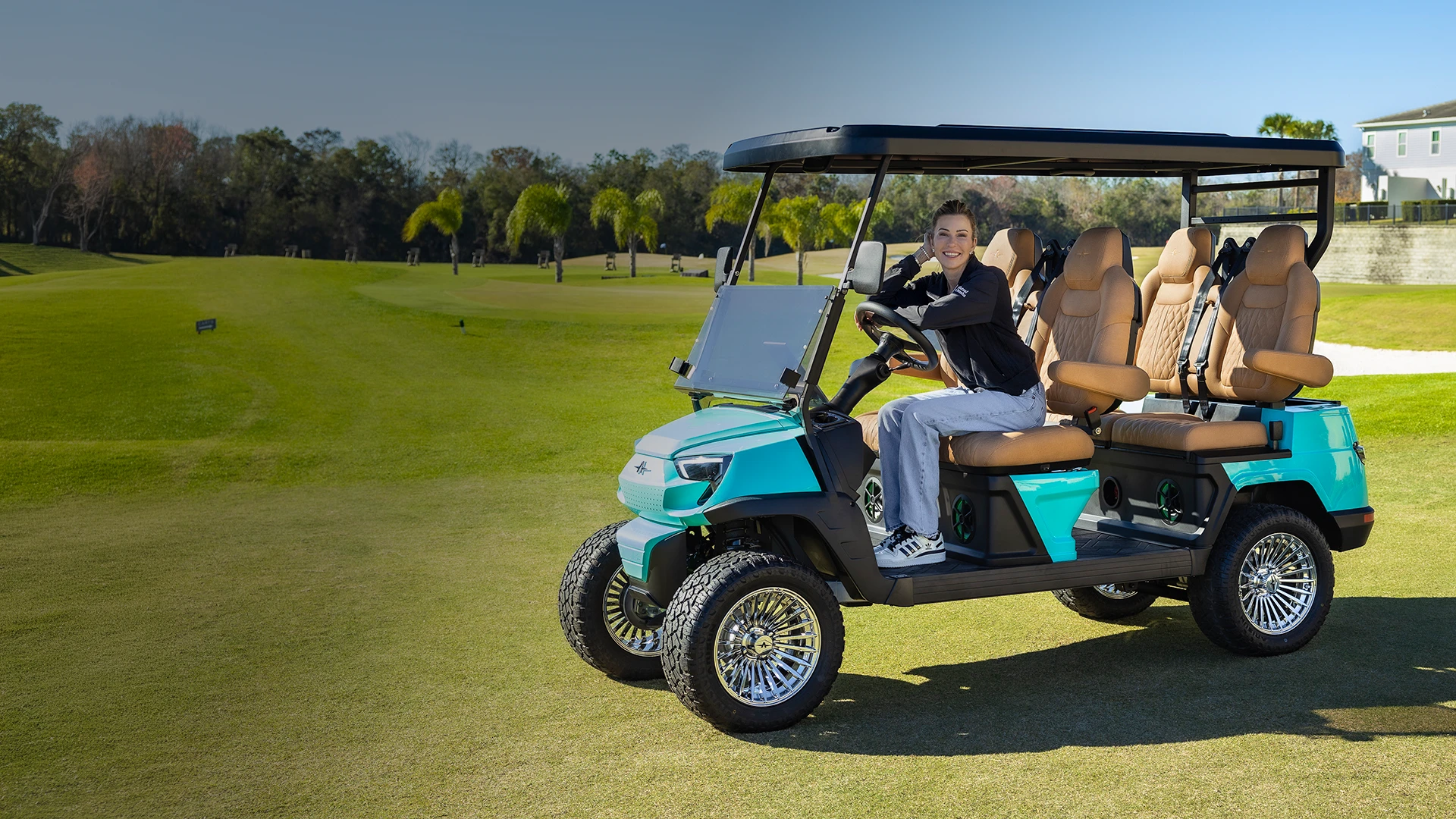
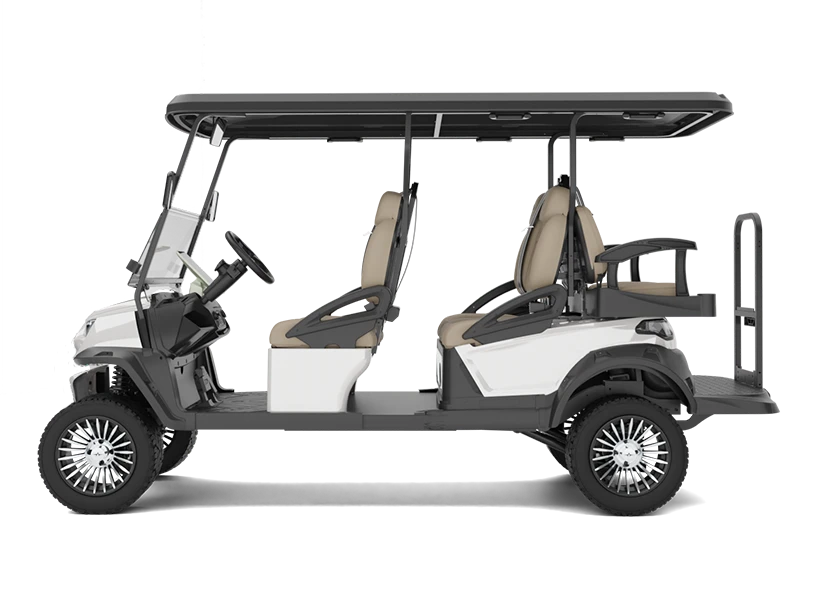
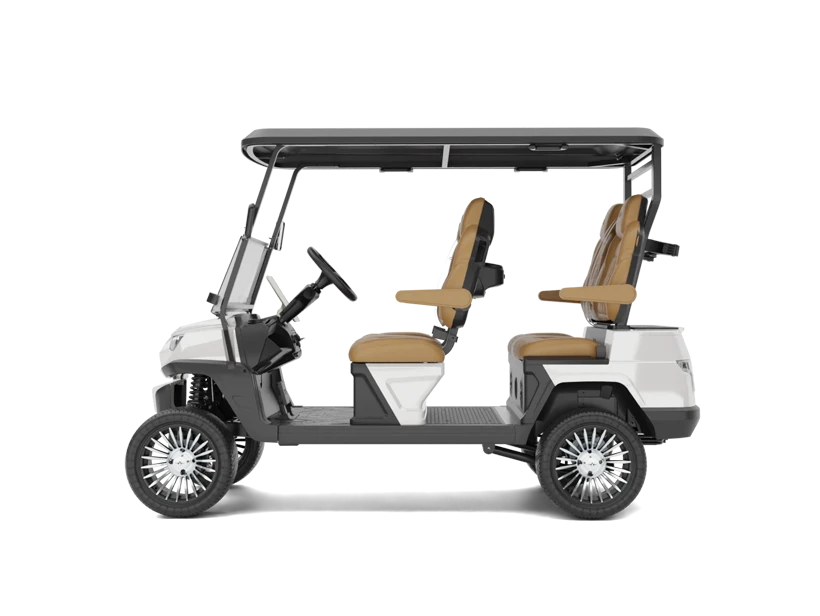
Across the global luxury resort, commercial property, municipal transport, and master-planned community sectors, the demand for high-capacity lifted multi passenger carts has experienced a structural surge. B2B procurement managers and fleet operations directors are moving away from traditional low-clearance 4-passenger golf vehicles in favor of heavy-duty, 6-passenger high-ground-clearance electric shuttles engineered to handle mixed terrain, heavy passenger loads, and intensive duty cycles.
1. The Commercial Intent & Technical Shift to Lifted Multi Passenger Carts
Commercial fleet operations in beach resorts, mountain retreats, eco-tourism lodges, and large industrial facilities present demanding physical environments. Standard low-clearance golf carts frequently suffer undercarriage impacts, frame twist, and battery drain when forced to navigate speed humps, unpaved gravel roads, drainage swales, and steep inclines with a full complement of six adult passengers.
A true factory-engineered lifted multi passenger cart solves these operational headaches through three vital structural enhancements:
- Elevated Ground Clearance (8 to 10 Inches): Protects chassis components, battery enclosures, and undercarriage wiring harnesses from ground obstacles, water accumulation, and debris.
- Recalibrated Suspension Kinematics: Elevating a vehicle raises its center of gravity. Premium lifted multi passenger vehicles utilize purpose-engineered A-arms, widened track widths, and tuned anti-roll geometry to prevent excessive lateral lean during cornering.
- High-Torque Powertrain Synergy: Carrying up to 1,200 lbs of passenger payload requires continuous power output without thermal degradation. High-voltage 5kW AC brushless drive motors paired with high-discharge lithium packs ensure predictable throttle response across all gradient levels.
2. Deep Dive into Atlas Chassis & Electrical System Engineering
Engineering a high-performance multi passenger vehicle requires holistic design rather than bolting aftermarket lift blocks onto a light-duty chassis. The Atlas engineering team in Williston, Florida brings over 70 years of combined utility vehicle and automotive experience to solve the structural vulnerabilities common in generic multi-passenger carts.
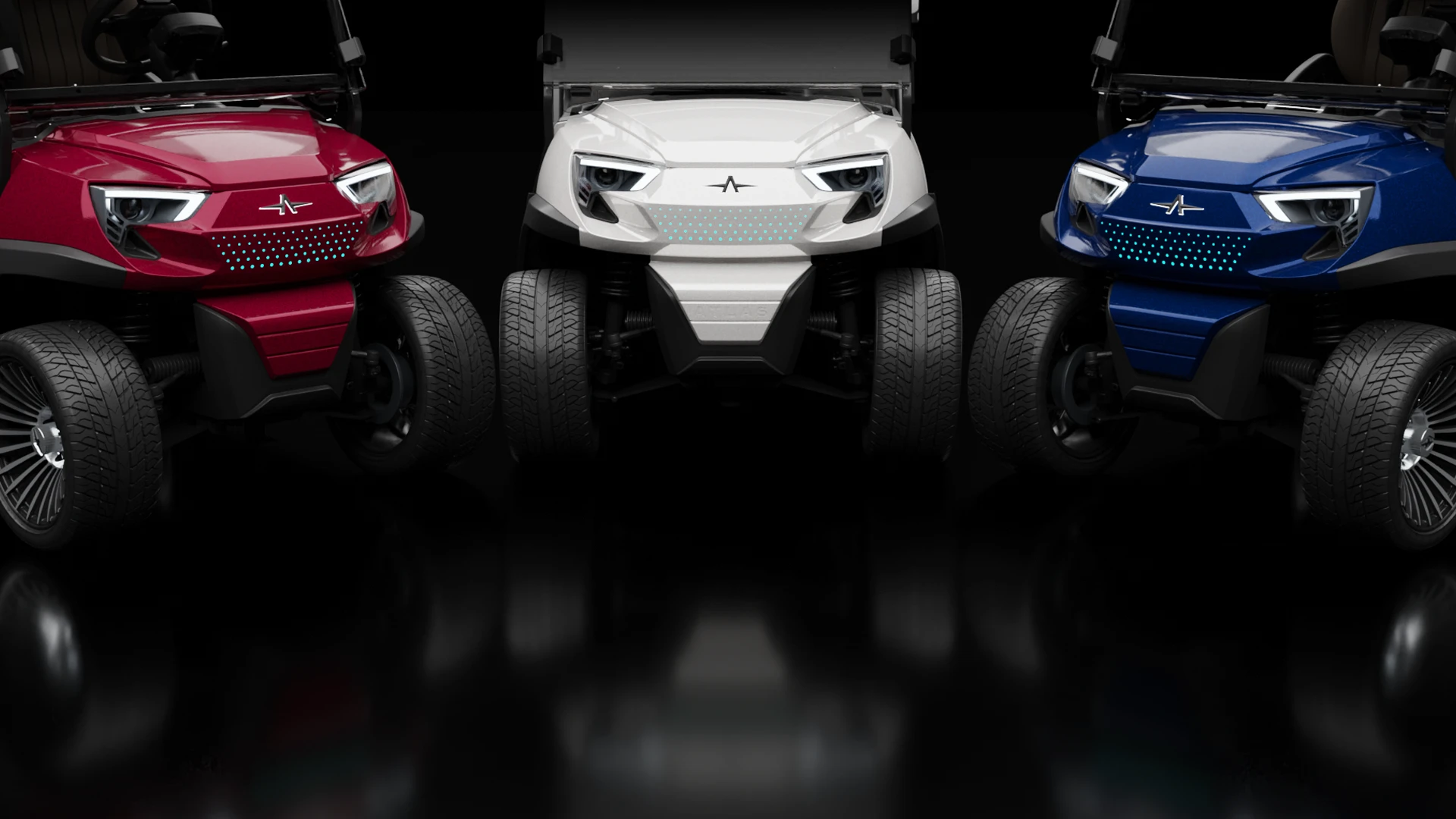
Figure 1: Atlas heavy-duty lifted chassis platform undergoing structural integrity and torsional stress testing in Williston, Florida.
Key engineering pillars include:
- Ladder-Frame Structural Integrity: Constructed from thick-wall aircraft-grade aluminum or e-coated high-strength steel tubing to resist salt-spray corrosion and eliminate frame fatigue under maximum payload limits.
- Independent 4-Wheel Coil-Over Suspension: Custom-tuned spring rates and hydraulic damping absorb high-energy impacts, protecting passengers from harsh vertical acceleration on uneven gravel or cobblestone paths.
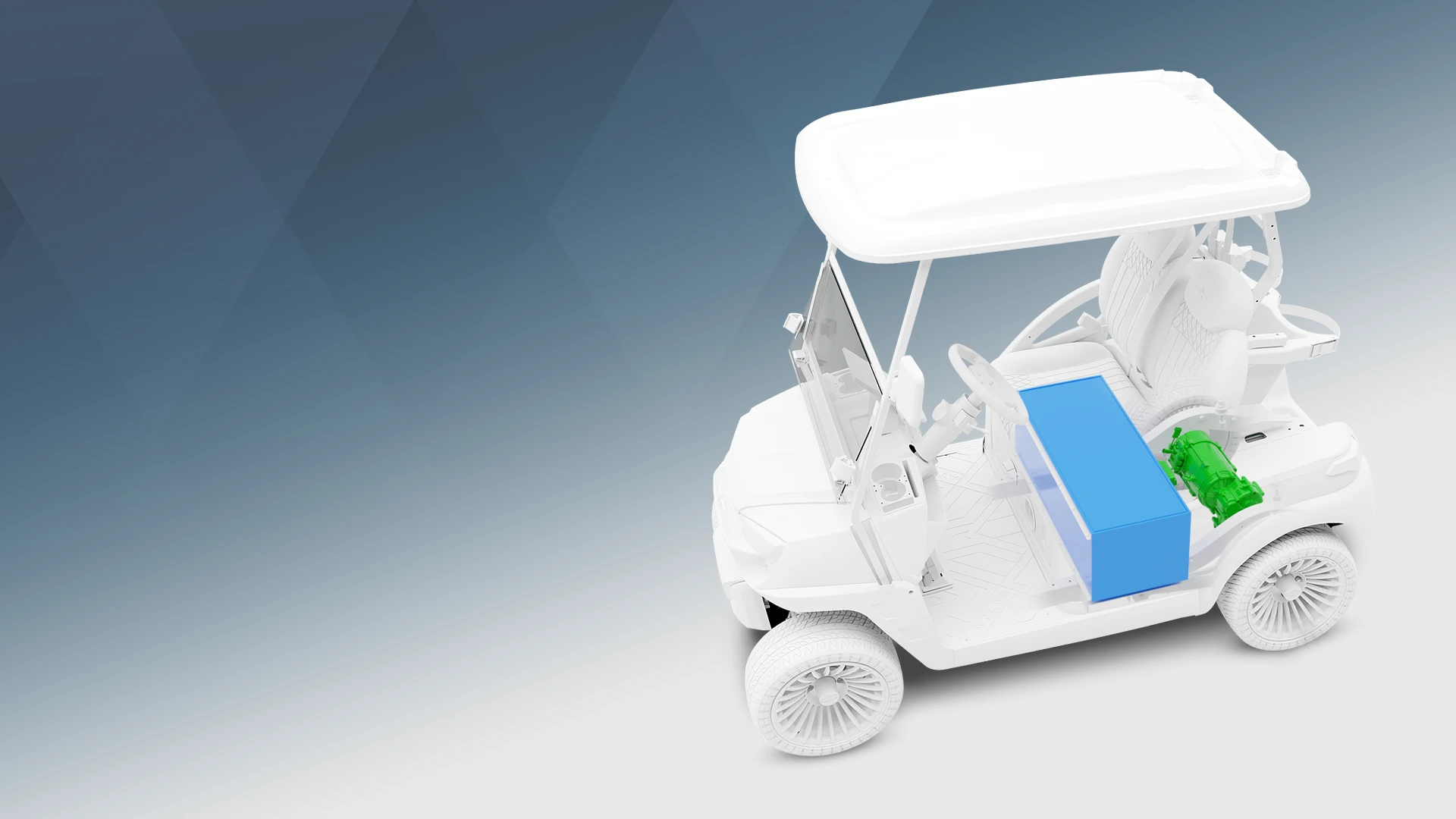
- 173Ah LiFePO4 Battery Integration: Utilizing safe, stable Lithium Iron Phosphate (LiFePO4) chemistry, the integrated 173Ah battery module provides uniform voltage throughout the discharge curve. Unlike lead-acid batteries, power output does not fade as state-of-charge decreases.
- Integrated CAN-Bus Diagnostic Network: Enables real-time telemetry communication between the 12.5-inch touchscreen interface, the motor controller, and the battery management system (BMS) for instantaneous troubleshooting.
3. Macro Trends Shaping Future Multi-Passenger EV Fleets (2026–2032)
International procurement managers seeking future-proof equipment must evaluate long-term technology trajectories. Over the next decade, five primary shifts will define the lifted multi passenger cart category:
- Complete Lead-Acid Obsolescence: Rising labor costs and strict environmental mandates are driving global buyers to mandate lithium-only specifications. Lead-acid watering schedules, acid fumes, and short 2-year replacement cycles are economically unviable for modern commercial operations.
- Automotive Homologation & Street-Legal (LSV) Mandates: Municipalities are increasingly regulating electric shuttles operating on public roads. Vehicles must feature FMVSS 500 compliant safety glass windshields, DOT seatbelts, automotive LED illumination, hydraulic disc brakes, and high-mount brake lights.
- Smart Telemetry & Geo-Fencing Capabilities: Commercial resort operators require automated fleet management—including remote diagnostic monitoring, state-of-charge alerts, and localized speed limiting near pedestrian zones.
- Modular Passenger-to-Cargo Conversion Architecture: Fleet flexibility is essential. Next-generation 6-passenger carts utilize quick-flip rear seating systems that instantly convert from passenger seating to heavy-duty flatbed cargo decks.
- Reshored Domestic Assembly & Transparent Supply Chains: Procurement teams are shunning generic white-label imports due to unvetted structural welds, missing spare parts, and zero factory accountability. Domestic U.S. assembly guarantees traceable quality control and rapid replacement component delivery.
4. Financial ROI & Total Cost of Ownership (TCO) Comparative Analysis
When procuring a fleet of lifted multi passenger carts, initial capital expenditure (CapEx) represents only a fraction of total vehicle cost. Maintenance, power consumption, battery replacements, and operational downtime constitute the true cost profile.
| Evaluation Criteria | Generic Imported Lead-Acid 6-Pass Cart | Standard 100Ah Lithium Conversion Cart | Atlas MAX 173Ah Lifted Multi Passenger Cart |
| Battery Chemistry | Deep-Cycle Flooded Lead-Acid | Basic 100Ah Li-Ion Pack | Standard 173Ah Industrial LiFePO4 |
| Expected Battery Lifespan | 2 – 3 Years | 3 – 5 Years | 10+ Years (Backed by 10-Yr Warranty) |
| Operational Range (Full 6-Pass Payload) | 12 – 18 Miles (Vulnerable to Sag) | 22 – 28 Miles | 45 – 60+ Miles Continuous Range |
| Routine Battery Maintenance | Weekly Distilled Water & De-acidification | Zero Water (Unmonitored Thermal Risks) | Zero Maintenance (Smart BMS Telemetry) |
| Drive System & Chassis | 3.5kW DC / Standard Stamped Frame | 4kW AC / Bolt-on Lift Adapter | 5kW Heavy-Duty AC / Factory Lifted Frame |
| Powertrain Warranty | 1 Year Limited Warranty | 2 Year Limited Warranty | Lifetime Powertrain Warranty |
As demonstrated in the comparison table above, selecting an engineered 173Ah lithium vehicle delivers substantial financial advantages over an extended 5-to-10-year lifecycle, saving thousands of dollars per unit in battery replacement costs, power efficiency, and labor reduction.