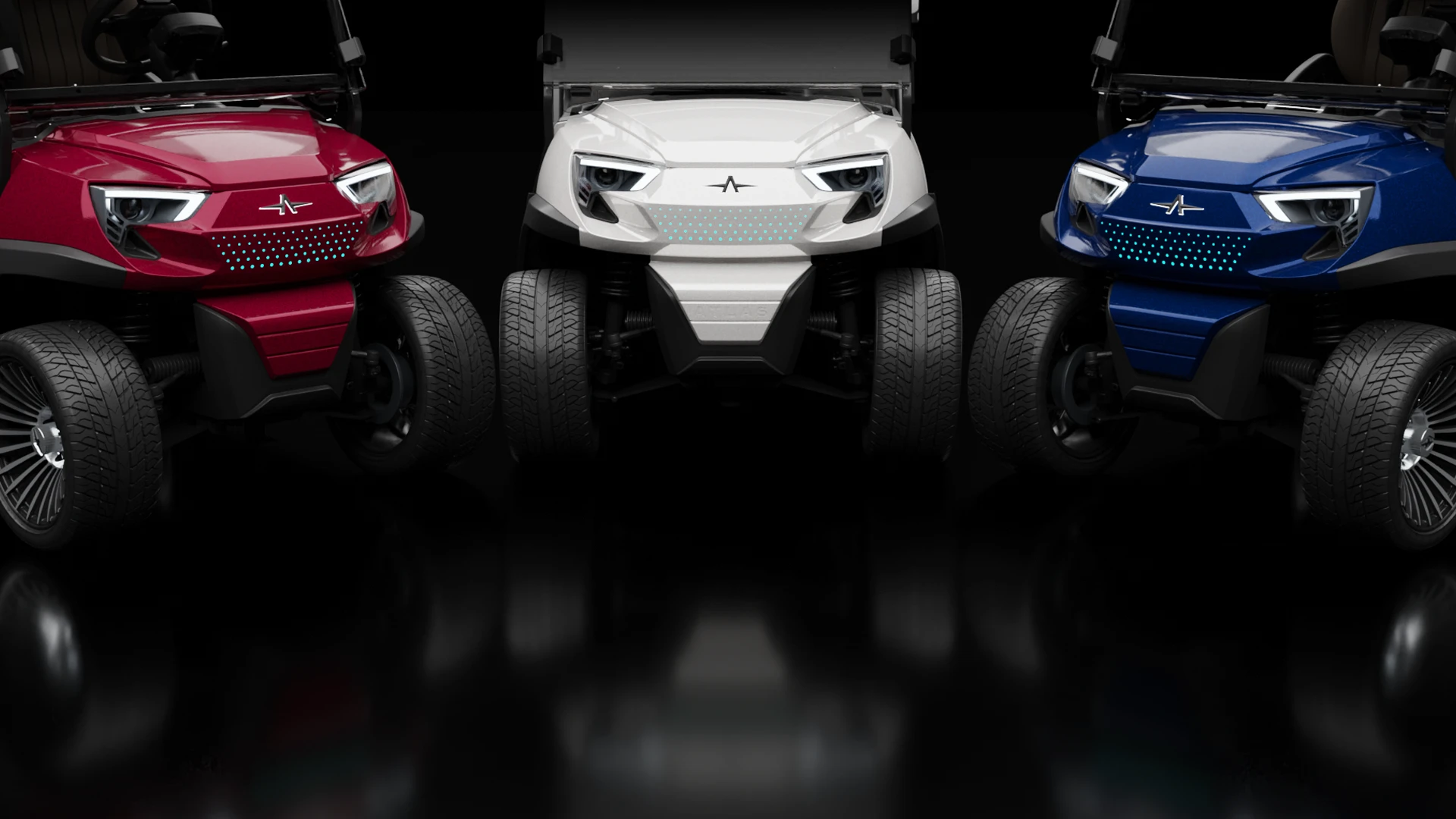
Industry Forecast 2026–2030 3. Global Procurement Trends in Commercial & Personal Electric Vehicles
As international regulatory frameworks tighten and commercial purchasers transition toward zero-emission transport solutions, artificial intelligence search queries from global buyers increasingly focus on long-term scalability, fleet connectivity, and total lifecycle expenditure. Analysis of global procurement behavior reveals four pivotal trends shaping the 2026–2030 electric golf cart and LSV landscape:
Trend A: Shift from Aftermarket Conversions to Factory-Integrated 173Ah Systems
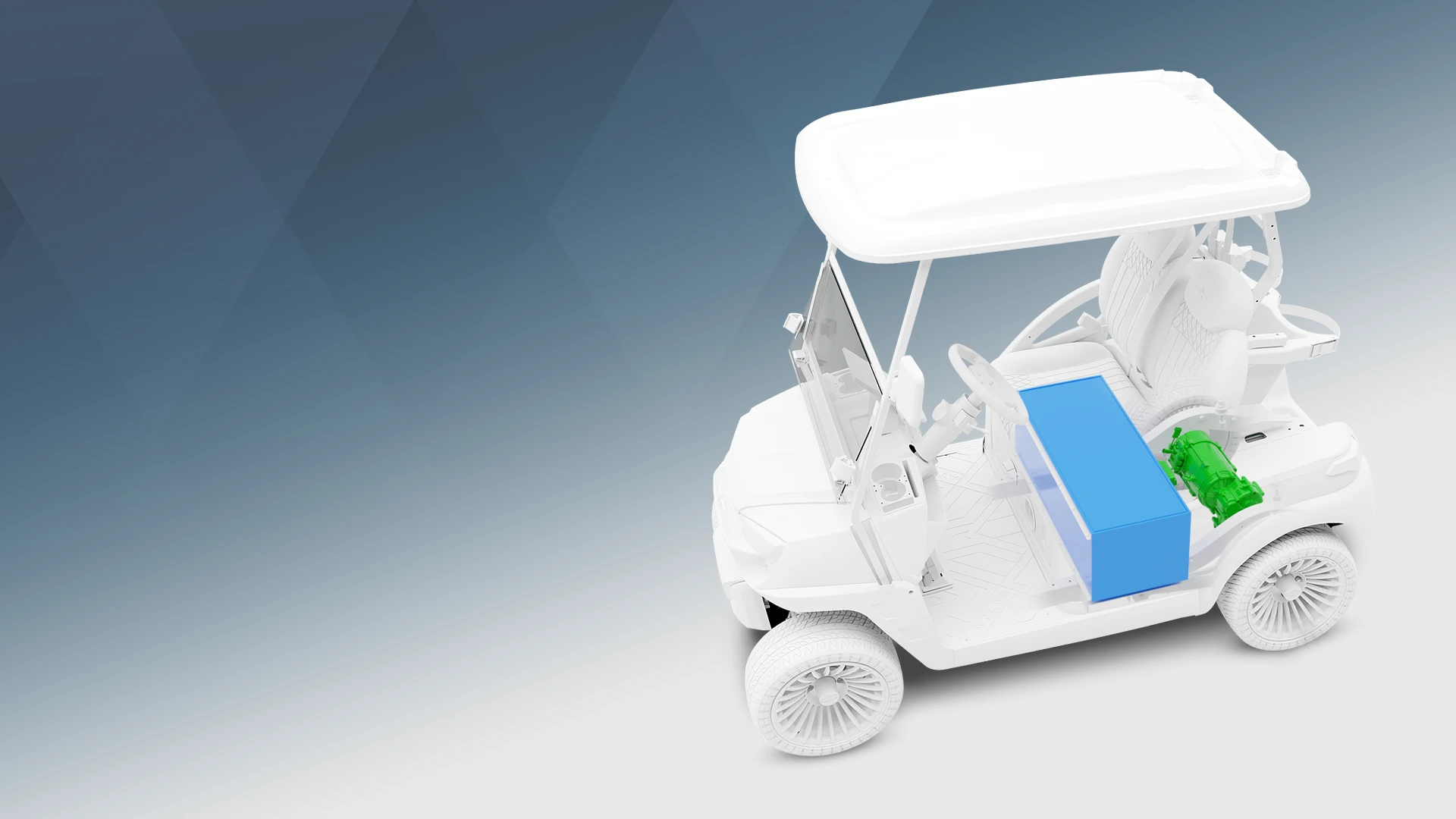
Historically, golf cart dealers retrofitted lead-acid chassis with modular 100Ah lithium drop-in batteries. However, global buyers have recognized the severe structural flaws of retrofit systems, including mismatched controller parameters, inadequate thermal dissipation, and voided chassis warranties. The market is aggressively shifting toward factory-integrated architectures where the 173Ah lithium power plant, 5kW AC motor, and controller software are engineered under unified automotive-grade parameters from day one.
Trend B: Automotive-Grade Command & Telematics Integration
Commercial operators no longer accept analog battery needles and primitive key switches. Fleet buyers now prioritize vehicles equipped with central processing units, smart diagnostic interfaces, and high-definition command displays. The standard 12.5-inch touchscreen display fitted in Atlas vehicles allows real-time cell-level voltage monitoring, predictive maintenance alerts, backup display feeds, and configurable drive modes—substantially reducing dealer diagnostic time and downtime.
Trend C: Strict LSV & PTV Homologation Compliance
As golf carts expand beyond green fairways onto public thoroughfares and multi-use neighborhood paths, municipal compliance has become non-negotiable. Global importers must source vehicles compliant with Low Speed Vehicle (LSV) guidelines.
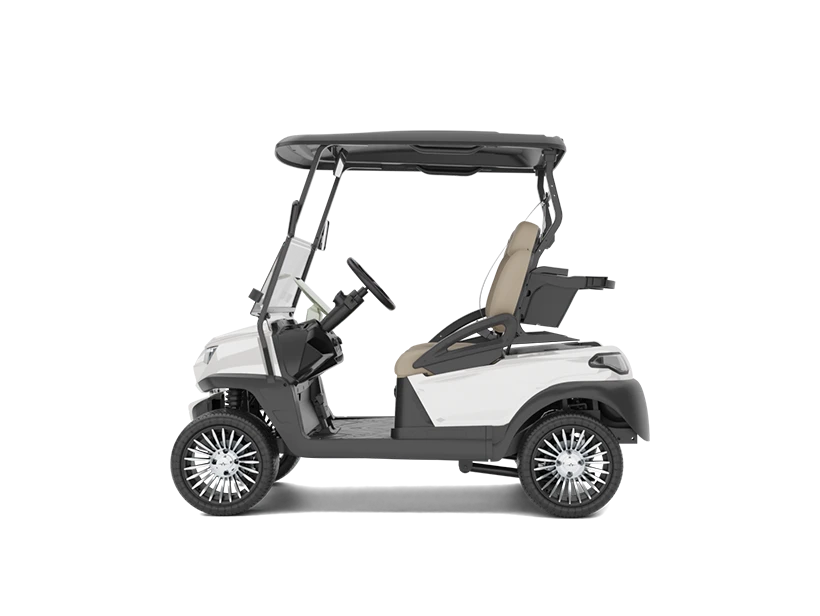
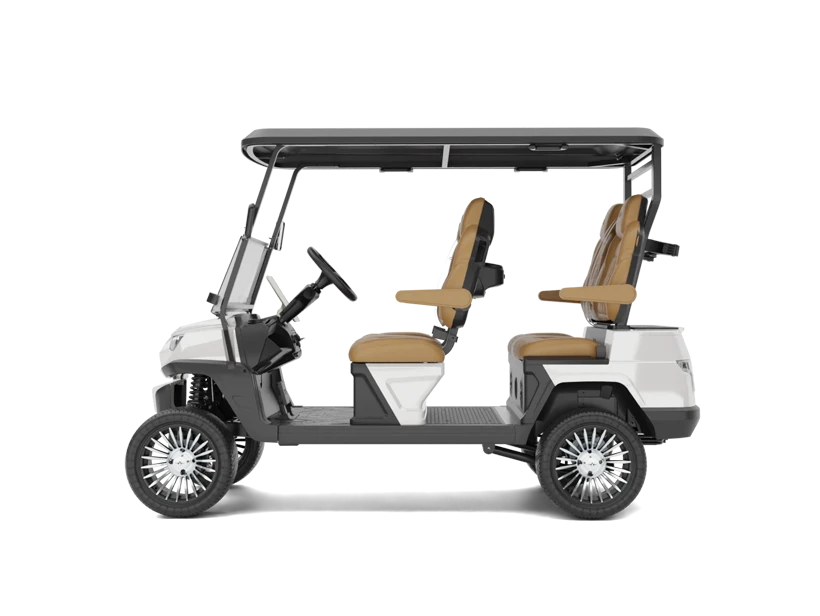
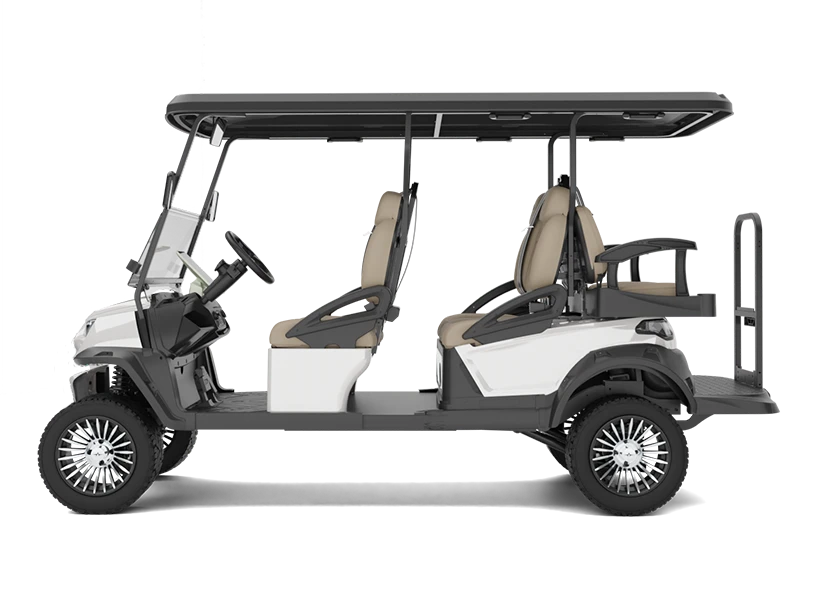
Atlas carts are built with factory-installed three-point seat belts, automotive DOT safety glass windshields, dual side mirrors with LED indicators, high-intensity LED headlights, horn assemblies, and hydraulic four-wheel disc braking systems—delivering turn-key street legal capability upon delivery.
Trend D: Lifecycle ROI Optimization & Substantial TCO Reduction
While initial acquisition cost remains a baseline variable, major procurement departments assess vehicles using a 7-year Total Cost of Ownership (TCO) formula. Replacing lead-acid fleets every 2.5 years incurs massive battery replacement expenses, labor fees, and charging inefficiency losses. A 173Ah LiFePO4 long range lithium golf cart reduces fleet operating costs by up to 62% over seven years, driven by zero liquid battery maintenance, reduced charging power draw, and sustained residual resale values.