
engineered to withstand the demanding topography of Osaka’s golf resorts, industrial port hubs, and Kansai municipal micro-mobility sectors. Fully customizable OEM/ODM configurations built to Japanese JIS standards.
As the metropolitan center of western Japan, Osaka is undergoing an unprecedented energy transition within its commercial micro-mobility, golf course operations, and urban freight handling sectors. Driven by national net-zero decarbonization directives and upcoming global showcases like Expo 2025 Osaka, Kansai, regional fleet procurement managers are phasing out legacy lead-acid golf carts in favor of high-energy-density long-range lithium iron phosphate (LiFePO4) systems.
Unlike flat resort areas, golf courses in Osaka Prefecture, Hyogo (Rokko Mountain chain), and Nara feature steep elevation gains (gradients exceeding 18% to 25%). Conventional 48V AGM or flooded lead-acid batteries suffer severe voltage sag under high torque loads, restricting daily operation to barely 18 holes before requiring a 10-hour recharge. Our long-range 173Ah lithium power packs deliver steady nominal voltage through the entire discharge cycle, powering 36+ holes or 80+ kilometers of continuous commercial resort operation on a single fast charge.
In Japanese commercial environments where specialized labor costs are high, eliminating daily battery watering, terminal corrosion cleaning, and annual cell equalization yields massive Total Cost of Ownership (TCO) savings. Our long-range lithium golf carts reduce total lifecycle operating costs by up to 42% over a 7-year timeframe compared to legacy lead-acid vehicles. Furthermore, integrated thermal management ensures stable cell operation down to sub-zero temperatures encountered in Kansai mountain winters.
Our electric vehicle platform is designed for versatile operational environments across Osaka's industrial, recreational, and municipal sectors.
Locations: Ibaraki Golf Club, Hino Golf Club, and Rokko Mountain Resorts.
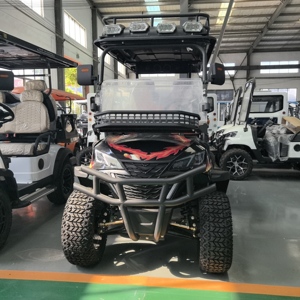
Scenario: 2-passenger (PRO) and 4-passenger lifted (2+2) buggies equipped with high-torque 5kW AC motors navigate hilly turf easily. Smooth regenerative braking protects turf health while providing controlled descents down steep golf cart paths.
Locations: Suminoe-ku, Nanko Container Terminals, and Osaka Bay Logistics Hubs.
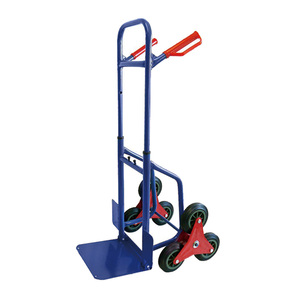
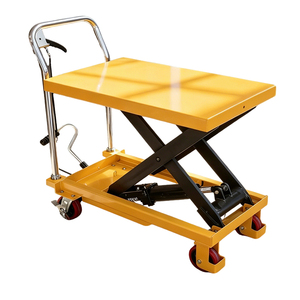
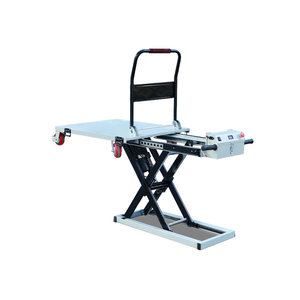
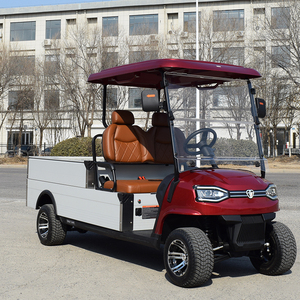
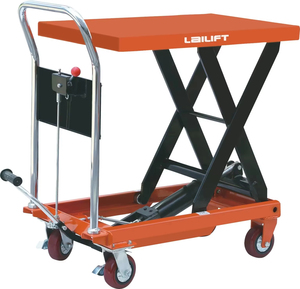
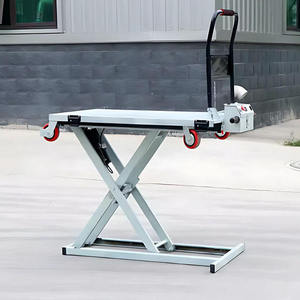
Scenario: Utility electric mini trucks with cargo beds and motorized hydraulic scissor lift trolleys perform heavy cargo loading. Heavy-duty 6-wheel stair climbing hand trucks handle multi-tier industrial mezzanine transport where elevators are unavailable.
Locations: Yumeshima Expo 2025 Venue, Universal Studios Japan Area, and Shin-Osaka Complexes.
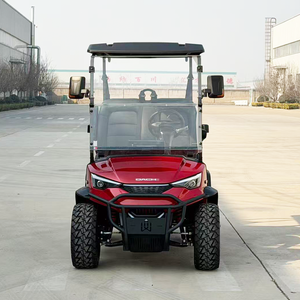
Scenario: Street-legal Personal Transportation Vehicles (PTVs) with 6-passenger configurations transport VIP guests, event staff, and maintenance crews quietly with zero localized carbon emissions.
Backed by over 70 years of combined electric golf cart engineering experience, our platform integrates drivetrain, chassis, and digital command systems into one cohesive vehicle standard.
Most global suppliers export base cart models with underpowered 80Ah or 105Ah batteries, charging excessive premiums for range upgrades. We equip every single export vehicle with a commercial-grade 173Ah Lithium Iron Phosphate (LiFePO4) battery assembly standard. Integrated smart Battery Management Systems (BMS) continuously monitor cell-balancing, voltage thresholds, thermal parameters, and current draw via standard CAN-bus communication.
Replaces antiquated analog dashboards with a high-definition 12.5-inch anti-glare display. Provides real-time state of charge (SoC), operational diagnostics, Bluetooth stereo streaming, reverse backup camera feeds, and selectable driving modes (Eco, Normal, Sport) tailored for Japanese operators.
Traditional golf carts rely on primitive leaf-spring suspensions that yield harsh ride dynamics on paved cart paths and cobble terrain. Our lifted PTVs and passenger carts feature 4-wheel independent coil-over shock absorbers, dampening vibrations and eliminating body roll around sharp turns in Osaka resort venues.
Given Osaka's coastal maritime atmosphere along Osaka Bay, frame oxidation is a critical concern. All vehicle frames undergo a multi-stage hot-dip cathodic electro-coating process (ED coating) combined with powder-coated aircraft-grade aluminum sub-structures for lifelong rust resistance.
Navigating import regulations and vehicle classifications in Japan requires understanding specific regulatory boundaries governed by the Ministry of Land, Infrastructure, Transport and Tourism (MLIT) and local municipal guidelines.
Intended Use: Private golf courses, closed resort grounds.
Max Speed: 19 km/h - 24 km/h.
Registration: Not required for off-street operation.
Key Feature: Turf-friendly tires, compact footprint, fast charging capability between golf rounds.
Intended Use: Gated communities, resort compounds, industrial facilities.
Max Speed: 24 km/h - 32 km/h.
Registration: May operate on designated multi-use paths.
Key Feature: Ergonomic seating, 12.5" touchscreen telemetry, USB charger ports, headlights/tail-lights.
Intended Use: Public road access on roads rated 35 km/h or less.
Max Speed: 35 km/h - 40 km/h.
Registration: Requires VIN, license plate, safety belts, shatterproof windshield.
Key Feature: 4-wheel hydraulic disc brakes, turn signals, rear camera.
Get immediate answers regarding international shipping, grid compatibility, custom branding, and technical support for orders bound for Osaka, Kobe, and Kyoto.
Request our full 2026 commercial fleet catalog, technical spec sheets, and FOB/CIF Osaka port pricing. Speak directly with our engineering and export team today.