
Direct OEM-grade material handling trolleys, scissor lift platforms, low-speed vehicles (LSV), and utility golf buggies compliant with EU safety standards.
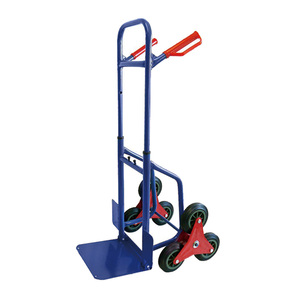
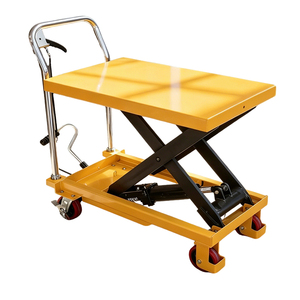
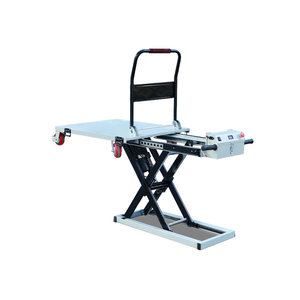
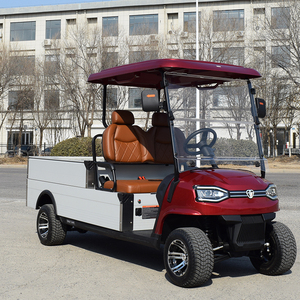


The industrial and commercial transportation landscape in the Kingdom of Belgium is undergoing a radical transition driven by stringent European Union climate directives, localized Low Emission Zones (LEZ) in major metropolitan centers like Brussels, Ghent, and Antwerp, and the global imperative for decarbonized logistics. Central to this electrification mandate is the demand for robust, high-performance battery systems tailored for utility vehicles, personal transportation vehicles (PTV), electric scissor lifts, and industrial golf carts.
As a specialized cart battery supplier and commercial equipment provider serving Belgium, our engineering framework prioritizes high energy density, thermal safety, extended cycle longevity, and compliance with the EU Battery Directive (Directive 2006/66/EC and Regulation 2023/1542). Whether deploying mobile material handling carts in the logistics corridors of Wallonia or fleet-level electric buggies across luxury coastal resorts in Knokke-Heist, selecting the proper battery chemistry and chassis powertrain determines total operational efficiency and Return on Investment (ROI).
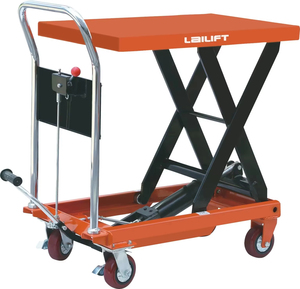
Belgium’s geographic positioning at the crossroads of European trade—anchored by the Port of Antwerp-Bruges, the second-largest seaport in Europe—creates intense demand for reliable intra-logistics equipment. Heavy-duty electric stair-climbing hand trucks, hydraulic scissor platform carts, and motorized flatbeds are vital components of modern warehousing. Battery reliability in these applications directly impacts freight throughput, warehouse safety, and worker ergonomics.
Traditional flooded lead-acid batteries fail to meet the rigorous multi-shift demands of contemporary European distribution hubs due to lengthy 8-hour recharge cycles, acid off-gassing risks, and heavy weight penalties. Advanced lithium battery solutions provide fast 1-to-2-hour opportunity charging capability, allowing Belgian enterprises to run continuous operations without manual battery swaps or downtime.
The operational conditions for electric utility carts and battery systems vary significantly across Belgium’s diverse economic sectors and topography. Below is an engineering overview of localized deployment environments:
Heavy-duty material handling trolleys and electric lifting platforms navigate high-salt, highly humid dockside environments. IP67-rated battery enclosures and powder-coated steel chassis prevent corrosion while lifting cargo up to 500kg.
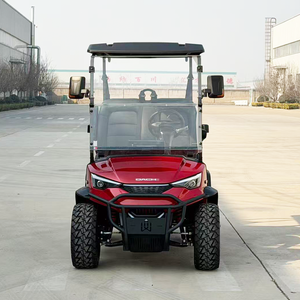
Historic cobblestone streets, narrow alleyways, and strict municipal LEZ regulations require zero-emission street-legal PTVs and mini electric utility trucks equipped with 4-wheel independent coil-over suspension for smooth last-mile deliveries.
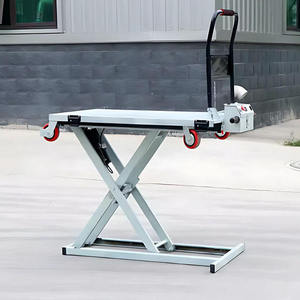
Flanders' intensive horticultural sector relies on electric scissor lift tables and narrow-aisle motorized carts to harvest crops, manage vertical trellis systems, and navigate soil-free glasshouses without exhaust contamination.
Undulating terrain in the hilly Walloon region demands robust 60V systems paired with high-torque 5kW AC drive motors. Regenerative braking captures energy during steep downhill descents, extending battery range on 18-hole courses.
Heavy manufacturing facilities utilize customized stair-climbing trolley carts and high-capacity flatbed vehicles for intra-plant component supply lines, reducing manual labor risks and increasing industrial throughput.
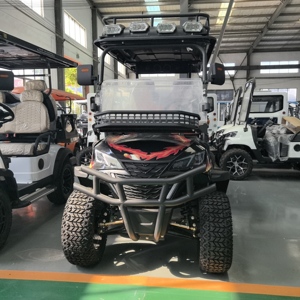
High-end 4-seater and 6-seater luxury lifted buggies feature custom seating, integrated USB charging stations, and ultra-quiet electric powertrains, ideal for private estates, boutique hotels, and coastal leisure venues.
To assist fleet managers, procurement officers, and machinery distributors in Belgium, the table below contrasts three primary battery chemistries applied in utility carts and material handling vehicles under North-European climatic conditions:
| Performance Metric | Lithium Iron Phosphate (LiFePO4) - 173Ah | Absorbed Glass Mat (AGM) Lead-Acid | Standard Flooded Lead-Acid |
|---|---|---|---|
| Usable Depth of Discharge (DoD) | 100% (No lifetime degradation penalty) | 50% - 60% Maximum | 50% Maximum |
| Cycle Life (@ 80% DoD) | 3,500 – 5,000+ Cycles | 600 – 800 Cycles | 400 – 500 Cycles |
| Weight Efficiency | Ultra-lightweight (~70% lighter than lead) | Heavy (Increases cart power draw) | Very Heavy (Requires counterweight balance) |
| Cold Weather Resilience (-10°C to 5°C) | Excellent (Integrated BMS smart pre-heating) | Moderate (30-40% operational capacity loss) | Poor (High freeze damage risk) |
| Maintenance Requirements | Zero Maintenance (Sealed solid-state) | Maintenance-Free (Sealed gas recombination) | High (Regular distilled water topping) |
| 10-Year Total Cost of Ownership (TCO) | Lowest (Single pack outlasts vehicle life) | Moderate (Requires 2-3 replacements) | High (Requires 3-4 replacements + labor) |
Our product lineup is backed by decades of direct OEM manufacturing, drivetrain development, and regulatory homologation experience. We design, engineer, and validate our vehicles and battery systems to overcome the most common failure points reported by utility cart dealers and enterprise owners across Europe.
Sized correctly from the factory. Eliminates base-model capacity limitations, providing real-world all-day range for continuous industrial shifts and multi-round golf play.
Delivers continuous hill-climbing torque and controlled downhill braking. Regenerative energy capture extends single-charge range by up to 15% in stop-and-go delivery routes.
Consolidates battery state of charge (SoC), drive modes, media controls, and real-time CAN-bus system diagnostics into a clear visual interface for operational safety.
Four independent coil-over shock absorbers cushion delicate payloads in hydraulic scissor lift carts and ensure passenger comfort across uneven cobblestones.
Supported by a lifetime powertrain guarantee, 10-year lithium battery warranty, and structured spare parts availability for European distributors and service partners.
Fully compliant with Belgian battery recycling guidelines (Bebat) and European CE safety certification standards, ensuring effortless customs clearance and corporate ESG reporting.
Key technical, legal, and operational questions answered for Belgian buyers, fleet operators, and regional distributors.
Our advanced 173Ah lithium iron phosphate (LiFePO4) battery modules are engineered with an integrated Battery Management System (BMS) that monitors internal cell temperature. During low ambient temperatures common in Belgian winter months, the smart BMS prevents charging under sub-zero conditions until internal heating circuits bring the cells to optimal temperatures, preserving total battery life and maintaining reliable power output.
In Belgium, driving an electric cart on public roads depends on vehicle categorization. To operate legally on public thoroughfares, the vehicle must be homologated as a Low Speed Vehicle (LSV) or Quadricycle (L6e/L7e category), equipped with street-legal safety features including headlamps, indicator signals, rear-view mirrors, seat belts, and a registered license plate. We provide custom street-legal packages tailored to Belgian municipal requirements.
Yes. As a responsible global supplier serving Belgium, our battery systems adhere strictly to EU Regulation 2023/1542 and support localized recycling compliance structures like Bebat. Our sealed LiFePO4 chemistries contain zero toxic heavy metals such as cadmium or lead, simplifying environmental auditing and corporate sustainability reporting under EU ESG directives.
Absolutely. Our lithium battery packs are designed with drop-in compatibility for standard 48V and 60V tray layouts. Converting from lead-acid to lithium reduces vehicle curb weight by up to 130 kg, dramatically improves acceleration and hill-climbing capabilities, and eliminates ongoing battery maintenance.
We maintain streamlined export logistics serving major Belgian port hubs (Antwerp and Zeebrugge) as well as direct-to-site freight routes across Brussels, Flanders, and Wallonia. Standard production and delivery schedules range from 15 to 30 business days depending on customization requirements, with express air-freight options for replacement battery modules and key spare parts.
Our 10-year battery warranty covers manufacturing defects, cell voltage imbalance, and BMS hardware failures. In the event of a technical issue, our engineering team conducts remote CAN-bus diagnostic verification. Replacement modules or complete battery units are dispatched directly to your designated Belgian facility through our logistics network.