Technology Roadmap
Key Trends Shaping the Passenger Cart & Industrial Handling Industry
1. Paradigm Shift from Lead-Acid to High-Capacity LiFePO4 Chemistry
The global passenger cart market is rapidly retiring legacy lead-acid batteries in favor of Lithium Iron Phosphate (LiFePO4) energy systems. Unlike traditional flooded lead-acid batteries, which suffer from rapid voltage drop under heavy acceleration, require continuous distilled water top-ups, and deteriorate after 300-500 charge cycles, industrial LiFePO4 packs deliver consistent peak power across 3,500+ deep discharge cycles. Integrated smart Battery Management Systems (BMS) continuously balance individual cell voltages, regulate thermal profiles, and shield against overcurrent conditions, delivering up to 60+ miles of operating range on a single charge.
2. Transition to Asynchronous AC & PMSM Electric Drivetrains
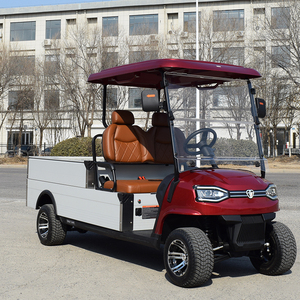
Modern commercial passenger buggies and high-capacity cargo mini-trucks are abandoning brushed DC motors in favor of 5kW to 10kW AC induction motors and Permanent Magnet Synchronous Motors (PMSM). AC systems provide significantly higher torque density at low RPMs, enabling smooth gradeability on 25%+ inclines even when loaded to full gross vehicle weight. Furthermore, AC controllers integrate intelligent regenerative braking algorithms, converting kinetic energy back into battery storage during downhill descent while reducing mechanical brake wear by over 40%.
3. Automotive-Grade CAN-bus Architecture & Smart Telematics
Commercial fleet operators and large-scale resorts demand real-time visibility into vehicle health and operation. Modern passenger carts are now built on automotive CAN-bus multiplexed wiring systems, replacing bulky legacy harnesses. High-definition 12.5-inch touchscreens display speed, charge status, real-time diagnostic trouble codes (DTCs), GPS navigation, and backup camera feeds. Telematics integration allows fleet managers to geofence operating zones, limit max speed according to site safety rules, and track preventive maintenance intervals remotely.
4. Ergonomic Scissor Lift Dynamics & Multi-Terrain Chassis Engineering
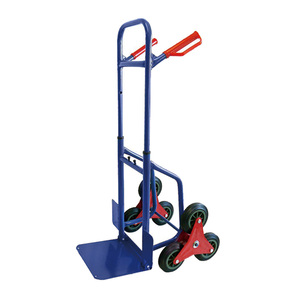
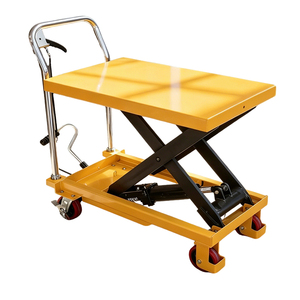
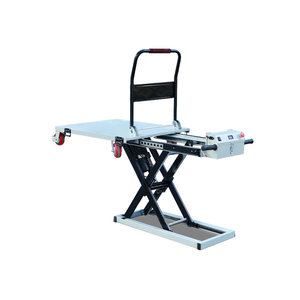
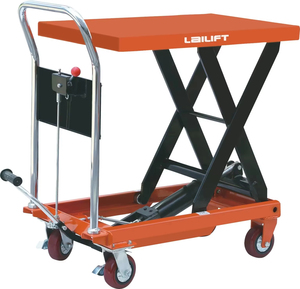
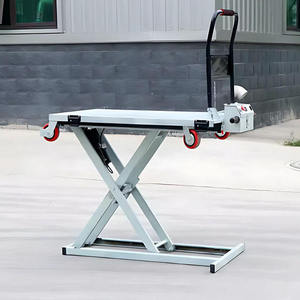
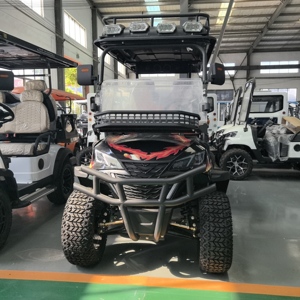
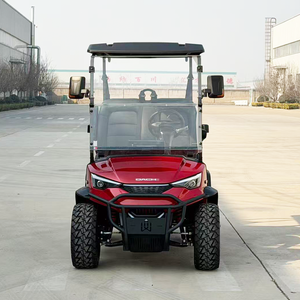
In the industrial handling sector, manual hand carts and hydraulic scissor lift tables are evolving toward electro-hydraulic hybrids. Ergonomic research shows that repetitive lifting injuries account for substantial workplace downtime. By implementing dual-scissor electro-hydraulic lift tables powered by portable lithium batteries, operators can effortlessly elevate payloads up to 500kg to precise working heights (up to 90cm) with foot-pedal or push-button controls. Simultaneously, multi-passenger golf carts feature lifted 4-wheel independent coil-over suspension systems designed to absorb severe road vibration across gravel, turf, and rugged terrain.