
Engineered for commercial golf carts, electric lifting platforms, heavy-duty trolleys, and multi-passenger utility buggies.
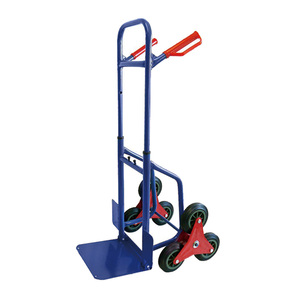
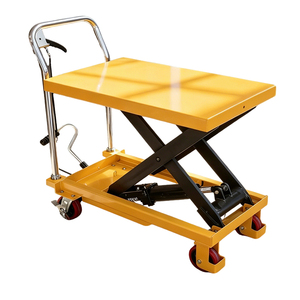
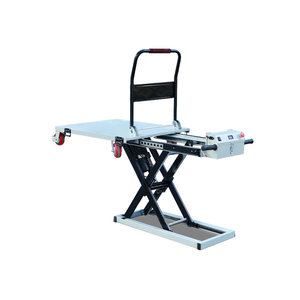
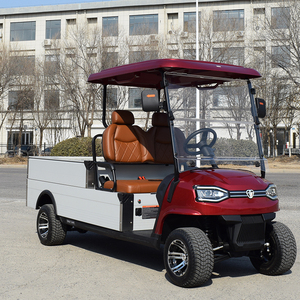
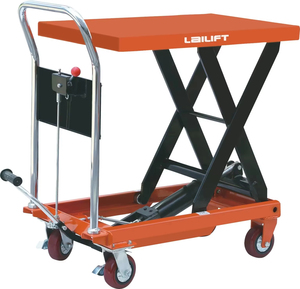
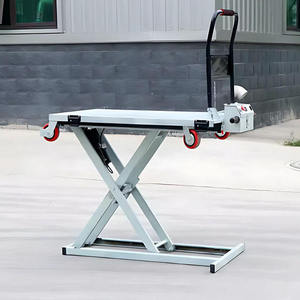
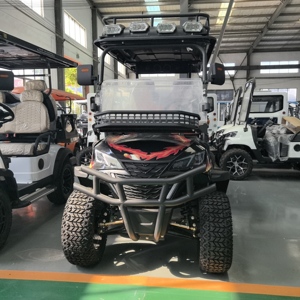
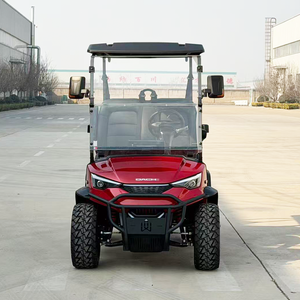
In the rapidly evolving electric mobility landscape, the battery charger is no longer merely an off-board power accessory—it is the central intelligence node dictating total cost of ownership (TCO), battery health, operational uptime, and grid integration efficiency. As modern commercial fleets transition from legacy flooded lead-acid batteries to high-density lithium iron phosphate (LiFePO4) chemistry—exemplified by systems like the 173Ah lithium power plant paired with 5kW AC drive motors—the demand for precision-engineered, high-frequency industrial cart chargers has reached unprecedented levels.
As a premiere Cart Charger Manufacturer & Factory with decades of combined engineering experience, our design brief focuses on solving the systemic vulnerabilities inherent in standard aftermarket power conversion equipment. Commercial operators of utility buggies, lifted 6-passenger PTVs, mobile electric hydraulic lifting platforms, and heavy-duty stair-climbing hand carts frequently suffer from thermal throttling, premature cell degradation, harsh electrical noise, and ingress failures caused by vibration or liquid washdowns.
To eliminate these failure modes, modern industrial charging units must feature resonant LLC topology, active power factor correction (PFC > 0.99), hermetically sealed IP67 enclosures, and dynamic CAN bus (J1939 / CANopen) handshakes with the vehicle’s Battery Management System (BMS).
The shift toward smart electrification across low-speed electric vehicles (LSVs), personal transportation vehicles (PTVs), and warehouse hydraulic scissor lift tables has triggered key technological transformations in power electronics:
Traditional ferroresonant chargers were plagued by heavy iron cores, high acoustic noise, low electrical efficiency (<75%), and immense thermal output. Contemporary charging systems manufactured in state-of-the-art facilities leverage High-Frequency Soft-Switching LLC Resonant Converters operating between 100kHz and 300kHz. This yield reduces physical footprint by over 60% while elevating conversion efficiency up to 96.5%. Lower energy loss translates directly into reduced ambient heat generation, allowing fully encapsulated designs capable of continuous operation at rated capacity even in extreme +65°C environments.
Whether powering a 48V utility mini truck with a rear cargo box or a 60V multi-seater lifted hunting buggy, different cell chemistries require targeted multi-stage charging profiles to maximize longevity:
Modern cart chargers act as active communication devices. Through integrated CAN 2.0B interfaces, the charger continuously communicates with the vehicle’s BMS. The charger dynamically adjusts charge current based on real-time cell temperatures, state of charge (SoC), internal impedance, and cell voltage differentials. In fleet management scenarios, this communication interface transmits critical diagnostic data to remote dashboards, warning fleet managers of battery anomalies long before downtime occurs.
| Performance Spec | Legacy Off-Board Chargers | Industrial Grade Smart Chargers |
|---|---|---|
| Peak Conversion Efficiency | 70% – 78% | 94.5% – 96.5% |
| Power Factor (PFC) | 0.65 – 0.75 | > 0.99 (Active PFC) |
| Ingress Protection (IP) | IP20 (Vented / Dust Sensitive) | IP67 / IP68 (Fully Encapsulated) |
| Communication Protocol | None (Analog Voltage Sensing) | CAN Bus 2.0B / J1939 / RS485 |
| Vibration Resistance | Low (Transformer hum / Loose wiring) | Automotive Grade (MIL-STD-810G) |
| Operating Temp Range | -10°C to +40°C | -40°C to +65°C (Full Load) |
As global commercial fleets, resort operators, industrial warehousing hubs, and municipal mobility programs scale their electric utility vehicle counts, procurement strategies are undergoing a fundamental transformation. B2B buyers must evaluate several critical procurement trends over the 2025–2030 horizon:
Historically, fleet operators relied on centralized charging bays equipped with bulky off-board chargers. Modern utility vehicles—including electric hydraulic small lifting platform vehicles and portable scissor lift tables—are overwhelmingly shifting toward Onboard High-Frequency Chargers. Mounting the charger directly within the vehicle chassis allows operators to plug into any standard wall outlet (110V/230V auto-sensing AC input) wherever the vehicle is operating, eliminating return trips to centralized charging stations and maximizing daily fleet productivity.
Fleet managers often operate a mixed fleet containing 24V scissor lifts, 36V light hand carts, 48V standard utility buggies, and high-performance 60V or 72V multi-passenger lifted carts. Forward-looking procurement demands modular charging platforms where software firmware can reconfigure voltage output profiles dynamically, reducing spare-parts stockholding costs and simplifying maintenance logistics across diverse machinery.
Cart chargers operate in brutal environments: golf courses with heavy morning dew, dusty construction sites, agricultural fields, and industrial plants subject to high-pressure washdowns. Industrial buyers now demand die-cast aluminum heat sinks filled with thermally conductive silicon gel, providing complete isolation against water immersion, salt spray, moisture condensation, and intense mechanical vibration (e.g., stair-climbing hand truck operations).
Regulatory scrutiny around battery safety and grid harmonic distortion is accelerating worldwide. OEM procurement contracts require strict certification compliance, including UL2202 (EV Charging System Equipment), UL1564 (Industrial Battery Chargers), CE mark, FCC Part 15 Class B electromagnetic compatibility, and RoHS compliance. Working with an experienced, certified manufacturing partner ensures seamless market access across North American, European, and Asia-Pacific markets.
Founded by industry veterans who have spent decades developing, homologating, and manufacturing premium electric cart platforms, our manufacturing infrastructure combines domestic assembly standards with automated, rigorous quality control pipelines. We know firsthand where low-cost imported power supplies fail, which components dealers replace most often, and what fleet managers regret buying.
High-speed Surface Mount Technology (SMT) lines combined with Automated Optical Inspection (AOI) eliminate human soldering errors across all high-frequency driver boards.
Every charger coming off our line undergoes a continuous 4-hour full-load thermal burn-in test in environmental chambers before final potting and dispatch.
Our in-house reliability laboratory validates physical resistance against thermal cycling (-40°C to +85°C) and multi-axis mechanical shock loads.
By maintaining structural control over engineering, firmware customization, component sourcing, and final inspection, our factory eliminates the quality variance common in catalog supply chains. Each unit shipped is fully traceable, backed by comprehensive engineering documentation, transparent warranty terms, and factory-direct technical support.
Connect directly with our engineering team to request detailed spec sheets, custom OEM firmware options, or factory-direct bulk quotation catalogs.
Get Catalog