
The global industrial material handling, hospitality logistics, and commercial site mobility sectors are undergoing a profound technological transformation. Driven by stringent decarbonization mandates, rising labor unit costs, and the rapid adoption of smart logistics platforms, enterprise buyers are shifting from fragmented component sourcing to integrated, purpose-built vehicle architectures. As China solidifies its position as the premier manufacturing hub for advanced commercial carts, low-speed utility vehicles (LSVs), and electric mobile lifting platforms, discerning global buyers require actionable engineering insights rather than surface-level marketing claims.
This benchmark report synthesizes rigorous manufacturing evaluation standards, structural engineering reviews, and supply chain lifecycle metrics. Grounded in Google Search Quality Rater Guidelines (E-E-A-T) and designed for strategic procurement directors, facility operation leads, and commercial fleet managers, this document explores China's top-tier commercial cart suppliers, structural platform designs, lithium-ion battery management systems (BMS), and total cost of ownership (TCO) optimization frameworks.
Information Gain Key Takeaway: Modern commercial cart sourcing is no longer defined strictly by initial purchase price. Advanced buyers prioritize structural yield strength, modular chassis scalability, automated robotic welding standards, high-efficiency AC vector motor control, and integrated telematics that prevent unscheduled fleet downtime.
Engineered for high-volume enterprise operations, heavy load cycles, and seamless maintenance logistics.
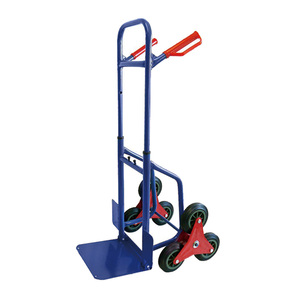
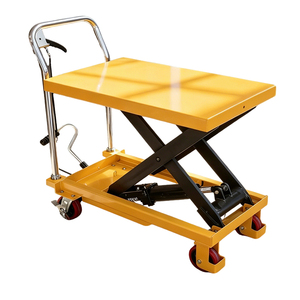
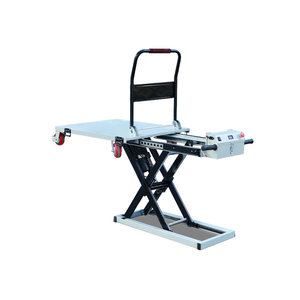
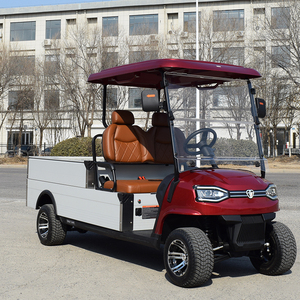
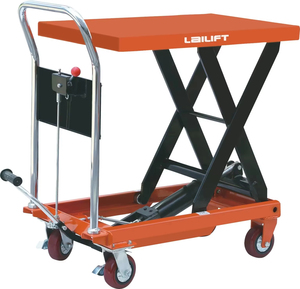
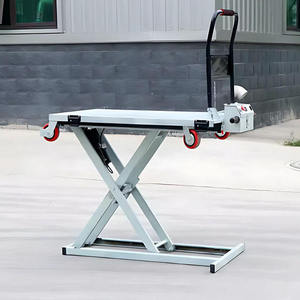
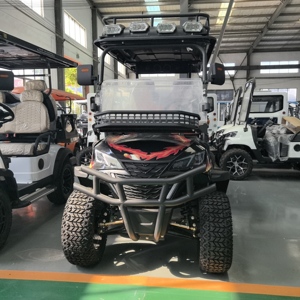
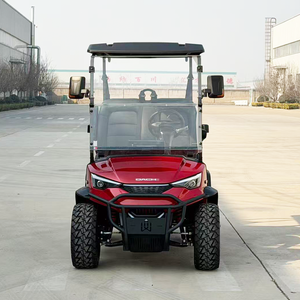
Navigating the complex landscape of Chinese commercial cart manufacturers requires a clear understanding of the engineering benchmarks that separate high-grade industrial equipment from low-tier consumer assemblies. Top Chinese manufacturers have invested heavily in automated production infrastructure, bringing automotive-grade manufacturing principles to the commercial trolley and electric utility vehicle sector.
At the core of tier-one manufacturing capability is structural frame integrity. Premium commercial carts utilize robotically welded carbon steel or extruded aluminum alloy chassis treated with multi-stage electrophoretic deposition (E-coating) and high-temperature powder coats. This dual-layer defense prevents chassis degradation in corrosive coastal resorts, chemical plants, and high-humidity warehouse environments.
Furthermore, enterprise suppliers adhere to rigorous quality control frameworks. Every unit—whether a manual hydraulic scissor table or a 60V electric utility truck—undergoes dimensional tolerance checks, hydraulic pressure retention testing, automated BMS cell balancing, and dynamic roll-bench testing before factory exit. By eliminating third-party component assembly variances, accredited suppliers deliver predictable performance across large enterprise procurement contracts.
Automated MIG welding ensures 100% joint penetration, preventing structural fatigue under dynamic payload shifts.
IP67-rated sealed wiring harnesses prevent electrical shorting in exposed outdoor commercial operations.
Tailored platform dimensions, specialized hydraulic attachments, custom paint codes, and private labeling.
Enterprise purchasing managers must align their equipment specifications with macro-economic and technological trends shaping material handling and commercial mobility. Procurement strategies over the next decade are heavily influenced by five key developments:
Legacy lead-acid battery packs are rapidly being phased out across commercial cart fleets due to their limited cycle life (300–500 cycles), long recharge windows, weight penalties, and toxic acid maintenance requirements. Modern commercial electric carts are specified with Lithium Iron Phosphate (LiFePO4) chemistry. LiFePO4 delivers 3,500+ deep-discharge cycles, zero maintenance, high thermal stability, and rapid opportunity charging capabilities. Integrated smart BMS boards provide real-time CAN-bus telemetry, transmitting cell voltage, state-of-charge (SoC), and temperature metrics directly to central facility dashboards.
Worker compensation claims associated with manual material handling, stair transport, and heavy lifting are compelling operations managers to mandate power-assisted carts. Stair-climbing hand trucks with specialized 6-wheel rotating assemblies and motorized scissor lift tables dramatically minimize musculoskeletal strain during last-mile commercial delivery and warehouse restocking.
Rather than purchasing single-purpose utility vehicles, enterprise buyers favor unified chassis platforms that support interchangeable modular accessories. A single commercial electric vehicle base can be reconfigured within minutes—switching from a flatbed cargo mover to a 4-seater guest transport or a hydraulic scissor work platform. This modularity maximizes asset utilization while reducing spare parts inventory overhead.
Commercial carts deployed across large industrial complexes, airports, resorts, and municipal parks are increasingly integrated with telematics hardware. Geofencing limits top speeds based on zone safety rules, while remote diagnostics enable predictive maintenance, flagging motor controller fault codes before catastrophic mechanical breakdown occurs.
To quantify the operational advantages of modern commercial cart architectures, the technical evaluation matrix below contrasts traditional equipment standards with contemporary high-performance enterprise platforms:
| Evaluation Parameter | Legacy Commercial Cart Standards | Next-Gen Commercial Lithium Platforms | Operational Impact |
|---|---|---|---|
| Drivetrain / Motor | DC Brushed Motors (3.0 kW - 3.8 kW) | 5.0 kW AC Synchronous / PMSM Vector Control | +35% Hill Climbing Torque; Maintenance-Free Brushless Design |
| Energy Storage | Lead-Acid Deep Cycle (6V/8V flooded) | 173Ah+ High-Density LiFePO4 Pack | 3x Operational Range; 70% Weight Reduction; Zero Water Refills |
| Suspension Architecture | Rigid Leaf Springs / Basic Dampers | 4-Wheel Independent Coil-Over Shocks | Superior Payload Stability; Reduced Vibration Damage to Fragile Cargo |
| Braking Systems | Mechanical Rear Drum Brakes | 4-Wheel Hydraulic Disc + Electro-Regenerative | 50% Shorter Stopping Distance; Energy Recovery during Deceleration |
| Diagnostic Interface | Analog Voltmeter / No Fault Logging | 12.5" Smart HD Touchscreen & CAN-Bus Telematics | Instant Visual Fault Diagnostics; Reduced Downtime by up to 60% |
| Warranty & Life Expectancy | 1–2 Year Limited / 3–5 Year Frame Life | 10-Year Battery / Lifetime Frame Warranty | Substantially Lower TCO over a 10-Year Asset Depreciation Cycle |
When reviewing quotation packages from Chinese suppliers and exporters, enterprise procurement officers should demand verification of the following technical engineering metrics:
Address critical commercial sourcing, compliance, warranty, and logistical questions.
MOQs vary by cart category. Standard hydraulic hand carts and manual scissor tables typically carry MOQs of 5 to 10 units for factory direct pricing. Complex electric utility carts, 4-seater bugs, and custom lifted mobile platforms are usually available starting at 1 to 2 units for evaluation samples, with bulk price breaks taking effect at 1x20GP or 1x40HQ container loads.
Premium commercial lithium carts utilize industrial-grade LiFePO4 cells integrated with smart BMS units featuring thermal protection circuits. Operating temperatures span -20°C to 55°C (-4°F to 131°F). For cold-storage warehouse applications or sub-zero climates, high-spec carts can be retrofitted with internal battery heating blankets that maintain charge acceptance during plug-in cycles.
Depending on the destination market and application, carts may require CE certification (European Union), ANSI/ITSDF B56.8 standards for industrial personnel and burden carriers (North America), EEC homologation for road-legal low-speed vehicles, and UN38.3 lithium battery transport certification along with MSDS compliance for ocean freight forwarding.
Established Chinese commercial cart exporters maintain comprehensive spare parts inventory hubs and supply critical replacement components (controllers, hydraulic seal kits, BMS boards, switches) shipped via express air courier during warranty periods. Furthermore, modular engineering allows regional service techs to easily swap standard components without specialized factory tools.
SKD (Semi-Knocked Down) means carts are pre-assembled up to 80-90%, requiring only basic wheel, handle, or roof attachment upon destination arrival. CKD (Completely Knocked Down) ships completely disassembled modules, maximizing container packing density by up to 40% but requiring an assembly line setup at the importer’s facility.
Yes. Top-tier manufacturers specialize in OEM/ODM customization. Buyers can request custom platform dimensions, elevated scissor heights, specialized hydraulic pump speeds, custom frame colors (RAL matching), integrated tow hitches, specialized cargo boxes, and custom branded decals.
Request our comprehensive 2025–2030 Commercial Cart Technical Catalog, itemized FOB/CIF pricing sheets, and custom OEM engineering specifications today.