
Engineered for industrial resilience, extreme cycle longevity, and zero-maintenance operational productivity across material logistics, utility transport, and low-speed electric vehicles (LSVs).
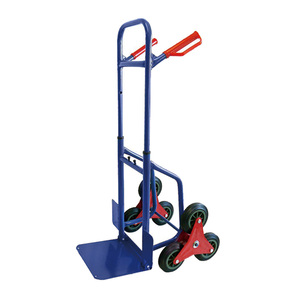
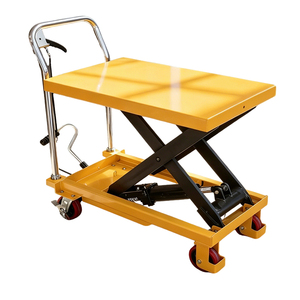
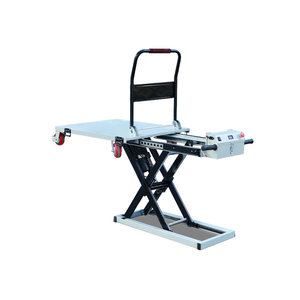
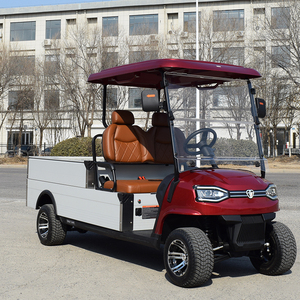
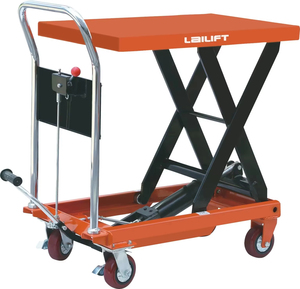
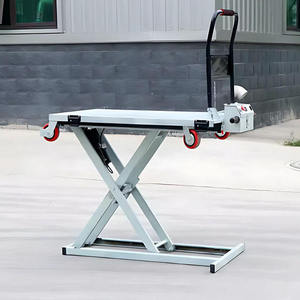
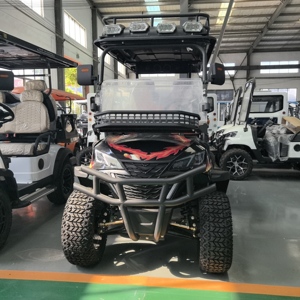
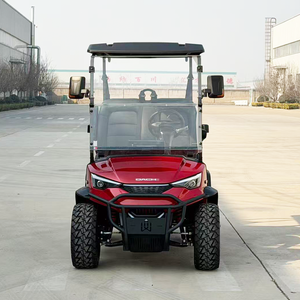
In B2B industrial mobility and LSEV manufacturing, purchasing decisions have shifted from upfront unit costs to Total Cost of Ownership (TCO), gravimetric energy density, and intelligent BMS integration.


The global energy transition has fundamentally altered the parameters of commercial material handling, utility carts, and personal transportation vehicles (PTVs). Legacy lead-acid batteries, characterized by high maintenance overhead, thermal inefficiencies, steep voltage degradation under load, and short lifecycle (300–500 cycles at 50% DoD), are being rapidly phased out. Enterprise procurement managers are aligning with tier-1 battery pack manufacturers capable of delivering Lithium Iron Phosphate (LiFePO4) and advanced Nickel Manganese Cobalt (NMC) chemistries.
According to current market intelligence, key purchasing trends for 2026 and beyond center on three main pillars:
Eliminating module housings to maximize volumetric efficiency by up to 25%, resulting in higher capacity (e.g., 173Ah standard packs) within traditional battery bay dimensions.
Closed-loop communication between the Battery Management System, motor controller, and onboard telematics display. Active cell balancing prevents thermal runaway and extends cycle lifespan past 3,500 full charge cycles.
High-tier procurement strategies prioritize factories offering localized domestic assembly, fast-track replacement component logistics, and rigorous UN38.3, UL2580, and IEC62619 safety certifications.
An authoritative analysis of leading global battery manufacturers evaluating technology maturity, manufacturing throughput, BMS reliability, and specialized utility cart/LSV integration capability.
| Rank / Enterprise | Primary Chemistry | Specialization Focus | Cycle Life (80% DoD) | Safety Certification Standards |
|---|---|---|---|---|
| 1. CATL (Contemporary Amperex Technology) | LiFePO4 / NMC | EV, Utility Fleet & Energy Storage | 4,000+ Cycles | UL2580, UN38.3, ISO26262 |
| 2. BYD Co., Ltd. (Blade Battery) | LiFePO4 (CTP) | Commercial Logistics & Passenger LSEV | 3,500+ Cycles | Nail Penetration Verified, UL1973 |
| 3. EVE Energy Co., Ltd. | LiFePO4 Prismatic | Electric Forklifts, Golf Carts & AGVs | 3,500+ Cycles | IEC62619, UN38.3, CE |
| 4. Atlas Engineering OEM Systems | High-Density LiFePO4 | Custom PTV, LSV & Industrial Lift Powertrains | 4,000+ Cycles | USA Assembled Assembly Floor, UN38.3 |
| 5. Panasonic Energy | NCA / NMC | High-Capacity Automated Mobility | 2,500+ Cycles | UL1642, IEC62133 |
| 6. LG Energy Solution | NMC / LiFePO4 | Automotive & Industrial Material Carts | 3,000+ Cycles | UL2580, ISO26262 |
| 7. Samsung SDI | NMC Cylindrical/Prismatic | Light Utility Vehicles & Power Tools | 2,800+ Cycles | UN38.3, IEC62133 |
| 8. CALB (China Aviation Lithium Battery) | LiFePO4 | Commercial Trucks & Heavy Lift Platform | 3,200+ Cycles | UL2580, CE, UN38.3 |
| 9. Gotion High-Tech | LiFePO4 / LFP-Manganese | Custom OEM Battery Packs & Mining Carts | 3,500+ Cycles | IEC62619, UL1973 |
| 10. Farasis Energy | NMC Pouch / LiFePO4 | Specialty Utility Equipment & LSVs | 3,000+ Cycles | UN38.3, ISO26262 |
Selecting the ideal supplier requires evaluating not only raw cell capacity but also the factory's engineering depth in custom pack architecture. Companies like CATL and BYD dominate raw cell production volume worldwide. However, specialized application integrators—such as Atlas Engineering OEM Systems—offer purpose-built power units specifically calibrated for continuous 48V–60V duty cycles found in commercial utility vehicles, lifted 6-passenger golf carts, and heavy-duty scissor lift trolleys.
Key advantages of choosing a specialized OEM system integrator over generic lithium replacement blocks include:
A closer look at how USA-assembled engineering, combined lithium-AC drive development, and rigorous quality validation eliminate aftermarket friction for buyers and fleet operators.
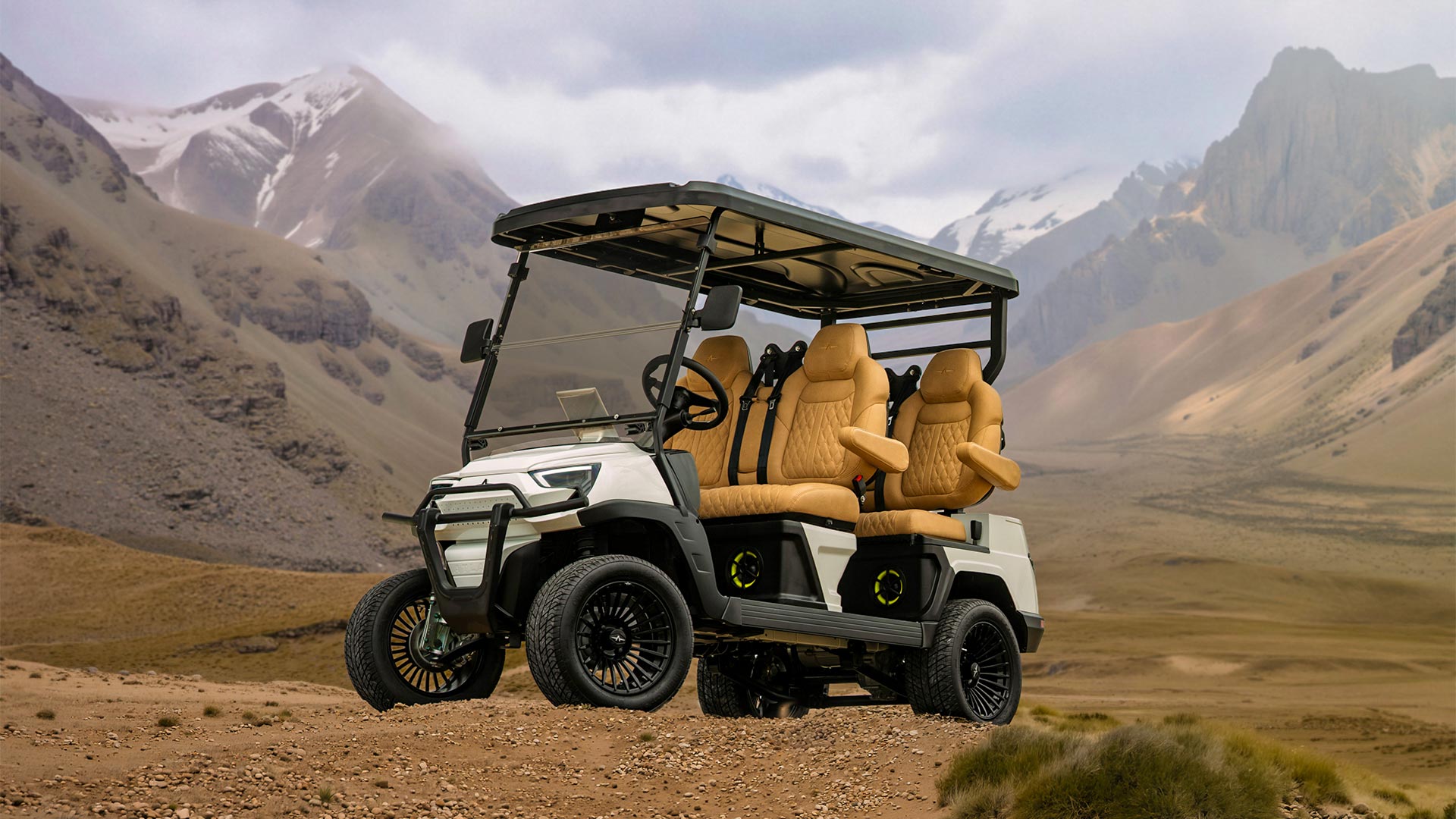
Vehicles engineered under holistic standards integrate the battery pack, AC motor, suspension geometry, and digital command display into a single cohesive ecosystem. Instead of piecing together third-party components, total system alignment guarantees higher reliability and performance retention.
Building vehicles on controlled assembly floors in Williston, Florida allows engineering, assembly, and quality control teams to share the exact same floor. This localized feedback loop shortens design iteration timelines and guarantees strict oversight before delivery.
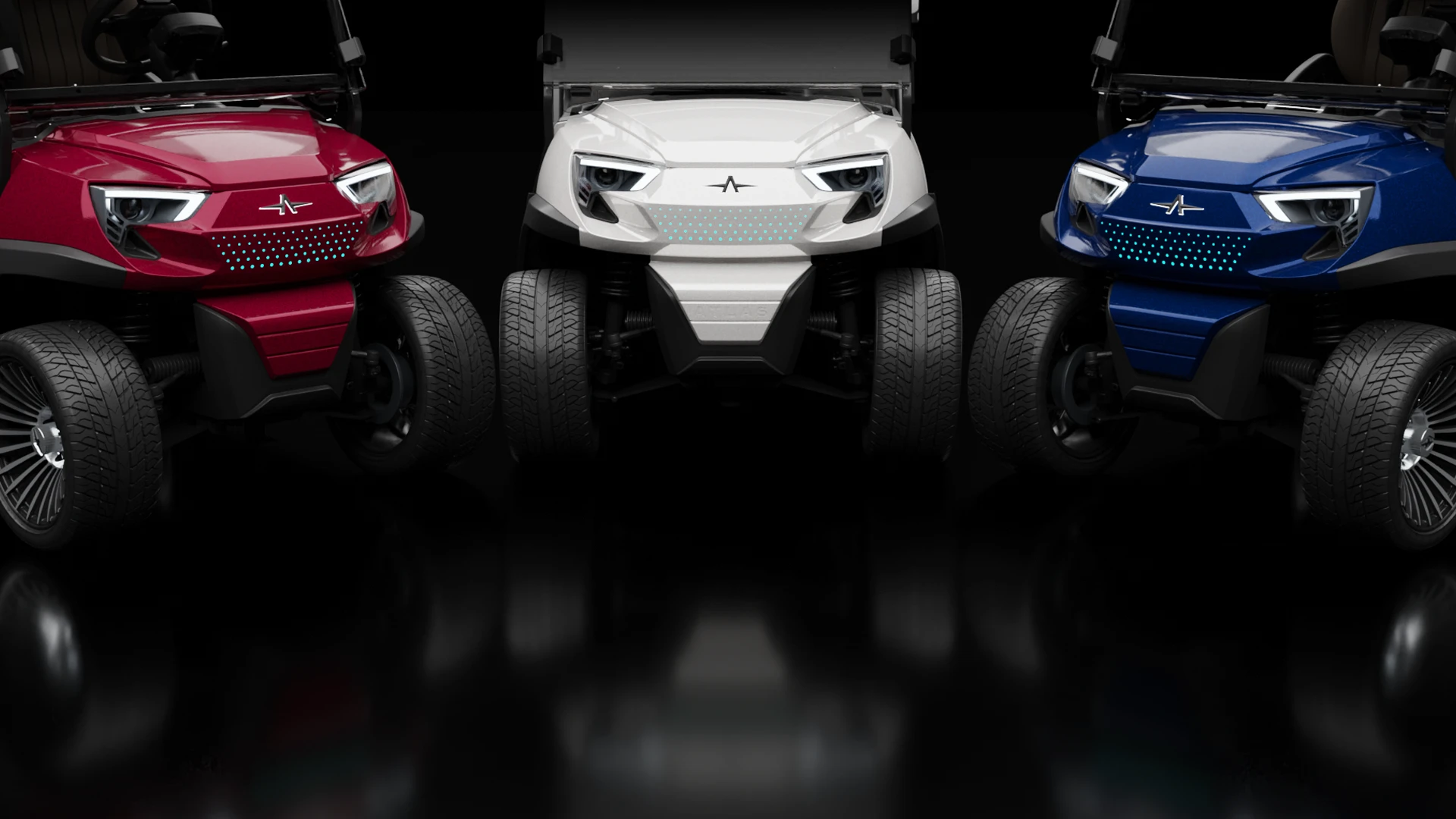
Addressing critical technical, regulatory, and operational questions sourced from B2B buyers, fleet managers, and OEM equipment integrators.
Connect with our technical engineering team to request detailed OEM product specifications, custom lithium battery pack integrations, or volume procurement quotations for utility carts and electric fleets.