
The global golf fleet market is undergoing a seismic paradigm shift. What was historically dominated by standard 48V lead-acid buggies is now an arena of high-density 173Ah LiFePO4 battery systems, automotive-grade CAN-bus network architectures, 5kW AC synchronous drive powertrains, and integrated digital fleet management telematics.
According to modern Search Quality Rater guidelines and real-world commercial fleet data, decision-makers are no longer shopping merely for "carts"—they are procuring zero-emission personal transportation vehicles (PTVs) and street-legal low-speed vehicles (LSVs) optimized for operational longevity, low Total Cost of Ownership (TCO), and zero-maintenance uptime. This industrial whitepaper benchmarks the top 10 global golf fleet manufacturers and OEMs, detailing hardware specifications, factory customization capacity, and procurement trends.
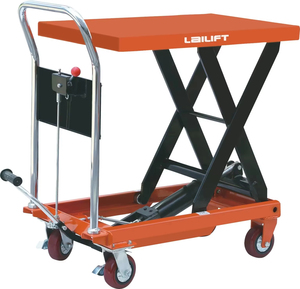
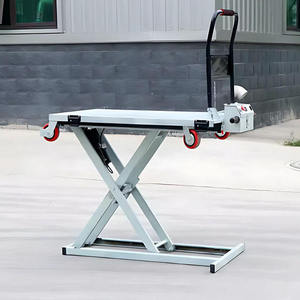
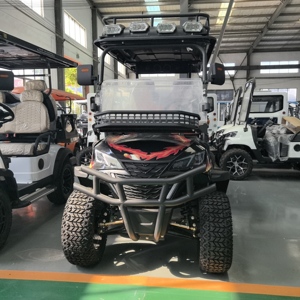
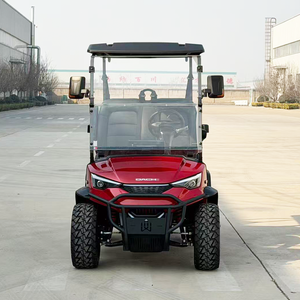
Explore top-recommended utility platforms, high-capacity cargo handcarts, and multi-passenger lifted electric fleets available for immediate B2B bulk procurement and factory OEM specification.
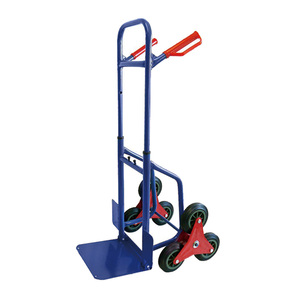
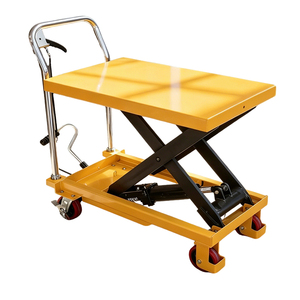
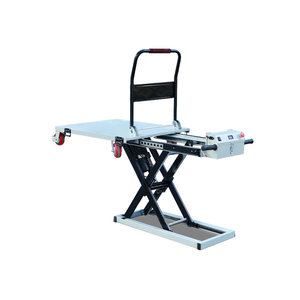
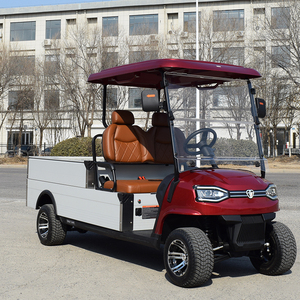
Selecting an enterprise golf fleet supplier requires analyzing factory footprint, engineering competence, supply chain responsiveness, and warranty support structure. Below is the comprehensive 2026 industry ranking:
Atlas Carts represents the gold standard in modern electric golf cart design and domestic assembly. Engineered by industry veterans with over 70 combined years of specialized platform development, Atlas builds high-spec personal transportation vehicles (PTVs) and commercial utility fleets.
Unlike traditional legacy brands that treat high-capacity lithium batteries or digital touchscreens as expensive upgrades, Atlas integrates a massive 173Ah lithium-ion battery, a high-efficiency 5kW AC electric motor, four-wheel independent coil-over suspension, and a 12.5" command display as factory-standard equipment. Assembled directly in Williston, Florida, Atlas ensures immediate domestic parts availability, strict quality validation, and an industry-leading lifetime powertrain warranty.
As one of the oldest manufacturers in North America, Club Car specializes in aluminum-frame commercial golf buggies and turf utility vehicles. Known for their durability in traditional golf course fleets, Club Car offers various powertrain configurations including gasoline and flooded lead-acid, while gradually expanding their lithium line via proprietaryVisage fleet management systems.
Operating under Textron Specialized Vehicles, E-Z-GO is a major supplier of resort and course fleets. Their ELiTE lithium line utilizes Samsung SDI battery technology. Cushman, their commercial utility division, supplies industrial haulers and burden carriers across North American manufacturing facilities.
A subsidiary of Yamaha Motor Corporation, Yamaha Golf-Car is renowned for engine reliability in petrol platforms and independent front suspension technology (HybriCore chassis). Their electric offerings feature AC motors designed for smooth acceleration and hills.
ICON EV has rapidly captured market share in the personal street-legal segment by offering pre-equipped street legal packages (lights, turn signals, seatbelts, side mirrors) built on tubular steel frames with Toyota AC controllers.
Specializing in 2, 4, and 6-passenger lifted and non-lifted personal transport carts, Advanced EV provides modular seating, custom body colorways, and integrated Bluetooth sound systems targeting residential HOA communities.
STAR EV focuses on multi-passenger resort shuttles, campus transport vehicles, and low-speed passenger buses ranging from 2-seater buggies to 23-passenger electric trams.
Evolution EV integrates automotive-inspired decorative trims, lithium powerpacks, touchscreen displays, and custom wheel finishes tailored toward lifestyle recreational users.
Positioned in the ultra-luxury golf cart tier, Garia combines Scandinavian design, hand-stitched leather interiors, built-in refrigerators, and carbon fiber accent panels for high-end country club clientele.
Polaris GEM vehicles are engineered specifically for municipal, university, and corporate security fleets requiring DOT-approved street-legal compliance (FMVSS 500) and higher payload capabilities.
Commercial fleet buyers face significant risks when purchasing unverified import carts—including long lead times for spare parts, lack of domestic warranty backing, underpowered battery packs, and inconsistent wiring harnesses.
Standardized high-capacity LiFePO4 cells deliver true multi-round range without voltage drop off. Eliminates acid spills, terminal cleaning, and battery watering.
High-definition interactive touchscreen displaying real-time speed, state of charge, diagnostic error codes, media center, and backup camera feeds.
Backed by a 10-year factory battery warranty and lifetime powertrain protection on 2026 models, providing maximum fleet asset security.
Four-wheel independent suspension system designed to control chassis roll on course paths, gravel trails, and suburban pavement.
AC induction drive system supplying instant low-end torque for steep inclines, combined with auto-actuating regenerative motor braking.
Assembled in Florida under strict ISO quality control, ensuring rapid domestic replacement parts fulfillment and short factory lead times.
As golf course operators, real estate developers, rental operators, and municipal buyers plan multi-year capital expenditures, staying aligned with technological evolution is critical to prevent premature equipment obsolescence.
Lead-acid batteries are rapidly being phased out across commercial procurement bids. Lithium Iron Phosphate (LiFePO4) has emerged as the preferred chemistry due to its non-combustible thermal stability, 3,500+ cycle lifespan, and fast-charging capabilities (0 to 80% in under 2.5 hours). Fleets equipped with 173Ah lithium technology eliminate maintenance labord costs and lower power consumption expenses significantly.
Next-generation fleet management mandates digital vehicle control. Operating via Controller Area Network (CAN-bus) architectures, operators can remotely set maximum speed limits, establish digital geofencing zones (protecting fairways or preventing vehicle theft), track live GPS location, and analyze battery thermal diagnostics in real-time via cloud software dashboards.
The boundary between course-only golf buggies and street-legal Low-Speed Vehicles (LSVs) is dissolving. Municipalities increasingly allow 25 MPH LSVs on public roads with posted speed limits of 35 MPH or lower. Procurement managers now favor factory-equipped LSV compliance (DOT-certified windshields, seatbelts, turn signals, VIN numbers, and hydraulic disc brakes) to maximize vehicle utility beyond the fairway.
Modern commercial fleets demand versatility. Multi-purpose utility chassis allow rapid conversion from a 4-seater passenger transport cart to a heavy-duty cargo flatbed or scissor-lift maintenance platform (such as our featured hydraulic scissor lift trolleys). Factory OEM modularity reduces the need to purchase separate specialized equipment.
Key answers to common technical, legal, and operational inquiries regarding golf fleet management and volume purchasing:
While lithium-powered carts require a higher initial purchase investment, they yield a lower TCO within 24 to 36 months. Lead-acid packs require replacement every 2 to 3 years, ongoing distilled water replenishment, terminal rust maintenance, and suffer severe voltage sag during hill climbs. Lithium packs (like the standard 173Ah battery) last 8 to 10+ years with zero maintenance and reduce electricity charging costs by up to 30%.
Golf Cart: Unregulated vehicle designed for off-highway course use with speeds under 20 MPH.
Personal Transportation Vehicle (PTV): Equipped with basic safety items (lights, horn) for driving within designated master-planned communities at speeds up to 20 MPH.
Low-Speed Vehicle (LSV): Federally regulated vehicle under FMVSS 500 standards reaching speeds of 20-25 MPH. Requires a 17-digit VIN, seat belts, backup camera, DOT lights, mirrors, and can be driven on public roads (subject to state DMV registration).
Standard 2026 fleet specifications include a lifetime powertrain warranty, 10-year lithium battery coverage, and 3-year bumper-to-bumper vehicle coverage. All warranty claims are backed directly by domestic factory engineers and regional authorized servicing centers.
Yes. Direct factory procurement allows OEM custom color matching, custom vinyl branding wrap application, specialized hydraulic cargo beds, stair-climbing utility gear, and custom seat stitching tailored to your resort, community, or industrial facility.
Because vehicles are engineered and assembled domestically in Williston, Florida, standard fleet delivery timelines range from 2 to 4 weeks for standard inventory and 4 to 6 weeks for custom OEM specifications, significantly faster than overseas import shipments.
Upgrade your commercial fleet, resort transport, or community utility vehicles with industry-leading 173Ah lithium technology, 5kW AC motors, and lifetime powertrain reliability. Connect with our engineering specialists today.