
Exceeding international low-speed vehicle (LSV) specifications. Engineered with high-capacity lithium power, aircraft-grade structural integrity, and ergonomic load management.
The evolution of industrial electric mobility, personal transportation vehicles (PTV), and low-speed electric utility cruisers (LSV) has reached a critical inflection point. Fleet managers, resort operators, industrial buyers, and commercial dealerships are transitioning away from fragmented legacy platforms toward unified, high-voltage lithium architectures.
As a leading authority in high-performance electric vehicles, our engineering mandate synthesizes over 70 years of combined powertrain research and chassis manufacturing expertise. Rather than assembling disparate aftermarket components, top-tier global manufacturers establish strict, end-to-end quality control protocols where battery cell management systems (BMS), AC induction/PMSM motors, independent coil-over suspension geometries, and automotive-grade touchscreens operate as a synchronized eco-system.
Commercial procurement directors evaluating electric cruiser suppliers must analyze more than initial unit capital expenditure (CapEx). The true cost driver over a 7-year operational lifecycle resides in Total Cost of Ownership (TCO), thermal battery degradation, chassis corrosion resistance, and parts standardization. Modern commercial fleets demand standardized 173Ah LiFePO4 packs capable of surviving 3,500+ deep discharge cycles without memory loss or voltage thermal runaways.
Eliminate range anxiety and maintenance overhead. Our platforms pack an industry-leading 173Ah LiFePO4 chemistry as baseline equipment, avoiding the performance degradation associated with traditional lead-acid or undersized 100Ah packs.
Continuous-duty 5kW AC induction motors paired with programmable controllers deliver instantaneous linear torque, effortless 25+ mph cruising speeds, and intelligent energy recovery during dynamic downhill braking.
Centralized digital telemetry. Touchscreen display integrates rear-view camera feeds, Bluetooth audio, diagnostic fault codes, ambient lighting customization, and multi-mode speed limiters for simplified fleet oversight.
Built with unwavering confidence. Supported by an enterprise-first lifetime powertrain warranty option, 10-year lithium battery coverage, and transparent domestic spare parts availability for guaranteed uptime.
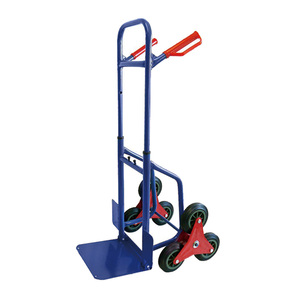
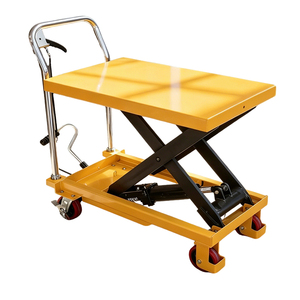
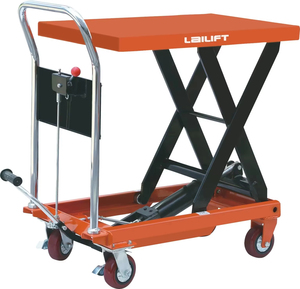
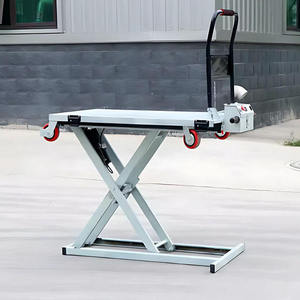
From 500kg mobile scissor lift tables to electric stair-climbing hand trucks, our heavy-duty material handling platforms integrate electro-hydraulic safety valves and reinforced steel frames to streamline warehouse productivity.
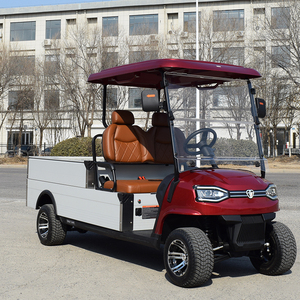
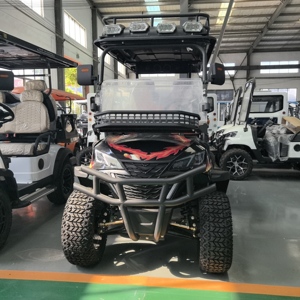
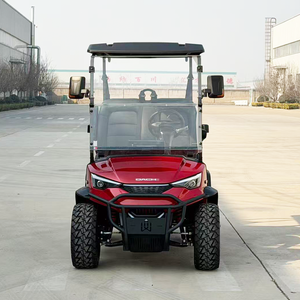
Built ready for municipal DOT low-speed vehicle registration. Vehicles include 3-point seat belts, DOT-approved windshields, hydraulic 4-wheel disc brakes, side mirrors, and integrated turn-signal LED clusters.
| Performance Metrics | Standard Market Entry | Mid-Tier Import Buggies | Our Flagship Enterprise Cruiser |
|---|---|---|---|
| Battery Chemistry & Pack | Lead-Acid 48V (80Ah) | Generic Lithium 100Ah | Premium LiFePO4 173Ah Pack |
| Motor Power Rating | 3.0 kW DC Series | 4.0 kW AC Induction | 5.0 kW AC High-Torque Motor |
| Max Speed & Range | 15 mph / 25 miles | 20 mph / 40 miles | 25+ mph / 65+ miles per charge |
| Suspension Architecture | Front Leaf Spring / Rigid Rear | Standard Shocks | 4-Wheel Independent Coil-Over System |
| Display & Telematics | Analog Voltmeter | 7-inch LCD Monitor | 12.5-inch HD Touch Command System |
| Warranty Coverage | 1-Year Limited Parts | 3-Year Battery Warranty | Lifetime Powertrain + 10-Yr Battery |
The global electric cruiser market is undergoing rapid expansion far beyond traditional country clubs. Master-planned residential communities, university campuses, luxury eco-resorts, airport tarmac logistics, and industrial complexes are replacing combustion service vehicles with zero-emission electric utility buggies. Procurement managers must prioritize platforms offering multi-passenger configurations (such as 4-seater lifted and 6-seater variants) equipped with heavy-duty payload beds.
By 2027, lead-acid batteries will be virtually phased out of commercial fleet bids. The total cost penalty of water refills, toxic acid spills, heavy weight, and rapid voltage drop off makes lead-acid economically unviable. High-density LiFePO4 (Lithium Iron Phosphate) cell technology has established itself as the non-negotiable benchmark due to its intrinsic thermal stability, zero maintenance, and rapid 2-hour fast-charging capabilities.
Modern B2B purchasers require real-time visibility into vehicle location, battery health, and maintenance alerts. The integration of CAN-bus communication links with onboard 12.5-inch touchscreens enables over-the-air (OTA) firmware updates, remote geofencing speed lockouts, and automated maintenance scheduling, dramatically reducing unplanned downtime across multi-unit fleet deployments.
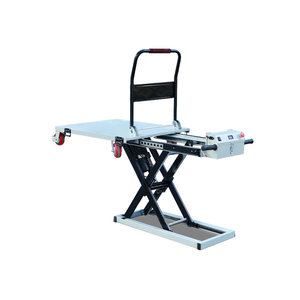
Versatility is paramount. Commercial buyers no longer buy single-purpose vehicles. The future belongs to modular chassis architectures that can switch seamlessly between carrying passengers, hauling heavy cargo boxes, or deploying hydraulic lift equipment (like mobile scissor lift platforms and motorized stair-climber trolleys) on a standardized electric powertrain baseline.