
Engineered for maximum payload efficiency, workplace ergonomics, and seamless intra-facility logistics. Explore our top-tier OEM/ODM manufacturing lineup below.
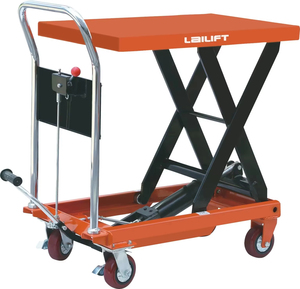
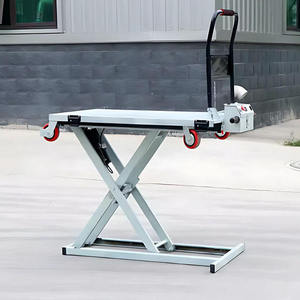
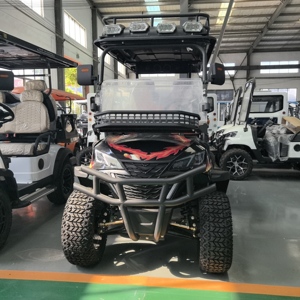
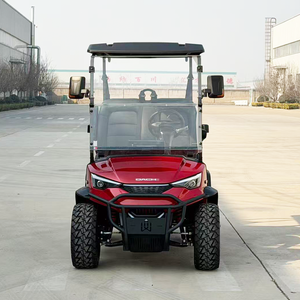
The global material handling equipment sector is experiencing an unprecedented structural shift. Driven by automated warehouse expansion, strict ergonomic regulations, and rapid transition toward zero-emission intra-facility transport, procurement officers are re-evaluating their capital expenditure strategies. As a leading manufacturer and OEM/ODM factory, our engineering research highlights four dominant trends defining the next decade of cargo cart deployment:
Legacy lead-acid units are rapidly being phased out due to high maintenance, toxic off-gassing, and thermal degradation. Modern manufacturing favors Lithium Iron Phosphate (LiFePO4) chemistry with integrated Battery Management Systems (BMS), yielding over 3,500 lifecycle charges and zero battery watering downtime.
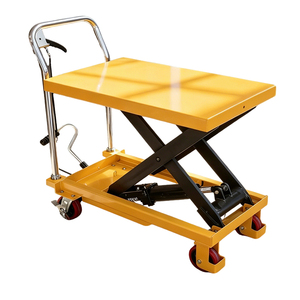
Manual unloading accounts for over 38% of musculoskeletal workplace claims. Procurement standards now prioritize hybrid hand carts featuring electro-hydraulic scissor platforms that maintain load heights automatically, drastically increasing throughput per operator shift.
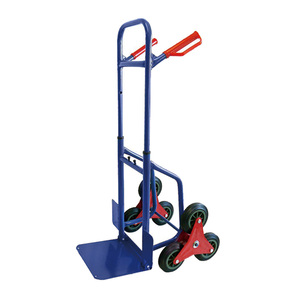
Urban last-mile distribution centers and multi-level facilities require non-standard kinematics. Tri-wheel stair climbing trolley configurations (such as the HT2806A series) distribute vertical torque, enabling single operators to negotiate stairs safely with loads exceeding 200kg.
Furthermore, IoT integration via CAN-bus protocol is transforming standard utility vehicles into smart enterprise assets. Real-time telemetry monitoring cell voltages, thermal stress, hydraulic pressure metrics, and operator duty cycles ensures zero unscheduled operational downtime.
To assist industrial engineers and procurement directors in selecting the optimal platform, the following matrix compares core technical parameters across major cargo trolley categories manufactured at our facility:
| Equipment Category | Payload Range | Drivetrain / Elevation | Power Source | Target Operational Environment |
|---|---|---|---|---|
| Stair-Climbing Hand Trucks | 150kg – 300kg | Manual / Mechanical Tri-Wheel | Human Kinetic / Assist | Multi-story residential, office delivery, tight stairwells |
| Hydraulic Scissor Lift Trolleys | 300kg – 800kg | Foot Pump / Electro-Hydraulic | Hydraulic Fluid / 12V DC | Assembly lines, die changeovers, workstation leveling |
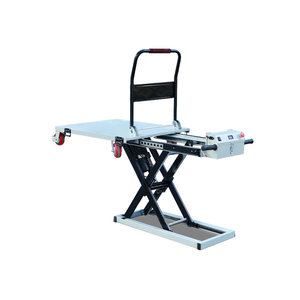
| Lithium Powered Lift Flatbeds | 200kg – 600kg | 5kW AC Motor + Electric Scissor | 173Ah LiFePO4 Battery | Cleanroom logistics, automated fulfillment centers |
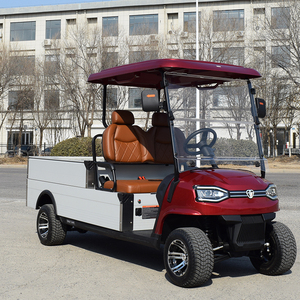
| Heavy-Duty Utility Buggies (LSV) | 500kg – 1200kg | Direct AC Axle Drive + Differential | 48V / 60V Lithium System | Resort logistics, farm estates, outdoor industrial plants |
Rooted in over two decades of precision mechanical engineering and domestic/international assembly expertise, our factory represents the pinnacle of cargo cart production. Unlike suppliers who merely rebrand off-the-shelf components, our manufacturing processes share a single unified engineering workflow under one roof:
Chassis frames are constructed using high-tensile carbon steel tubing welded by multi-axis robotic arms. This ensures zero structural fatigue points and superior torsional rigidity under full payload capacity.
Every hydraulic scissor lift platform undergoes 150% static proof-load testing and dynamic pressure relief valve validation before receiving ISO9001 compliance clearance.
From custom bed dimensions, powder-coating finishes, wheel material selection (solid rubber, polyurethane, pneumatic) to branded touchscreens, our engineering team handles end-to-end custom requests.
Key selection parameters include maximum operational payload, vertical elevation needs (fixed platform vs. scissor lift), surface conditions (smooth epoxy floors vs. stairwells or gravel), and daily duty cycle requirements. For high-frequency lifting, electric hydraulic platforms with LiFePO4 batteries drastically reduce operator strain compared to manual foot pumps.
While lithium-ion systems require a higher initial capital outlay, they achieve total cost of ownership (TCO) parity within 12–14 months. Lithium batteries offer 3x longer cycle life (3500+ cycles), zero maintenance (no distilled water top-ups), support fast opportunity charging during breaks, and weigh significantly less, extending overall vehicle drive duration.
Yes. Our factory specializes in OEM/ODM modifications. We provide custom platform dimensions, ball-transfer table tops, roller conveyor integration, safety guard rails, and custom hydraulic valve tuning for precise position control on automated assembly lines.
We back our commercial equipment with robust structural and powertrain coverage: a 10-year chassis frame warranty, 10-year lithium battery warranty (on 2026 flagship electric platforms), and 3-year bumper-to-bumper component protection. Factory-original spare parts are stocked globally for rapid replacement dispatch.
Many of our utility vehicles (such as 48V/60V lifted buggy models) can be configured as Low-Speed Vehicles (LSVs) or Personal Transportation Vehicles (PTVs) equipped with headlights, tail lights, turn signals, seat belts, and mirrors. Compliance depends on local HOA, municipal, and DMV regulations.
Standard model orders have minimal MOQ thresholds, while custom OEM production runs typically start at 5–10 units depending on customization complexity. Standard manufacturing lead time ranges from 15 to 25 business days, backed by full ISO/CE quality documentation.