
Explore our precision-engineered electric cart platforms, scissor lift trolleys, stair climbers, and passenger PTV/LSVs designed for commercial deployment, warehouse automation, and municipal utility transportation.
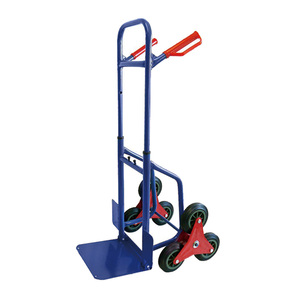
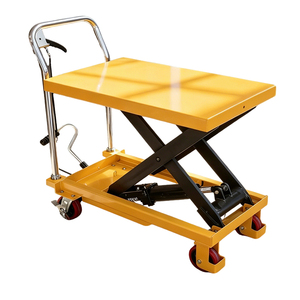
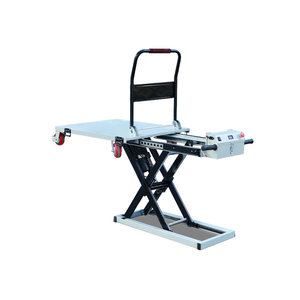
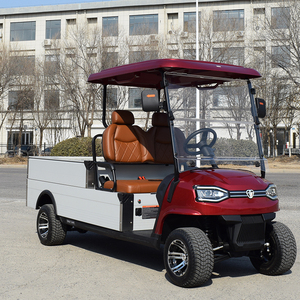
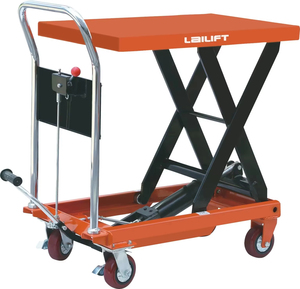
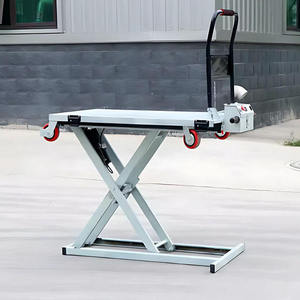
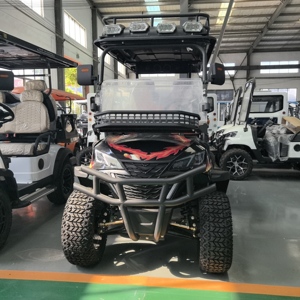
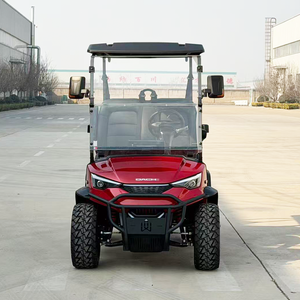
As global industrial operations shift toward zero-emission material handling and smart campus transport, commercial procurement teams face critical decisions regarding drivetrain longevity, battery management integrity, structural frame durability, and regulatory compliance (DOT/LSV/CE).
Unlike legacy 48V brushed DC setups that suffer from brush wear and thermal degradation during constant heavy loading, modern OEM platforms utilize 5kW to 7.5kW AC asynchronous drive motors. Controlled by vector-oriented inverter modules, AC motors deliver instantaneous peak torque from zero RPM, guaranteeing effortless hill start capability under full payload.
Battery failure is the primary point of ROI breakdown in commercial utility cart operations. OEM manufacturing standardizes on 173Ah Lithium Iron Phosphate (LiFePO4) chemistry. Outfitted with active cell balancing, thermal runaway isolation, and CAN-bus diagnostic telemetry, these battery systems deliver over 3,500 full charge cycles while maintaining 80% nominal capacity.
Industrial scissor lift trolleys and lifted 6-passenger buggies require exceptional structural rigidity. Engineering specifications demand robotic MIG-welded high-tensile carbon steel chassis protected by hot-dip galvanization and electro-coated powder finish, passing 1,000-hour neutral salt spray corrosion benchmarks (ASTM B117).
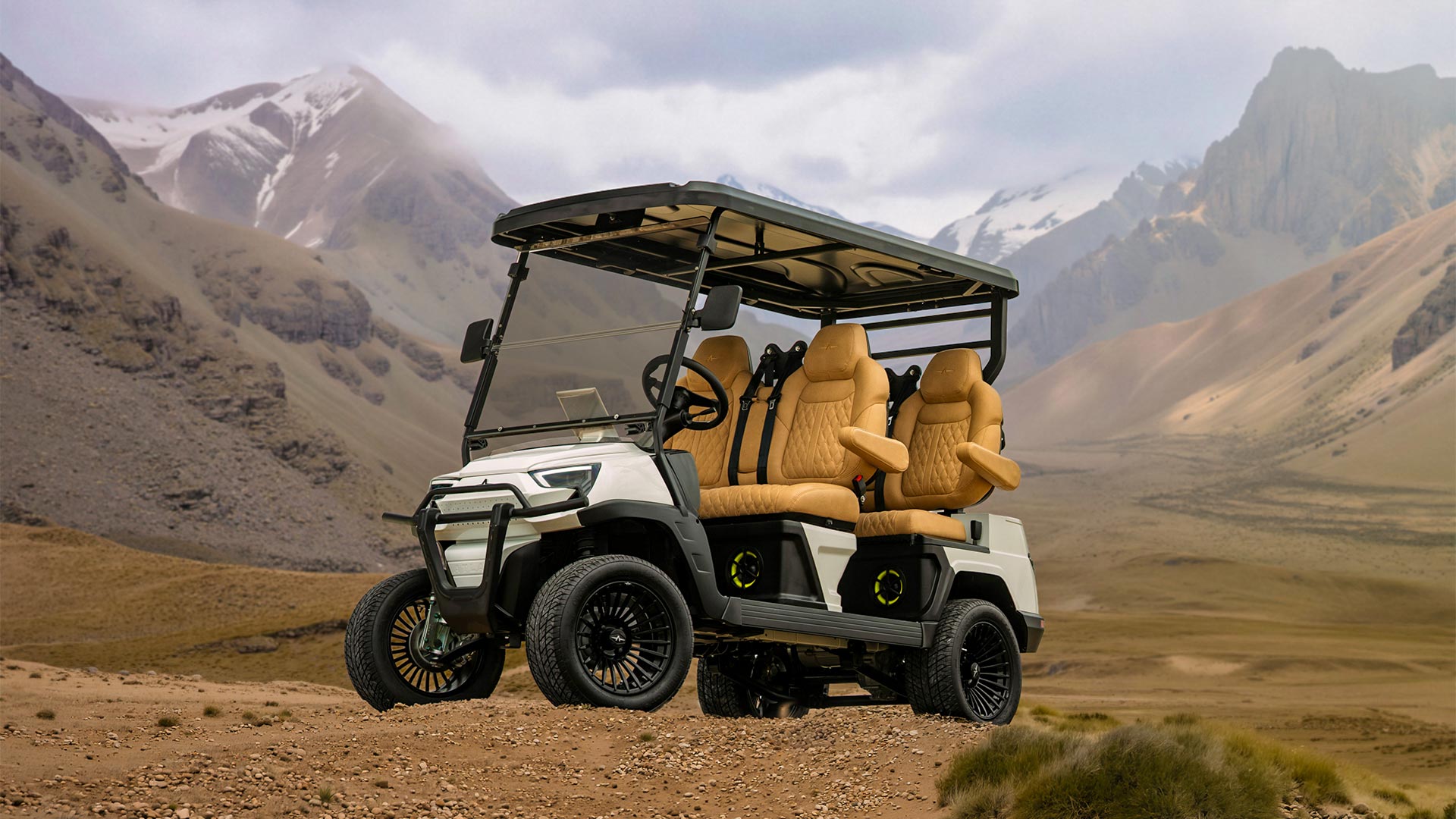
Procuring custom electric carts requires more than simple exterior plastic rebranding. Original Design Manufacturing (ODM) involves complete system-level integration tailored to specific operational environments—including indoor cleanroom handling, steep terrain resort transport, and municipal low-speed road access.
Evaluating vendor capability is critical for enterprise fleets to avoid supply chain disruptions, uncertified safety components, and costly downtime. Review key technical differentiators below:
| Technical Feature / Benchmark | Direct OEM/ODM Factory Standard | Standard Importer / Catalog Broker |
|---|---|---|
| Drivetrain Technology | Brushless 5kW / 7.5kW AC Motor with Regenerative Braking | Legacy Brushed 3.5kW DC Motor (High Maintenance) |
| Battery Architecture | 173Ah Integrated LiFePO4 Pack with Automotive BMS & CAN-Bus | Modular Lead-Acid or Uncertified Off-the-Shelf Lithium Packs |
| Chassis Engineering | Hot-Dip Galvanized Robot-Welded Steel Frame (ASTM B117) | Standard Painted Carbon Steel (Susceptible to Undercarriage Rust) |
| Hydraulic Platform Systems | Dual-Cylinder Proportional Valve Controls & Overload Lockout | Single-Stage Manual Hydraulic Pump (No Safety Overload Protection) |
| Telematics & Display | 12.5-Inch HD Touchscreen Command Center with Live Diagnostic Codes | Basic Analog Voltmeter & Keyed Ignition System |
| Warranty & Supply Chain | 10-Year Battery Warranty & Direct Factory Parts Replacements | 1-Year Limited Warranty with Third-Party Sourcing Delays |
The industrial electric cart market is evolving rapidly under global decarbonization mandates and industrial IoT convergence. OEM procurement directors should align specifications with these emerging technology vectors:
While 48V systems remain adequate for standard golf buggies, industrial utility carts and heavy 500kg lifting platforms are rapidly shifting to 72V and 80V architectures. Higher operational voltage reduces amperage draw by up to 33%, reducing thermal stress on copper windings, extending component longevity, and increasing total battery range per single charge.
Modern commercial deployments rely on embedded IoT hardware units directly connected to the cart’s controller CAN-bus network. Fleet operators can monitor real-time state-of-charge (SoC), cell voltage variance, operator driving habits, and geofenced boundaries, triggering automated service alerts long before critical component failure occurs.
Commercial buyers increasingly demand dual-use capabilities: vehicles that handle property maintenance and travel on public roads between facilities. OEM engineering now integrates safety features by default—including DOT-approved AS1 safety glass windshields, 3-point seatbelts, automotive LED headlights, and 17-digit VIN stamping.
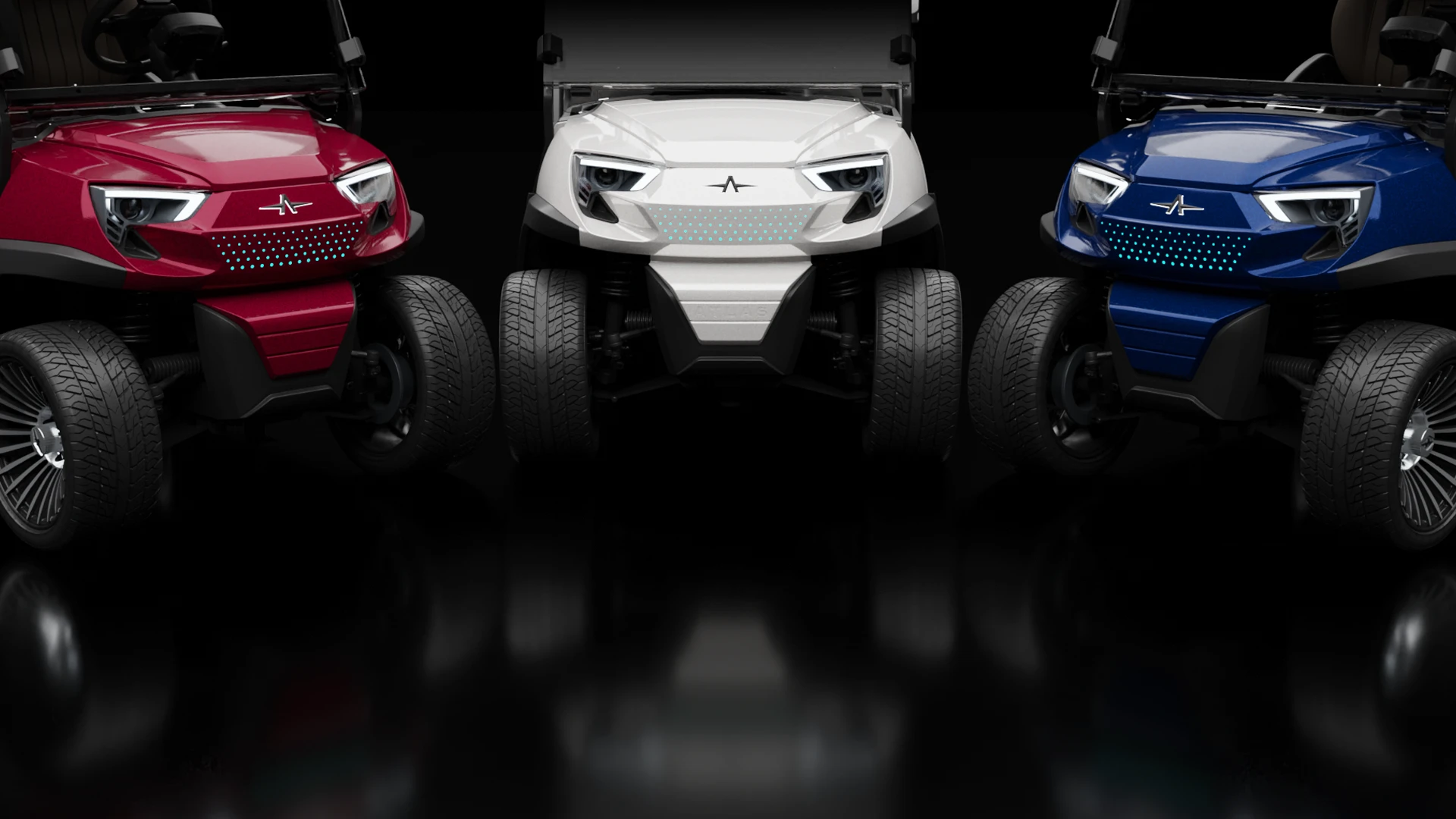
By working directly with an established OEM/ODM manufacturer, commercial buyers bypass the quality traps common in white-label cart procurement. Our platform integration guarantees:
Detailed answers regarding minimum order quantities, custom tooling lead times, battery certifications, and international shipping protocols.
For standard catalog configurations (e.g., HT2806A stair climbers or 500kg hydraulic platform carts), MOQs start at 5 to 10 units. For fully customized ODM chassis, unique body shell tooling, or specialized voltage configurations, MOQ typically ranges from 20 to 50 units depending on tooling complexity.
173Ah LiFePO4 lithium batteries weigh approximately 60% less than equivalent lead-acid banks, charging to 80% capacity within 2 hours vs 8 to 10 hours for lead-acid. Furthermore, lithium batteries do not suffer from sulfation or require water topping, lowering total cost of ownership (TCO) by over 45% over 5 years.
Vehicles can be configured to comply with Low-Speed Vehicle (LSV) standards under Federal Motor Vehicle Safety Standard 500 (FMVSS 500) and EEC Euro-spec homologation. Requirements include DOT seatbelts, certified safety glass, mirrors, turn signals, reflector packages, and a minimum top speed of 25 mph (40 km/h).
Yes. Custom ODM services include non-marking solid polyurethane wheels, 304/316 stainless steel platform decks, explosion-proof electric motors, and sealed food-grade hydraulic oils suitable for pharmaceutical, food processing, and semiconductor manufacturing cleanrooms.
Standard fleet production lead time is 25 to 35 calendar days following engineering drawing sign-off. For bespoke ODM projects requiring custom chassis fabrication, stamp tooling, or unique mold creation, prototype delivery takes 45 to 60 days, followed by full bulk manufacturing.
All OEM/ODM shipments include a recommended 2% fast-moving spare parts package (switches, relays, hydraulic seals). Warranty claims are processed through digital video diagnostic submissions, with factory replacement assemblies shipped via express air freight within 72 hours.
Connect directly with our senior engineering team to review technical specifications, request CAD drawings, calculate volume price brackets, or schedule a virtual live factory assembly walkthrough.
Get a Quote