
Custom exterior body shells, aerodynamic fiberglass platforms, UV-stabilized thermoplastics, and heavy-duty structural replacements manufactured under ISO 9001 and CE quality management.
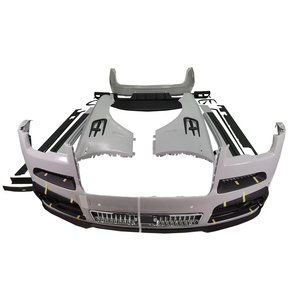
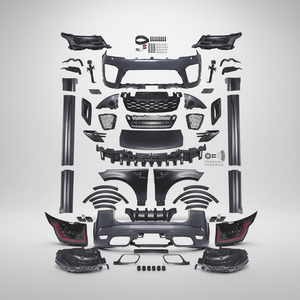
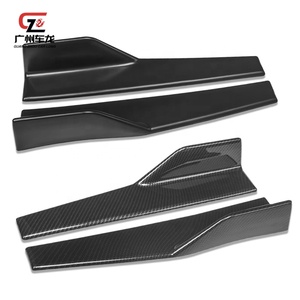
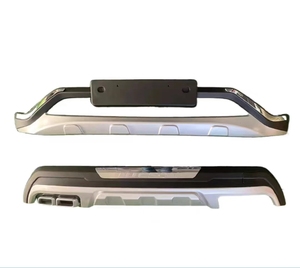
An in-depth analysis of polymer matrix selection, structural CAD integration, and supply chain scalability for global original equipment manufacturers (OEM) and custom original design manufacturers (ODM).
The global light vehicle and electric cart industry is undergoing a structural revolution. Traditional stamped steel panels and heavy aluminum body shells are rapidly being replaced by advanced composite materials, engineered thermoplastics, and ultra-lightweight carbon fiber laminates. For procurement directors, fleet operators, and OEM brand owners, understanding the material science behind cart body manufacturing is no longer optional—it is the core metric that dictates vehicle payload efficiency, battery range performance, corrosion resistance, and total cost of ownership (TCO).
Modern electric cart platforms, such as personal transportation vehicles (PTVs), low-speed vehicles (LSVs), multi-passenger commercial shuttles, and luxury off-road carts, demand structural body components that can withstand extreme environmental degradation. Exposure to harsh UV radiation, marine salt spray, chemical cleaning agents, and high-impact kinetic force requires body shells designed with sophisticated polymer matrices.
"In electric vehicle manufacturing, reducing vehicle curb mass by 10% directly improves usable lithium battery range by 6.8%. The body shell is the single largest surface area component available for weight optimization."
By leveraging modern OEM injection molding, vacuum thermoforming, and resin transfer molding (RTM) processes, contract factories can produce unified, single-piece body cowls that incorporate structural ribbing, wire harness channels, and integrated mounting points for 12.5-inch automotive touchscreen displays and digital dashboards. This level of system integration reduces factory assembly labor time on final production lines by up to 35%.
Selecting the correct substrate matrix depends heavily on production volume, structural load expectations, tooling budget, and surface paint finish standards. Below is a comprehensive engineering comparison across four primary cart body manufacturing materials:
| Material Class | Primary Manufacturing Process | Impact Resistance (Izod) | Tooling Cost / Lead Time | Optimal Production Volume | Recyclability & Sustainability |
|---|---|---|---|---|---|
| Automated High-Pressure Injection Molding | Very High (Ductile Flex) | High ($40k-$120k) / 45-60 Days | High-Volume Mass Production (5,000+ Units) | 100% Recyclable Thermoplastic | |
| Hand Lay-up / Resin Transfer Molding (RTM) | High (Rigid Structural) | Low-Medium ($5k-$18k) / 15-25 Days | Low to Mid-Volume (200-2,000 Units) | Thermoset (Non-Recyclable Matrix) | |
| Heavy-Gauge Sheet Vacuum Forming | Medium-High | Moderate ($15k-$35k) / 25-35 Days | Mid-Volume Fleet Carts (1,000-5,000 Units) | High Thermoplastic Recyclability | |
| Autoclave / Compression Molding | Extreme Tensile Strength | High ($30k-$75k) / 30-40 Days | Niche Sport & Luxury Custom Lines | Downcycle Fiber Recovery Only |
Key architectural and supply chain shifts redefining how original equipment manufacturers source cart bodies between 2026 and 2030.
Next-gen cart body shells are no longer simple aesthetic covers; they are housing enclosures for sophisticated high-voltage electrical architectures. Modern OEM buyers require body cowls designed specifically to house 173Ah high-capacity lithium battery modules, 5kW AC electric drive motors, and high-definition 12.5-inch touchscreen infotainment consoles. Factory designs must incorporate thermal ventilation ducting, water-tight silicone gasket tracks, and localized EMI (electromagnetic interference) shielding inside the mold cavity.
Environmental regulations across Europe and North America (such as EU REACH and US EPA standards) are forcing procurement managers to prioritize suppliers using post-industrial recycled (PIR) resins and bio-based composite matrices. Advanced OEM factories now offer closed-loop scrap recycling, where trim waste from injection molding and thermoforming lines is reground and blended into inner structural floorboards, wheel wells, and subframe support brackets.
To reduce capital expenditure on tooling, leading cart manufacturers are moving toward modular body architecture. Under this model, a single standardized floor pan, dash assembly, and rear body structure can accept interchangeable front cowls, fender flares, and utility bed attachments. This enables brands to offer 2-passenger golf carts, 4-passenger neighborhood PTVs, and 6-passenger lifted resort shuttles from the same core tooling investment.
Traditional post-paint spraying is being replaced by advanced In-Mold Decoration (IMD) and co-extruded acrylic capping techniques. By bonding color-matched films or UV-resistant acrylic coats directly into the mold surface, factories eliminate solvent paint VOC emissions while achieving high-gloss metallic, carbon pattern, or matte finishes that resist chipping, cracking, and fading in harsh climate zones.
Building on decades of combined automotive and utility vehicle engineering expertise to deliver world-class cart body platforms.
Our leadership and tooling engineers bring over seven decades of collective automotive design, crash-simulation modeling, and composite molding experience. We understand exactly where vehicle frames flex, how mounts fail under load, and how to engineer structural longevity into every panel.
Every batch of cart body shells undergoes stringent quality inspection protocols, including Xenon arc weather testing, Izod pendulum impact verification, CMM dimensional measurement, and 1,000-hour salt spray anti-corrosion testing to guarantee compliance for global shipping.
From initial 3D STEP file review, mold flow analysis, and rapid SLA prototyping to aluminum tooling creation and mass robotic production, our facility offers complete end-to-end ODM solutions tailored to your brand's unique design language.
Direct technical answers for supply chain executives, OEM purchasers, and fleet distributors.
For injection-molded PP body panels, tooling design and mold construction typically require 45 to 60 calendar days. Prototype samples (T1 trials) are generated immediately following mold completion for CMM dimensional validation and customer review. For FRP composite body molds, tooling lead times are shorter, averaging 20 to 30 days from final CAD sign-off.
Standard catalog products and stocked replacement body kits have an MOQ as low as 10 to 50 sets. For custom Pantone/RAL color matching, specialized metallic finishes, or proprietary branded injection runs, the typical production batch MOQ is 200 sets per color run to ensure color consistency across automated spray or masterbatch mixing lines.
Export shipments utilize customized heavy-duty corrugated cartons or custom-built metal stacking crates. Individual body cowls are wrapped in anti-scratch PE foam, protected by thermoformed edge protectors, and vacuum-sealed with moisture-absorbent desiccant packs to withstand sea humidity and container transit stress.
Yes. Our secondary 5-axis CNC machining centers enable high-precision robotic cutting of cutouts, headlamp sockets, side mirror mounting holes, camera bezels, and 12.5-inch touchscreen command display enclosures directly following the molding cycle, eliminating manual hand-fitting on your assembly line.
Every production lot includes a Certificate of Analysis (COA) detailing raw resin material grade, UV stabilization rating, impact test results, and dimensional inspection reports. Full compliance documentation for CE, RoHS, REACH, and ISO 9001 quality audits is available upon request.
All custom tooling paid for by the client is 100% the intellectual property (IP) and physical asset of the client. Molds are protected under formal Non-Disclosure and Tooling Agreements (NDA), ensuring your proprietary designs are strictly protected and never offered to third-party competitors.
Request our comprehensive 2026 product catalog, raw material engineering datasheets, and factory tooling price lists. Connect directly with our Senior Engineering Team.