
Engineered for extreme dynamic loads, high wear resistance, and seamless integration into industrial trolleys, scissor lift platforms, and electric utility carts.
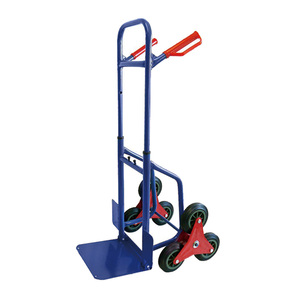
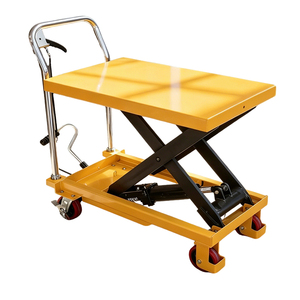
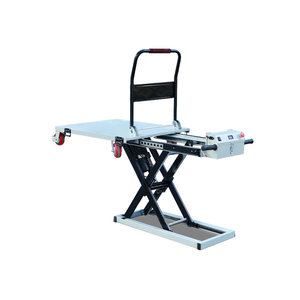
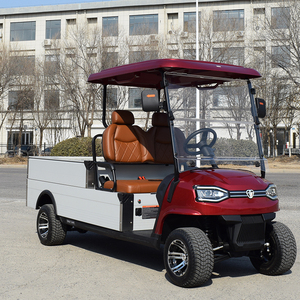
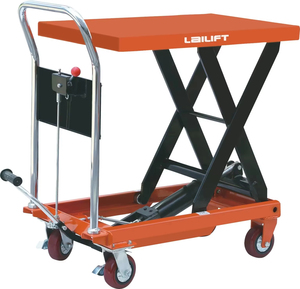
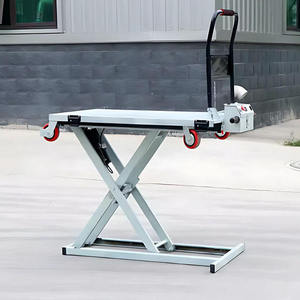
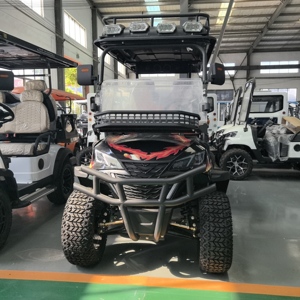

In modern industrial logistics, automated warehousing, and personal transportation vehicle (PTV) manufacturing, wheel engineering is no longer a passive hardware component—it is a critical failure point and performance multiplier. As global supply chains demand higher dynamic load capacities, reduced rolling resistance coefficients ($C_{rr}$), and extended operating life under severe mechanical duty cycles, tier-1 OEMs require bespoke wheel manufacturing solutions.
As a specialized custom OEM cart wheel manufacturer and global exporter, our engineering methodology bridges advanced polymer chemistry, metallurgy, and precision bearing integration. This whitepaper analyzes critical material selection frameworks, mechanical failure modes in heavy-duty applications, global procurement trends, and rigorous quality assurance protocols required for enterprise-level procurement.
Selecting the correct tread matrix directly impacts energy consumption, noise reduction (dB ratings), floor wear, and load deflection metrics. Industrial trolley carts, hydraulic scissor lifts, and electric utility vehicles operate under starkly different kinematics. Below is an engineering comparison matrix for OEM technical specification selection:
| Performance Metric | CPU Polyurethane (95 Shore A) | High-Elastic Vulcanized Rubber | Cast Iron / Forged Steel | Thermosetting Solid Polymer |
|---|---|---|---|---|
| Dynamic Load Capacity | Extreme (500kg - 3,500kg/wheel) | Moderate (100kg - 600kg/wheel) | Ultra-Extreme (5,000kg+) | High (400kg - 1,800kg/wheel) |
| Rolling Resistance ($C_{rr}$) | Very Low (0.015 - 0.022) | Moderate to High (0.035 - 0.050) | Ultra-Low (0.005) | Low (0.020 - 0.028) |
| Debris/Chip Rejection | Superior (Resistant to embedded metal) | Fair (Prone to tearing under load) | None (Destroys floor surface) | High |
| Floor Protection Index | High (Non-marking / Non-staining) | High (Non-marking options) | Zero (Requires heavy steel plates) | Moderate to High |
| Operating Temp Range | -20°C to +80°C | -40°C to +90°C | -50°C to +300°C | -30°C to +120°C |
Off-the-shelf catalog wheels consistently fail when deployed in high-stress custom machinery. Industrial OEM applications demand tailored mechanical geometry to handle non-linear loads:
Our manufacturing plant enforces a closed-loop quality management system certified under ISO 9001:2015 and compliant with ANSI/ITSDF industrial vehicle safety mandates. Every custom OEM wheel project progresses through four strict validation milestones:
Finite Element Analysis simulates static load limits, lateral cornering stress, and thermal expansion across the wheel hub.
In-house CNC mold production for custom tire profiles, wheel hub keyways, and special bearing cavity tolerances.
Automated polyurethane casting under vacuum degasification, followed by micro-controlled thermal oven post-curing.
100% batch testing on drum testers for rolling resistance, wear coefficient, continuous speed thermal buildup, and impact shear strength.
Key technological shifts reshaping B2B wheel procurement for utility vehicles, material handling equipment, and specialized logistics carts through 2030.
Future industrial wheel assemblies will incorporate embedded wireless pressure and temperature micro-sensors. These sensors transmit real-time telemetry to vehicle fleet management systems, predicting bearing breakdown and tread degradation before costly operational downtime occurs.
Environmental regulations (REACH/RoHS compliance) are driving demand for bio-based polyols in polyurethane formulations and 100% recyclable lightweight aluminum rim alloys. Our facility leads the industry in low-carbon manufacturing processes for global exports.
Procurement teams are shifting away from long lead-time custom tooling. By leveraging standardized interchangeable core hubs with customizable outer tire profiles, our factory cuts OEM sample development cycles from months to days.
Decades of dedicated mobility engineering, vertical manufacturing integration, and global exporting expertise.
From initial raw polymer mixing and precision aluminum hub die-casting to automated robotic CNC machining and final load assembly, every stage takes place in-house for complete quality control.
Backed by industry-leading warranties—including up to 10-year battery/drivetrain system alignment options on complete electric cart assemblies and lifetime structural hub integrity guarantees.
Established supply routes servicing over 45 countries across North America, Europe, and Asia-Pacific. Fully compliant with international customs requirements, CE certifications, and ISO standards.
Direct answers to technical, operational, and supply chain queries commonly raised by enterprise buyers.