
Explore high-performance electric vehicles, hydraulic lift trolleys, and heavy-duty transport platforms engineered with precision motor controllers.
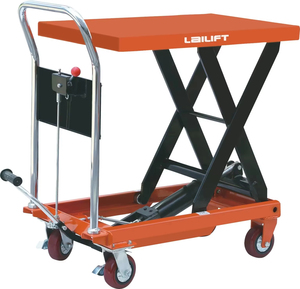
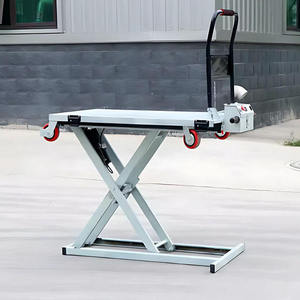
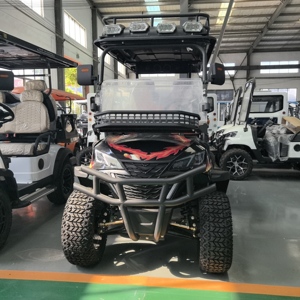
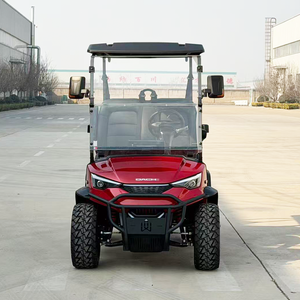
The global electrification landscape across low-speed electric vehicles (LSVs), personal transportation vehicles (PTVs), electric golf carts, and heavy-duty industrial material handling carts has undergone a structural paradigm shift. At the epicenter of this transformation is the motor controller—the electronic brain that manages power delivery, regenerative braking torque, thermal dynamics, and battery optimization between the energy storage system and the electric drive motor.
Historically, global electric vehicle assemblers relied heavily on legacy Western electronics providers. However, China’s rapid establishment of an end-to-end electric drivetrain ecosystem has redefined global sourcing benchmarks. Today, top Chinese motor controller manufacturers integrate modern Field-Oriented Control (FOC) vector algorithms, Silicon Carbide (SiC) MOSFET switching devices, and CAN-bus J1939 automotive protocol architectures to deliver unprecedented power densities at competitive total cost of ownership (TCO).
Information Gain Insight: Modern motor controllers are no longer standalone power switches; they function as integrated powertrain control units (PCUs) that interface simultaneously with Lithium Battery Management Systems (BMS), vehicle telemetry, hill-hold electronic braking systems, and high-resolution digital cockpit displays.
When specifying motor controllers from Chinese manufacturers for commercial vehicle platforms, procurement officers and engineering directors must evaluate the underlying motor technology. The three predominant motor/controller pairings governing the market today include:
| Technology Type | Efficiency Peak | Torque Characteristics | Thermal Performance | Ideal Application |
|---|---|---|---|---|
| AC Induction (Asynchronous) | 92% - 94% | Smooth low-speed control, reliable hill holding | High thermal tolerance, passive cooling suitable | Standard 48V Golf Buggies & Lifted Utility Trucks |
| PMSM (Permanent Magnet Synchronous) | 96% - 98.5% | Instantaneous peak torque, high power density | Requires active thermal management / heatsink optimization | High-speed LSVs, 60V-72V 6-Seater Lifted Carts |
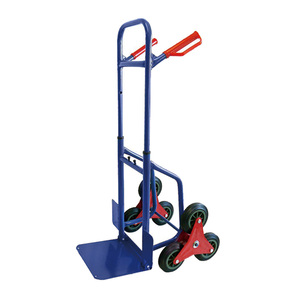
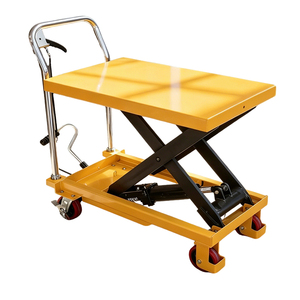
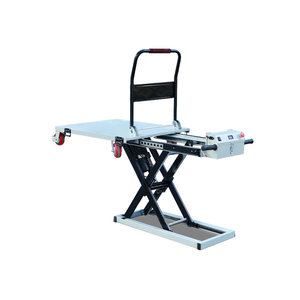
| BLDC (Brushless DC) | 88% - 91% | Step-wise torque curve, trapezoidal control | Moderate heat buildup in controller switching FETs | Scissor Lift Tables, Stair Climbing Hand Trucks, Light Platform Carts |
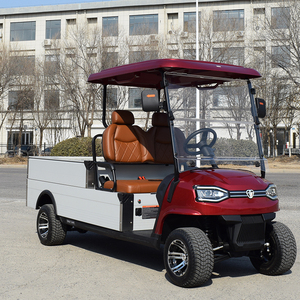
For high-demand applications—such as the Atlas MAX 6-Passenger Lifted Cart or customized DC-H-F2+2 4-Seater Buggies—the industry has largely transitioned from brushed DC motors to 5kW to 7.5kW AC Synchronous and PMSM platforms. These systems utilize Field-Oriented Control (FOC) algorithms that continuously calculate three-phase stator current vectors, suppressing torque ripple and delivering ultra-smooth acceleration across varying inclines.
To maintain market leadership, China's elite motor controller manufacturers are pioneering several critical technology frontiers:
By replacing traditional Silicon IGBTs with Silicon Carbide (SiC) MOSFETs, modern controllers achieve switching speeds exceeding 20kHz with 60% lower switching losses. This enables smaller heatsink footprints and increases total range by 6% to 8% per charge cycle.
Advanced regenerative braking control loops capture kinetic energy during deceleration, converting it into charge for 173Ah lithium battery packs. Intelligent electronic hill-hold prevents unwanted vehicle roll-back on 30% grade slopes without mechanical brake wear.
Modern controllers transmit real-time telemetry (FET temperature, rotor position, error diagnostics, voltage sag) over CANopen protocols directly to 12.5-inch automotive-grade smart touchscreen displays, eliminating diagnostic ambiguity.
When conducting global OEM procurement, evaluating a motor controller supplier requires strict adherence to technical and operational verification criteria. Relying solely on unit cost creates downstream risks in field failure rates, warranty claims, and regulatory non-compliance.
Engineers and buyers should evaluate Chinese manufacturers against four pillars of corporate capability:
As golf cart manufacturers, resort fleet operators, and industrial logistics providers evaluate their 2026-2030 procurement roadmaps, several overarching supply chain strategies have emerged:
A. Modular Drivetrain Kits vs. Component Sourcing: Leading OEMs are stepping away from sourcing motors, controllers, gearboxes, and wiring harnesses from separate vendors. The preferred model is procuring fully matched, factory-calibrated drivetrain packages—such as a 5kW AC synchronous motor paired with a pre-programmed 350A FOC controller and matching digital dashboard interface.
B. Transition to 60V and 72V Architectures: While 48V remains the standard for lightweight 2-passenger golf carts, 60V and 72V systems are rapidly dominating the 4-seater and 6-seater lifted utility segments (e.g., Atlas MAX and Top 4-Seater Lifted Cart). Higher system voltages reduce current draw for the same power output, minimizing copper wire gauge requirements, reducing resistive heat losses, and extending motor controller life.
C. Custom Hydraulic & Lifting Integration: For material handling products such as Hydraulic Platform Lifting Hand Carts and Electric Scissor Lift Tables (200kg-500kg), multi-channel micro-controllers now manage both traction drive and proportional hydraulic lift solenoids in a single compact module, lowering vehicle chassis assembly complexity.
Decades of specialized experience building high-reliability electric drive solutions for commercial and personal transportation.
Our technical development team consists of drivetrain veterans who have engineered platforms for top global golf cart brands. We design hardware and software in tandem to prevent field failures.
Every controller and electric platform undergoes 100% full-load dyno testing, thermal shock cycling (-40°C to +85°C), and water submersion testing to ensure long-term reliability.
From custom CAN-bus command strings and custom acceleration curves to tailored hydraulic control logic for scissor lifts and stair climbers, we provide full software calibration support.
Essential guidance for engineering managers, fleet buyers, and prospective distributors.
While legacy brands like Curtis offer established software ecosystems, leading Chinese FOC motor controllers provide equivalent or superior processing power using 32-bit ARM Cortex microcontrollers, integrated Bluetooth telemetry, direct lithium BMS integration, and significantly lower OEM unit costs with shorter production lead times.
Yes. Controllers can be flashed with dual-mode firmware configurations. This allows restricted speeds (e.g., 20 mph / 32 km/h) for standard turf/neighborhood use or unlocked speeds (up to 25–35 mph) for registered Low-Speed Vehicles (LSV) compliant with DOT and local DMV standards.
Our controllers feature real-time CAN communication with the LiFePO4 BMS. If battery cell temperatures fall below safe charging thresholds or voltage sag approaches critical low limits under heavy load, the controller dynamically caps peak current output to prevent cell degradation or catastrophic thermal trips.
Standard commercial shipments include a comprehensive 3-year bumper-to-bumper electronics warranty, up to a 10-year warranty on lithium-ion battery modules, and lifetime structural chassis coverage on selected 2026 fleet models.
Standard catalog samples ship within 7 working days. Customized OEM vehicle batches (with custom gear ratios, controller tuning, paint finishes, and branding) typically require a 25-to-35 day production cycle from engineering sign-off.