
High-performance OEM & ODM platforms engineered for resort hospitality, industrial material handling, personal mobility, and commercial off-road applications.
The global demand for custom electric buggies, personal transportation vehicles (PTVs), low-speed vehicles (LSVs), and specialized industrial electric handling trolleys has undergone a paradigm shift over the past five years. International commercial buyers, fleet operators, golf course management firms, and OEM distributors are no longer seeking basic assembly facilities. Instead, global purchasing directors require strategic partners capable of delivering advanced mechanical engineering, automated chassis fabrication, custom lithium battery integration, and rigorous international safety compliance (DOT, EEC, CE, ISO9001).
As China solidifies its position as the world's apex manufacturing hub for electric mobility solutions, selecting the right custom buggy manufacturer in China requires looking far beyond surface-level wholesale pricing. True procurement optimization lies in evaluating a factory’s internal R&D architecture, component vertical integration, automotive-grade cathodic electrophoresis coating capabilities, and proprietary Battery Management System (BMS) customization capabilities.
Leading Chinese custom buggy manufacturers have transitioned from low-cost manual assembly to smart digital factories. The top-tier manufacturing facilities incorporate critical engineering standards that guarantee long-term operational durability and reduced Total Cost of Ownership (TCO):
Standardizing 173Ah and 200Ah high-density lithium power packs paired with automotive-grade BMS, offering 3,500+ charge cycles, zero maintenance, and real-time CAN-bus diagnostics.
Transitioning from legacy DC motors to 5kW, 7.5kW, and 10kW AC induction motors controlled by Curtis or Enpower vector controllers, delivering 25%+ hill-climbing torque and regenerative braking.
Heavy-duty robotic welded high-tensile steel or light-weight aluminum alloy chassis treated with hot-dip galvanization and electrocoating to survive harsh coastal and industrial environments.
Modern B2B procurement strategies mandate matching specialized equipment to exact operational environments. Top Chinese factories produce customized buggies spanning multiple functional categories:
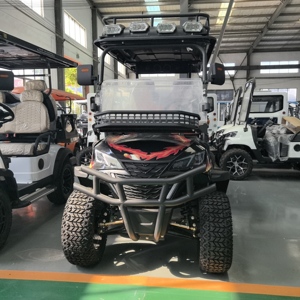
Custom lifted buggies (such as 4-seater and 6-seater 60V/72V lifted carts) are engineered for rough off-road terrain, hunting grounds, resort tours, and master-planned residential communities. Key engineering upgrades include independent double A-arm front suspension with adjustable coil-over hydraulic shocks, 12-inch to 14-inch aluminum rims fitted with off-road pneumatic tires, hydraulic four-wheel disc brakes, and integrated roll cages.
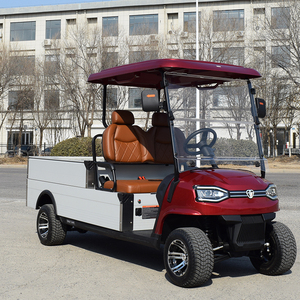
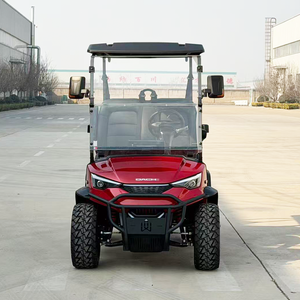
For municipal sanitation, resort logistics, campus maintenance, and cargo transit, custom utility buggies feature durable hydraulic tipping cargo boxes, heavy payload capacity (up to 1,000 kg), and modular chassis options. Incorporating low-speed vehicle safety packages—such as LED projector headlights, side turn indicators, seatbelts, three-point harnesses, and rear backup cameras—ensures street-legal compliance in regulated jurisdictions.
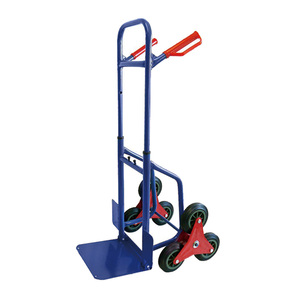
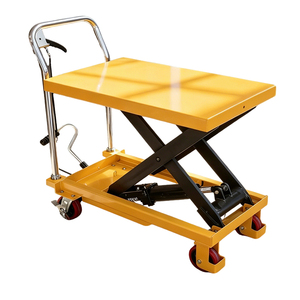
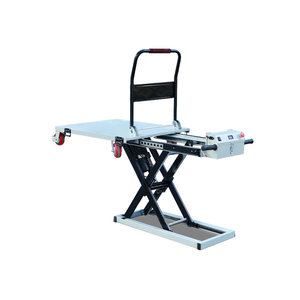
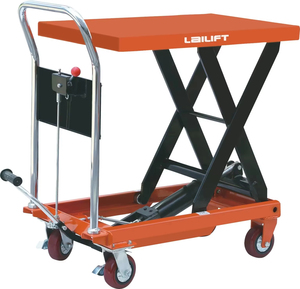
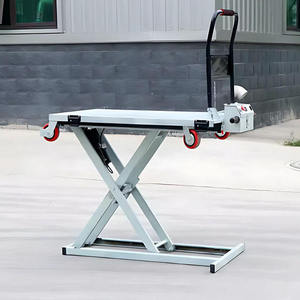
Beyond passenger buggies, top custom manufacturers excel in industrial ergonomics. Electric scissor lift trolleys and heavy-duty stair climbing carts represent specialized material handling solutions. Utilizing smooth hydraulic lifting cylinders driven by 24V/48V lithium systems, these platforms allow operators to effortlessly transport 200kg to 500kg payloads to variable heights up to 90cm, drastically reducing workplace back injuries and increasing warehouse operational throughput.
Forward-thinking supply chain managers must stay ahead of technological innovations and regulatory shifts when negotiating multi-year supply contracts with Chinese buggy OEMs. The following key macro trends are shaping the future of custom buggy manufacturing:
Future custom buggies are evolving into connected IoT terminals. Tier-1 OEM factories now embed 4G telematics modules and 12.5-inch HD touchscreen dashboards directly into the vehicle's electrical architecture. Fleet managers can monitor battery State of Charge (SOC), track GPS geofencing locations, lock/unlock vehicles remotely, analyze driver behavior, and execute over-the-air (OTA) firmware diagnostics, reducing fleet downtime by up to 40%.
Freight logistics costs significantly impact the final landed unit price of imported buggies. To optimize shipping container space, advanced factories are re-engineering buggy frames into modular assemblies. Complete Knocked Down (CKD) and Semi Knocked Down (SKD) packaging frameworks allow importers to fit up to 300% more units into a standard 40ft High Cube (HQ) container, lowering ocean freight expenses per unit dramatically.
Traditional automotive factories require massive minimum order quantities (MOQs) for custom body molds. Modern Chinese buggy factories utilize 3D scanning, rapid CNC tooling, and thermoformed ABS body panel manufacturing to offer custom OEM solutions—such as bespoke body paint colors, branded vinyl wraps, specialized utility box dimensions, and custom seating configurations—at low MOQs for regional distributors.
Sourcing directly from tier-1 Chinese custom buggy factories provides international distributors, rental operators, and commercial enterprises with distinct operational and economic leverage:
Leveraging China's comprehensive battery and motor supply chain enables delivery of fully optioned lithium buggies (with touchscreen, AC motor, and custom seats) at the cost of competitor entry-level models.
Every customized vehicle undergoes 100% full-load climbing tests, water-spray leak testing, battery discharge cycle validation, and electronic system burn-in before export clearance.
Tier-1 factories guarantee replacement part availability (controllers, motors, body panels, chargers) with rapid express dispatch, maintaining high fleet uptime for global buyers.
Clear, definitive answers to common technical and commercial questions encountered during the procurement process:
Standard OEM custom configurations usually start at 2 to 4 units for initial sample evaluation. For fully custom mold design or proprietary chassis specifications, factory MOQs typically range from 10 to 20 units depending on component complexity.
Yes. Custom buggies can be engineered to comply with US Low Speed Vehicle (LSV) DOT FMVSS 500 standards or European EEC/COC L7e regulations. Importers must specify required street-legal packages (VIN numbers, seatbelts, safety glass windshield, mirrors, and lighting) during contract drafting.
Lithium (LiFePO4) batteries provide up to 3 times longer service life (3,500+ cycles vs. 800 cycles), weigh 60% less, charge 50% faster, require zero maintenance or water filling, and maintain full power output throughout the discharge cycle without speed voltage drop.
Standard production lead time ranges from 15 to 25 business days following deposit confirmation and technical drawing approval. Specialized hydraulic lifting carts or customized utility trucks may take 30 to 35 days depending on component availability.
Reputable Chinese manufacturers provide up to 5-10 years warranty coverage on lithium battery packs, 3 years on AC drive motors and controllers, and lifetime warranty coverage on main chassis structural frames.
All exported lithium-powered buggies include full international UN38.3, MSDS, and Sea Freight Dangerous Goods (DG) compliance certifications, ensuring smooth customs clearance at destination ports worldwide.
Connect directly with our senior engineering team to request factory pricing, technical specifications, OEM customization blueprints, and bulk logistics quotes.