0%

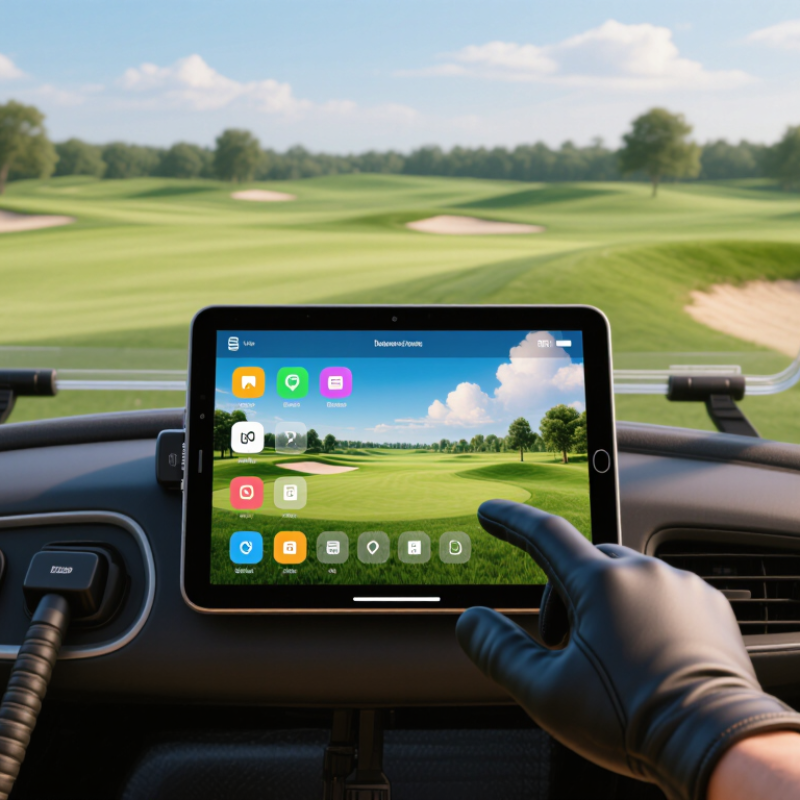
Choosing among the top golf cart touchscreen display suppliers requires more than comparing screen size and wholesale prices. A reliable supplier should understand golf cart environments, including vibration, sunlight, moisture, dust, and limited dashboard space. The best golf cart touchscreen display should remain readable under bright outdoor light. It should also respond accurately when users wear gloves or operate the cart over uneven ground.

This introduction examines suppliers through practical and technical factors. These include display brightness, viewing angles, touch sensitivity, operating temperature, waterproof protection, and mounting flexibility. It also considers software compatibility, wiring quality, warranty terms, production capacity, and after-sales support. Suppliers with documented testing procedures usually provide stronger confidence than companies offering attractive samples without technical records. Clear communication matters too. Small details often reveal manufacturing discipline.

A polished demonstration is not enough. A screen may look impressive indoors but perform poorly beside a sunny fairway. That difference deserves attention. Real installation feedback, product certifications, sample testing, and customer references can help buyers judge actual performance. No supplier is perfect, and even experienced manufacturers may require design adjustments for specific cart models. Buyers should ask precise questions about brightness, sealing, connector durability, updates, and replacement parts. Practical evidence remains more valuable than broad marketing claims. This guide offers a balanced starting point for identifying capable suppliers and avoiding costly assumptions. The final choice should match the cart’s purpose, operating conditions, budget, and expected service life.

Top Golf Cart Touchscreen Display Suppliers

Golf Cart Touchscreen Display Types: 7–10-Inch Sizes and 12–48V Power Systems

Top Golf Cart Touchscreen Display Suppliers

Golf cart displays now need more than attractive graphics. The right unit must match vehicle voltage, cabin exposure, and driver behavior. MarketsandMarkets’ 2024 golf cart market analysis projects continued expansion through 2029, increasing demand for integrated digital controls. That growth makes display reliability a purchasing issue, not a decoration.

Seven-inch screens suit compact dashboards and leave space for switches. Ten-inch screens improve map visibility, but they need stronger mounting and brighter backlights.

For power, a 12–48V input range supports many low-speed electric vehicles, utility carts, and fleet platforms. However, nominal voltage can mislead. A “48V” battery may exceed 50V after charging. Use a regulated converter, reverse-polarity protection, and surge filtering.

The 2024 Global Market Insights report identifies fleet connectivity and display integration as key development areas, although its market definitions vary. That limitation deserves attention.

Tips:

Test the screen outdoors at midday. Check operation with wet gloves. Confirm readable brightness, IP protection, viewing angle, and startup behavior at both low and high battery voltage. A seven-inch unit may be enough. Bigger is not always better. Leave room for ventilation and service access. Also request real test data, not only laboratory claims. A supplier that explains failure rates, temperature testing, and warranty exclusions shows stronger technical credibility. Minor oversights here can become expensive field repairs.

Key Display Specifications: 1,000+ Nit Brightness, Capacitive Touch, and IP65 Ratings

Top Golf Cart Touchscreen Display Suppliers

Golf cart displays face harsh sunlight, dust, vibration, and sudden rain. A 1,000+ nit panel keeps maps and battery readings visible under bright midday conditions. A 2024 automotive display market report identifies sunlight readability as a major purchasing factor. This matters on open vehicles, where shade is rarely guaranteed. Higher brightness also increases heat and power demand. Suppliers should show measured brightness, not only a marketing maximum.

Capacitive touch supports familiar taps and swipes, even with light gloves. However, wet fingers can reduce accuracy. Engineers should test the panel with water droplets, polarized sunglasses, and uneven hand pressure. The IEC 60529 standard defines IP65 as dust-tight protection and resistance to water jets. It does not guarantee protection against immersion. This distinction is easy to miss. I would also request vibration testing, operating-temperature data, and touch performance after repeated outdoor exposure. No specification is perfect, and real carts often exceed laboratory assumptions.

Tips: Ask suppliers for sunlight photos, IP test evidence, and a complete brightness measurement method. Confirm whether 1,000 nits describes the whole screen or only its center. Check whether the touch controller supports wet-touch rejection. Review warranty exclusions for moisture, impact, and heat. A short field trial can reveal more than a polished datasheet.

Supplier Evaluation Criteria: CAN Bus Support, GPS Integration, and 2–5-Year Warranty

Top Golf Cart Touchscreen Display Suppliers

A capable supplier should prove CAN Bus support, not merely list it. CAN Bus lets the display read speed, battery voltage, motor temperature, and fault codes. Ask for supported protocols, message maps, and a working demonstration. ISO 11898 defines CAN communication principles, but practical compatibility still depends on each vehicle’s controller. Grand View Research estimates the global golf cart market will expand steadily through 2030, increasing demand for reliable digital dashboards. Growth alone does not guarantee quality.

GPS integration should support stable positioning, fast cold starts, and visible signal status. Request details about antenna placement, update frequency, offline maps, and location accuracy. The U.S. Department of Transportation notes that civilian GPS performance can vary with environment and signal conditions. A supplier promising perfect accuracy is not being realistic. I would test the unit beside buildings, under tree cover, and on uneven terrain. The screen should remain readable in direct sunlight and respond with wet or gloved fingers.

Tips: Require a written warranty lasting two to five years. Confirm coverage for the display, touch layer, GPS module, and CAN interface. Ask whether firmware updates remain available during the warranty period. Keep test records, including boot time, screen brightness, and fault-code behavior. A 2024 MarketsandMarkets mobility electronics report highlights software integration as a growing purchasing factor. Still, reports describe trends, not every supplier’s field performance. One overlooked issue is service speed. A strong supplier should provide replacement procedures, diagnostic support, and clear repair timelines.

Top Golf Cart Touchscreen Display Suppliers by OEM, Aftermarket, and Fleet Use

For OEM golf cart programs, touchscreen display suppliers must support stable integration, not just attractive screens. Engineering teams usually check mounting depth, connector design, voltage range, and communication protocols before approving samples. A display should remain readable under direct sunlight and respond with gloved or damp fingers. That sounds obvious. It is often missed. Suppliers with documented validation records offer stronger evidence than polished sales claims. They should explain temperature testing, vibration testing, and warranty handling in plain language.

Aftermarket buyers need flexible fitment and clear installation guidance. A replacement unit may face older wiring, limited dashboard space, or inconsistent power delivery. Suppliers should provide harness diagrams, mounting dimensions, firmware procedures, and practical troubleshooting steps. I prefer suppliers that publish measured brightness, touch latency, and operating temperature data. Photos alone prove little. Some displays look excellent indoors but wash out on a sunny course. That weakness deserves honest attention before purchase. Compatibility should be checked against each cart model, not assumed from a universal label.

Fleet operators judge displays differently. They need centralized configuration, quick replacement, readable status information, and dependable operation across many vehicles. A supplier should offer batch testing, serial tracking, spare-unit planning, and responsive technical support. Fleet dashboards may also require usage data, service alerts, or route information, depending on the deployment. Security controls and user permissions matter when connected features are enabled. I would still request a small pilot. Real carts reveal loose connectors, heat buildup, and confusing menus faster than a showroom demonstration. Cost matters, but downtime often costs more.

Compliance and Installation Standards: Waterproofing, EMC Testing, and 12/24/48V Compatibility

Choosing among top golf cart touchscreen display suppliers requires more than comparing screen size and brightness. Compliance begins with waterproofing. A display should have a documented ingress protection rating, sealed housing, and corrosion-resistant connectors. In practical installations, water often enters through cable joints, not the screen surface. Inspect the gasket after tightening.

EMC testing is equally important. A display should withstand electromagnetic interference from motors, chargers, relays, and nearby communication devices. Ask for test reports covering emissions and immunity. During installation, route signal cables away from high-current motor wires. Use shielded cables where recommended, and connect grounding points carefully. Small wiring shortcuts can create flickering, touch errors, or unexpected reboots.

Voltage compatibility needs close attention. A dependable unit should support the cart’s stated 12V, 24V, or 48V system through a suitable regulated input or converter. Never assume that a wide-voltage label removes the need for protection. Install the correct fuse near the power source, verify polarity, and measure voltage during charging. A 48V cart can produce damaging transients. Real workshops also face loose terminals and imperfect grounds. A careful supplier should provide wiring diagrams, operating limits, installation torque guidance, and test procedures. Documentation is useful, but field verification still matters.

FAQS

What screen size suits a golf cart dashboard?

Seven-inch screens fit compact dashboards and leave room for switches. Ten-inch screens make maps easier to read. Bigger is not always better.

What power range should the display support?

A 12–48V input range suits many electric carts and utility vehicles. A charged 48V battery may exceed 50V. Use voltage regulation and surge protection.

How bright should the touchscreen be?

Choose at least 1,000 nits for strong midday sunlight. Ask for measured brightness across the entire screen, not only its center.

Does an IP65 rating make the display waterproof?

IP65 protects against dust and water jets. It does not guarantee safe immersion. Avoid assuming rain resistance covers every outdoor situation.

How should touchscreen performance be tested?

Test it outdoors at noon, with wet gloves and light water droplets. Try polarized sunglasses and uneven finger pressure. Test it repeatedly.

What should suppliers prove about CAN Bus support?

Request supported protocols, message maps, and a working demonstration. The display should read speed, battery voltage, temperature, and fault codes.

What GPS features deserve attention?

Check cold-start time, antenna placement, update frequency, offline maps, and location accuracy. Test under trees, beside buildings, and on uneven ground.

What warranty and service terms are reasonable?

A two-to-five-year warranty is useful. Confirm coverage for the screen, touch layer, GPS module, and CAN interface. Ask about repair timelines.

Why should installation space include ventilation and service access?

Bright screens create heat and consume more power. Leave room around the unit for cooling and replacement work. Small oversights become costly repairs.

What supplier evidence matters most?

Request sunlight photos, vibration data, temperature tests, failure rates, and warranty exclusions. Polished specifications can still hide weak field performance. Test records matter more.

Conclusion

Choosing the right golf cart touchscreen display requires balancing screen size, power compatibility, durability, and connectivity. Common options range from 7 to 10 inches and support 12V, 24V, or 48V electrical systems. Important specifications include brightness above 1,000 nits for outdoor visibility, responsive capacitive touch technology, and an IP65 rating for protection against dust and water. Buyers should also assess CAN Bus support, GPS integration, viewing angles, interface flexibility, and warranty coverage of approximately two to five years.

Supplier selection should reflect the intended application, whether it is OEM integration, aftermarket upgrading, or fleet management. Reliable products should offer secure mounting, waterproof construction, electromagnetic compatibility testing, and clear installation guidance for different voltage systems. Evaluating wiring, software compatibility, operating temperature, technical support, and long-term parts availability can help ensure dependable performance. A suitable display should improve navigation, vehicle monitoring, and user interaction while remaining safe, durable, and practical in demanding outdoor environments.

Audrey

Audrey

Audrey is a dedicated marketing professional with a strong understanding of the company’s products, services, and customer-focused approach. With a talent for transforming complex information into clear, useful insights, she regularly contributes professional articles to the company website,......