Choosing the right low speed vehicle starts with the route, not the showroom.
A quiet campus shuttle, a gated community cart, and a utility vehicle may look similar. Their daily demands are not. Consider passenger capacity, cargo weight, turning space, charging access, weather protection, and expected travel distance. A vehicle that performs well on smooth pavement may struggle on steep paths or uneven service roads.
Mike Ritchie, a veteran fleet-safety consultant associated with the neighborhood electric vehicle sector, advises, “The right vehicle must match the route, the load, and the driver—not simply the purchase price.” That principle deserves attention. A lower price can become expensive when batteries, tires, brakes, or suspension components face constant overload.
Look closely at the details. Can the driver see children near the front corners? Is the seat comfortable after two hours? Does the braking system feel predictable on a damp slope? Ask for maintenance records, battery specifications, warranty limits, and replacement-part availability. Speak with current operators if possible. Their experience may reveal problems hidden by polished brochures.
Do not choose by appearance alone.
The best low speed vehicle balances safety, usability, operating cost, and local operating conditions. Still, no checklist is perfect. A vehicle selected for today’s needs may feel limited after passenger numbers grow or routes change. That uncertainty is worth acknowledging before signing a purchase agreement. Careful evaluation, practical testing, and honest feedback create a stronger decision than brand reputation alone.
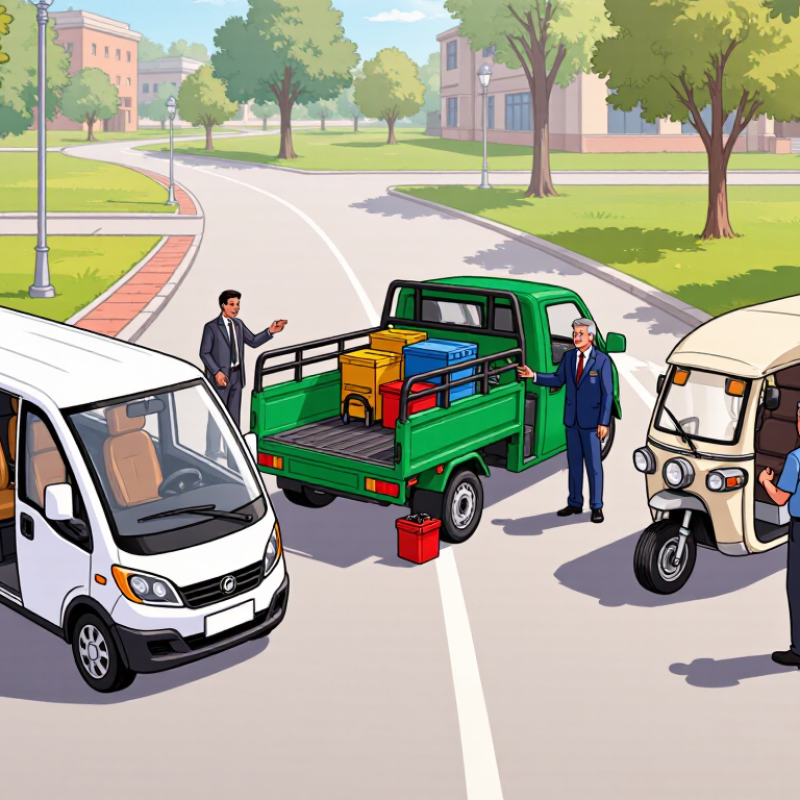
A low speed vehicle is defined by a narrow federal speed range. Under NHTSA’s FMVSS No. 500, it must travel over 20 mph but no faster than 25 mph on a paved, level surface. The same standard covers essential equipment, including headlights, taillamps, turn signals, mirrors, seat belts, and a windshield. This definition matters more than appearance. A vehicle that looks suitable but exceeds 25 mph may fall into another regulatory category.
Check the technical sheet carefully. Confirm the tested top speed, gross vehicle weight rating, braking equipment, and occupant restraints. The U.S. Department of Transportation’s traffic safety guidance repeatedly emphasizes restraint use and vehicle visibility in crash prevention. Local rules still matter, because federal classification does not decide every road-access question. A 25 mph vehicle may be practical on a mapped neighborhood route, but inconvenient near faster traffic. I would not judge it from a showroom demonstration alone.
Tips: Measure your daily route, including slopes and rough pavement. Ask for certification documents, not only sales claims. Test the mirrors and belt fit personally. A speedometer reading alone can mislead. Battery range also deserves caution; published figures often use controlled conditions. Weather, passengers, hills, and frequent stops can reduce real-world performance. Leave room for that imperfect estimate.
Choosing the right low speed vehicle starts with its battery, especially when daily range and charging time matter. Lithium-ion batteries usually provide more usable energy from the same rated capacity. They also weigh less, which can improve efficiency on hills and uneven paths. A properly sized lithium pack may deliver 40 to 70 miles per charge, depending on speed, passenger weight, terrain, and temperature. Lead-acid batteries often provide about 25 to 50 miles under similar conditions. These figures are estimates, not promises.
Charging time can change the daily experience. Lithium-ion batteries commonly need three to five hours with a suitable charger. Lead-acid batteries may require six to ten hours, and they should usually reach a full charge after each trip. Frequent deep discharges can shorten their service life. Lithium-ion systems often tolerate regular cycling better, but their higher purchase price deserves careful thought. My first range estimate was too optimistic on steep roads. Measure the route. Real conditions matter.
Tips: Ask for tested range data, not only the battery’s rated capacity. Check the charger’s output and the vehicle’s charging limits. For lead-acid models, inspect water levels and corrosion regularly. For lithium-ion models, confirm that the battery management system includes temperature and overcharge protection. Keep tire pressure correct, because soft tires quietly reduce range. A short test drive with the usual passengers may reveal more than a sales specification.
How to Choose the Right Low Speed Vehicle?
Choosing the right low speed vehicle starts with a weight worksheet, not a glossy brochure. The 3,000-pound ceiling leaves little room for casual estimates. GVWR includes the vehicle, passengers, cargo, accessories, and installed equipment. Request a verified specification sheet before comparing models. Do not trust “about” numbers.
Count your regular passengers, not the maximum seat count. A six-seat vehicle may not safely carry six adults and heavy cargo. For example, a vehicle weighing 1,900 pounds with a 2,850-pound GVWR has 950 pounds of remaining capacity. Six adults weighing 180 pounds each would exceed that allowance before tools or luggage are added. Check whether the listed curb weight includes the battery and other equipment. Specifications are not always presented consistently.
Think about real routes and daily loads. A vehicle used on a resort path may carry different weight than one serving a maintenance crew. Add coolers, carts, spare parts, weather equipment, and personal items. Small accessories accumulate quickly. Weighing the loaded vehicle can reveal uncomfortable assumptions. It may also challenge the original purchase plan. Keep a margin below the GVWR, especially when passengers vary. A short test drive with the intended load can expose weak braking, slow acceleration, or poor handling. Seats matter, but usable payload matters more.
How to Choose the Right Low Speed Vehicle?
For 25 mph road use, safety equipment should guide your vehicle choice. Confirm requirements with your local transport authority before purchasing. Rules can vary by road type, weather, and registration category. A dependable low speed vehicle usually needs seat belts for every seating position. It should also have working headlights, taillights, brake lights, turn signals, reflectors, mirrors, and a horn. A windscreen, windshield wiper, and parking brake may also be required or strongly advisable.
Inspect the braking system carefully. The pedal should feel firm, and the vehicle should stop straight on a quiet, dry road. Check tire pressure, tread depth, and visible damage. Small tires can lose grip quickly on wet pavement. A strong frame matters too. Ask for clear maintenance records, especially for brakes, steering, lights, and battery systems. Do not assume a new-looking vehicle is mechanically sound. Appearance can mislead.
Tips
Test every safety device before driving. Sit in each seat and adjust the belts. Check mirror visibility from the normal driving position. Carry a reflective warning triangle and a basic first-aid kit where local rules permit. Keep lights clean, especially after dusty or rainy trips. A bright lamp cannot fix weak brakes. I would also practice emergency stopping in a controlled area, because confidence can hide poor judgment. Recheck the vehicle after its first few road trips. Small faults often appear after regular use.
Choosing the right low speed vehicle starts with local rules, not appearance or battery range. A vehicle that fits your driveway may not fit your legal road network.
Before paying, contact your local transport authority or municipal office. Confirm the required registration class, identification documents, inspection standards, and renewal schedule. Rules can differ between neighboring districts. Do not guess. Ask for written guidance when possible. Registration may also depend on the vehicle’s maximum speed, weight, seating capacity, and intended road use.
Insurance needs equal attention. Ask whether your policy covers public roads, parking areas, passengers, and property damage. Confirm exclusions, deductibles, and coverage limits in plain language. Cheap coverage can become expensive after one accident. Road access is another practical concern. Some low speed vehicles may be restricted from expressways, major highways, steep routes, or roads with higher speed limits. Check the route to work, school, shops, and charging locations. A legal vehicle is not always a convenient one.
Keep copies of every approval and policy document. Requirements can change after purchase, which is frustrating but realistic. I would also test the vehicle on your regular route before making a final decision. Observe traffic speed, road width, signs, and safe turning spaces. A short test can expose problems that a showroom cannot.arsior
U.S. federal speed references for low-speed vehicles (LSVs)
Federal rules define an LSV as having a top speed greater than 20 mph and no more than 25 mph. Federal road-access guidance generally covers roads with posted speed limits of 35 mph or less. Registration, insurance, and road access requirements can vary by state and locality, so check local rules before buying or driving.
It should have seat belts, headlights, taillights, brake lights, turn signals, reflectors, mirrors, and a horn. A windscreen, wiper, and parking brake may also be required.
Press the brake pedal. It should feel firm. On a quiet, dry road, the vehicle should stop straight without pulling sideways. Do not rely on appearance alone.
Check tire pressure, tread depth, and visible damage. Small tires can lose grip quickly on wet pavement. Look closely.
Ask for records covering brakes, steering, lights, and battery systems. A clean-looking vehicle may still have hidden mechanical problems. Appearance can mislead.
Sit in every seat and adjust each belt. Check mirror visibility from the normal driving position. Test lights, signals, the horn, and the parking brake before driving.
Carry a reflective warning triangle and a basic first-aid kit where local rules permit. Keep them easy to reach, not buried under heavy cargo. That small detail matters.
Contact the local transport authority or municipal office before paying. Confirm registration class, documents, inspections, renewals, and permitted roads. Ask for written guidance when possible.
Ask whether coverage includes public roads, parking areas, passengers, and property damage. Check exclusions, deductibles, and coverage limits in plain language. Cheap coverage may become costly after one accident.
Test it near your work, school, shops, and charging locations. Observe traffic speed, road width, signs, steep sections, and turning space. A short route test can reveal problems. I might still miss something.
Choosing the right low speed vehicle starts with understanding its intended classification and performance. Vehicles designed to travel between 20 and 25 mph may suit neighborhoods, campuses, resorts, and other controlled environments, but buyers should confirm how local authorities define and regulate them. Battery selection is also important: lithium-ion systems often provide longer usable range, faster charging, and lower maintenance, while lead-acid batteries may offer a more economical initial cost but typically require longer charging and more frequent care.
Next, match the vehicle’s passenger capacity and payload to everyday needs, while checking that its gross vehicle weight rating remains below the applicable 3,000-pound limit. Safety equipment, such as seat belts, lighting, mirrors, reflectors, and reliable braking systems, should be evaluated carefully, especially when road use at 25 mph is expected. Finally, verify local requirements for registration, insurance, driver qualifications, and permitted roads before purchasing, since access rules can vary substantially by location.